
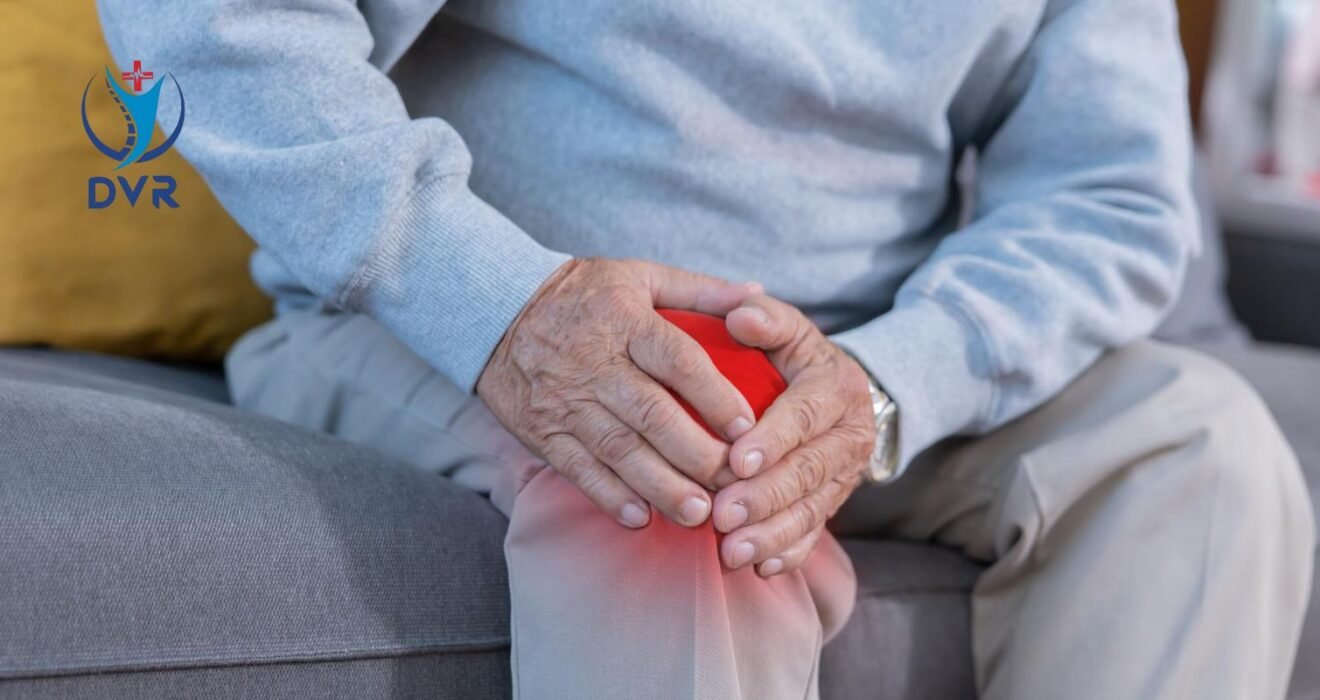
5 Early Warning Signs That You May Need Knee Replacement Surgery
Introduction
Knee pain is one of the most common musculoskeletal problems affecting adults, especially individuals above the age of 40. The knee joint plays a crucial role in maintaining body balance, supporting body weight, and allowing smooth movement during daily activities such as walking, climbing stairs, sitting, and bending. When knee pain becomes chronic and starts affecting mobility, it can significantly reduce a person’s quality of life.
Many people tend to ignore early symptoms of knee joint damage, assuming the pain will subside with rest or home remedies. However, untreated knee problems often worsen over time and may eventually lead to the need for knee replacement surgery. Early diagnosis and proper medical care, including knee pain treatment in narsingi, can help manage symptoms effectively and slow down joint deterioration.
This blog discusses five early warning signs that may indicate the need for knee replacement surgery and explains when professional medical treatment becomes necessary.
Understanding Knee Replacement Surgery
Knee replacement surgery, also known as knee arthroplasty, is a medical procedure in which damaged or worn-out portions of the knee joint are replaced with artificial implants. This surgery is typically recommended when non-surgical treatments fail to relieve pain and restore normal knee function.
The procedure helps reduce chronic pain, improves mobility, and enhances overall joint stability. However, knee replacement is usually considered a last option after conservative treatment methods have been explored. Many patients benefit from early knee pain treatment in narsingi, which may delay or eliminate the need for surgical intervention.
1. Persistent Knee Pain That Does Not Improve
One of the earliest and most noticeable signs of severe knee joint damage is persistent pain that does not improve over time. Occasional knee discomfort after intense physical activity is normal. However, pain that continues for weeks or months may indicate underlying joint problems such as cartilage degeneration, ligament injuries, or arthritis.
Persistent knee pain may initially appear during movement or physical activity but gradually progresses to discomfort even while resting. Some individuals also experience pain at night, which can disrupt sleep patterns and daily routines.
Ignoring long-term knee pain can lead to progressive joint damage. Seeking early medical evaluation and knee pain treatment in narsingi helps identify the root cause of the problem. Orthopedic specialists can recommend therapies such as medication, physiotherapy, or lifestyle changes to reduce discomfort and prevent further joint damage.
Chronic knee pain treatment in narsingi can also lead to muscle weakness around the joint, reducing stability and increasing the risk of falls or additional injuries. Early treatment plays a vital role in preserving joint strength and mobility.
2. Difficulty Performing Daily Activities
The knee joint supports most body movements. When joint damage begins to affect daily activities, it may signal serious structural problems. Many individuals initially notice difficulty walking long distances or climbing stairs. Over time, even simple activities like standing up from a chair or getting out of bed become challenging.
Loss of mobility is a significant warning sign that the knee joint is not functioning properly. Reduced physical activity caused by knee pain can lead to weight gain, which increases stress on the joint and accelerates cartilage deterioration.
Early consultation with an orthopedic specialist for knee pain treatment in narsingi can help restore knee function and improve mobility. Treatment plans may include strengthening exercises, physiotherapy sessions, and lifestyle modifications designed to reduce joint pressure and enhance flexibility.
Addressing mobility problems early prevents further joint damage and helps patients maintain independence in their daily routines.
3. Frequent Swelling and Inflammation in the Knee
Swelling and inflammation in the knee joint often indicate internal joint damage. Occasional swelling after injury or strenuous activity is normal and usually resolves with rest and ice therapy. However, recurring swelling is a warning sign of chronic joint conditions such as osteoarthritis, rheumatoid arthritis, or ligament injuries.knee pain treatment in narsingi
Inflammation typically occurs due to fluid buildup around the joint. Patients may notice warmth, tenderness, stiffness, and reduced flexibility in the knee. These symptoms often worsen after prolonged physical activity or extended periods of inactivity.
Persistent swelling can accelerate cartilage damage and joint degeneration. Seeking professional knee pain treatment in narsingi allows doctors to control inflammation through medication, physiotherapy, or injection therapies. Early treatment reduces joint pressure and helps preserve knee function.
Ignoring chronic swelling can eventually lead to severe arthritis, increasing the likelihood of requiring knee replacement surgery in the future.
4. Knee Stiffness and Reduced Range of Motion
Knee stiffness is another early warning sign that should never be ignored. Many individuals experience stiffness after waking up in the morning or after sitting for extended periods. Initially, stiffness may appear mild but gradually worsens, limiting the ability to bend or straighten the knee fully.
Reduced range of motion often indicates cartilage wear, ligament damage, or degenerative joint diseases. Patients may find it difficult to perform activities that require knee flexibility, such as squatting, kneeling, or climbing stairs.
Early medical evaluation and knee pain treatment in narsingi help improve joint flexibility and muscle strength. Physiotherapy plays a significant role in restoring movement and preventing stiffness from worsening. Doctors may also recommend joint lubrication therapies or strengthening exercises to enhance knee mobility.
Maintaining a healthy range of motion is essential for normal walking patterns and overall joint health. Delayed treatment can lead to permanent joint stiffness, increasing the chances of surgical intervention.
5. Structural Changes or Deformity in the Knee
Visible structural changes in the knee joint are serious warning signs of advanced joint damage. Knee deformities often develop when cartilage loss causes uneven pressure within the joint. Over time, this imbalance leads to misalignment, resulting in conditions such as bow legs or knock knees.
Structural deformities can affect walking posture and increase joint instability. Patients with knee deformities may experience uneven weight distribution, increasing stress on surrounding muscles and ligaments. This condition significantly raises the risk of falls and further joint injuries.
Early orthopedic evaluation and knee pain treatment in narsingi can help correct alignment issues and strengthen supporting muscles. Doctors may recommend braces, physiotherapy, or corrective therapies to prevent deformity progression.
When structural changes become severe and non-surgical treatments fail, knee replacement surgery may be necessary to restore proper alignment and joint function.
Common Causes Leading to Knee Replacement Surgery
Several medical conditions contribute to progressive knee joint damage. Understanding these causes helps patients seek timely treatment and prevent severe complications.
Osteoarthritis
Osteoarthritis is the most common cause of knee replacement surgery. It occurs due to gradual cartilage wear and tear, leading to joint pain, stiffness, and swelling.
Rheumatoid Arthritis
This autoimmune disorder causes chronic inflammation in the joints, resulting in cartilage destruction and joint deformity.
Post-Traumatic Arthritis
Injuries such as fractures, ligament tears, or cartilage damage can lead to long-term joint problems and arthritis.
knee pain treatment in narsingi
Obesity
Excess body weight increases pressure on the knee joint, accelerating cartilage deterioration and increasing the risk of joint damage.
Early diagnosis and proper knee pain treatment in narsingi can effectively manage these conditions and slow disease progression.
When Should You Consider Visiting an Orthopedic Specialist?
Many patients delay medical consultation, assuming knee pain will improve naturally. However, professional evaluation is essential if you experience symptoms such as persistent pain lasting more than three months, recurring swelling, stiffness, reduced mobility, or visible joint deformity.
Consulting a specialist for knee pain treatment in narsingi allows early diagnosis through physical examinations, imaging tests, and functional assessments. Early intervention helps prevent severe joint deterioration and improves long-term treatment outcomes.
Non-Surgical Treatments Before Knee Replacement
Not all knee problems require surgery. Many patients benefit from conservative treatment methods that relieve pain and improve joint function.
Physiotherapy
Physiotherapy strengthens muscles surrounding the knee, improves flexibility, and enhances joint stability. Regular therapy sessions help maintain mobility and reduce joint stress.
Medications
Doctors often prescribe anti-inflammatory drugs and pain relievers to manage discomfort and reduce swelling.
Lifestyle Modifications
Maintaining a healthy body weight and performing low-impact exercises such as swimming or cycling reduces pressure on the knee joint.
Injection Therapies
Lubrication injections and regenerative treatments help improve joint function and reduce inflammation.
Early knee pain treatment in narsingi often combines multiple therapies to provide effective pain relief and delay surgical requirements.
Benefits of Early Knee Pain Treatment
Seeking early medical care provides several long-term benefits. Timely diagnosis prevents rapid joint degeneration and reduces treatment costs. Patients who receive early treatment often maintain better mobility and experience improved quality of life.
Another significant advantage of early knee pain treatment in narsingi is the possibility of delaying or avoiding knee replacement surgery. Even if surgery becomes necessary later, early treatment strengthens muscles and improves recovery outcomes.
Preparing for Knee Replacement Surgery
When non-surgical treatments fail to provide relief, knee replacement surgery may become the best option. Proper preparation plays a crucial role in ensuring successful surgical outcomes.
Pre-surgery preparation typically includes physical fitness training, medical evaluations, and lifestyle adjustments. Orthopedic specialists providing knee pain treatment in narsingi guide patients through preparation and rehabilitation planning.
Mental readiness and patient education also help individuals understand surgical procedures and recovery expectations, improving overall confidence and treatment success.
Recovery and Rehabilitation After Knee Replacement
Recovery after knee replacement surgery is gradual and requires dedication to rehabilitation programs. Patients usually begin physiotherapy shortly after surgery to restore mobility and strengthen muscles.
Recovery typically involves pain management, wound care, weight-bearing exercises, and long-term rehabilitation. Individuals who previously underwent knee pain treatment in narsingi often experience smoother recovery because their joints and muscles are better conditioned.
Following medical guidance and maintaining an active rehabilitation routine ensures faster recovery and long-lasting surgical results.
Preventing Severe Knee Joint Damage
Preventive care plays a vital role in maintaining knee health and reducing the risk of surgery. Maintaining a healthy lifestyle, exercising regularly, and avoiding excessive joint strain can significantly protect knee joints.
Wearing proper footwear, maintaining correct posture, and seeking early treatment for knee injuries help prevent long-term joint damage. Regular orthopedic checkups and timely knee pain treatment in narsingi allow early detection of joint problems and improve overall knee health.
Role of Advanced Diagnostic Techniques in Knee Health
Accurate diagnosis plays a crucial role in identifying knee joint problems at an early stage. Modern orthopedic care uses advanced imaging and diagnostic techniques to determine the exact cause of knee pain treatment in narsingi. These techniques help doctors understand the extent of cartilage damage, ligament injuries, or bone deterioration.
Diagnostic procedures such as X-rays, MRI scans, and CT scans allow specialists to assess joint structure and detect early signs of arthritis or internal injuries. Early identification of these issues allows patients to receive timely knee pain treatment in narsingi, which can significantly slow joint degeneration.
Advanced diagnostics also help doctors design personalized treatment plans tailored to the patient’s condition, lifestyle, and medical history. Early and precise diagnosis reduces the chances of complications and improves overall treatment outcomes.
Importance of Physiotherapy in Managing Knee Pain
Physiotherapy is one of the most effective non-surgical approaches to managing knee pain and improving joint function. It focuses on strengthening muscles around the knee,and her solution at knee pain treatment in narsingi improving flexibility, and enhancing joint stability.
A structured physiotherapy program includes stretching exercises, strengthening routines, and balance training. These exercises help reduce pressure on the knee joint and improve mobility. Patients receiving regular knee pain treatment in narsingi often benefit from customized physiotherapy sessions that address their specific knee condition.
Physiotherapy also helps patients maintain proper posture and walking patterns, preventing further joint damage. Consistent therapy sessions improve muscle coordination and support faster recovery from injuries or joint degeneration.
Additionally, physiotherapy plays a vital role in preparing patients for knee replacement surgery and ensuring smooth post-surgical rehabilitation.
Lifestyle Changes That Support Long-Term Knee Health
Adopting a healthy lifestyle significantly contributes to maintaining knee joint health and reducing the risk of severe joint damage. Many knee problems develop due to poor lifestyle habits such as lack of physical activity, unhealthy diet, and excessive body weight.
Maintaining a balanced diet rich in calcium, vitamin D, and protein supports bone strength and joint health. Regular low-impact exercises such as swimming, cycling, and yoga improve joint flexibility and muscle strength.
Patients who follow recommended lifestyle modifications along with professional knee pain treatment in narsingi often experience long-term relief from knee discomfort. Weight management is particularly important because excess body weight increases stress on the knee joint, accelerating cartilage wear.
Avoiding activities that place excessive strain on the knees, such as heavy lifting or high-impact sports, also helps protect joint health and prevent long-term damage.
Psychological Impact of Chronic Knee Pain
Chronic knee pain not only affects physical health but also has a significant impact on mental and emotional well-being. Individuals suffering from long-term knee discomfort often experience stress, anxiety, and reduced confidence due to limited mobility and dependence on others for daily activities.
Persistent pain can lead to sleep disturbances, mood changes, and reduced participation in social or recreational activities. These emotional challenges may further reduce motivation for physical exercise, worsening joint stiffness and mobility issues.
Seeking early knee pain treatment in narsingi helps patients manage both physical and emotional challenges associated with chronic knee pain. Effective treatment restores mobility and independence, improving overall quality of life.
Healthcare providers also encourage patients to stay mentally positive, participate in physical therapy programs, and maintain social connections to support emotional well-being during recovery.
Technological Advancements in Knee Replacement Surgery
Medical technology has significantly improved knee replacement procedures, making them safer and more effective than ever before. Modern surgical techniques focus on precision, minimal tissue damage, and faster recovery times.
Computer-assisted surgery and robotic-assisted procedures allow surgeons to achieve better implant alignment and improved joint function. These advanced technologies reduce surgical complications and enhance long-term success rates.
Patients who receive early knee pain treatment in narsingi benefit from regular monitoring and timely referrals for advanced surgical options when required. Early treatment helps maintain muscle strength and joint stability, improving surgical outcomes and recovery speed.
Technological advancements also allow for customized implants designed according to individual joint structure, providing better comfort and mobility after surgery.
Importance of Post-Treatment Care and Regular Follow-Ups
Post-treatment care is essential for maintaining knee joint health and preventing recurrence of pain. Whether patients undergo non-surgical therapy or knee replacement surgery, regular follow-up consultations help monitor joint recovery and detect potential complications early.
Doctors usually recommend continued physiotherapy, strengthening exercises, and lifestyle adjustments to maintain joint stability. Patients who consistently follow post-treatment guidelines along with professional knee pain treatment in narsingi often achieve long-term pain relief and improved mobility.
Regular medical checkups allow specialists to evaluate joint function, adjust treatment plans, and ensure that recovery progresses smoothly. Ignoring follow-up care can lead to relapse of symptoms and delayed recovery.
Conclusion
Knee replacement surgery is often necessary for individuals with severe joint damage, but recognizing early warning signs can help prevent or delay surgical intervention. Persistent knee pain, reduced mobility, swelling, stiffness, and structural deformities are major indicators that require immediate medical attention.
Ignoring these symptoms can lead to progressive joint deterioration and reduced quality of life. Seeking early knee pain treatment in narsingi helps patients explore effective non-surgical treatment options and maintain joint health for longer periods.
If you or someone you know is experiencing chronic knee discomfort, consulting an orthopedic specialist at the earliest stage can make a significant difference. Early diagnosis and treatment not only protect your knee joints but also help maintain an active and pain-free lifestyle.
Contact Us
Call: 093910 29909
Follow us on – https://www.facebook.com/people/DVR-Hospital-Diagnostics/61580485479021/
Follow us on – https://www.instagram.com/dvr