

Ferritin Blood Test – What Low Levels Mean | Diagnostic Centre in Narsingi

Introduction
A ferritin blood test is one of the most important investigations used to evaluate iron levels in the body. Iron plays a crucial role in producing hemoglobin, which carries oxygen to tissues and organs. When ferritin levels drop below normal, it can indicate depleted iron stores and potentially lead to iron deficiency anemia.
If you are experiencing symptoms like fatigue, hair fall, weakness, or pale skin, doctors often recommend a ferritin test. Visiting a reliable diagnostic centre in narsingi ensures accurate results and proper guidance for further treatment. In this article, we will explore what ferritin is, why low levels occur, symptoms to watch for, and how it is managed.
What Is Ferritin?
Ferritin is a protein that stores iron inside your cells. Think of it as your body’s iron reserve bank. When your body needs iron—for example, to produce red blood cells—it draws from ferritin stores.
The ferritin blood test measures how much iron is stored in your body. Unlike a simple serum iron test, ferritin gives a clearer picture of your long-term iron status.
Normal ferritin levels typically range:
- Men: 24–336 ng/mL
- Women: 11–307 ng/mL
However, reference ranges may vary slightly depending on the laboratory. That’s why testing at a certified diagnostic centre in narsingi is important for precise interpretation.
What Do Low Ferritin Levels Mean?
Low ferritin levels usually indicate that your body’s iron stores are depleted. This condition is often associated with iron deficiency anemia, but low ferritin can occur even before anemia develops.
When ferritin drops:
- The body struggles to produce enough healthy red blood cells.
- Oxygen delivery to tissues becomes inefficient.
- You begin to feel persistent tiredness and weakness.
Common causes of low ferritin include:
- Poor dietary iron intake
- Chronic blood loss (heavy menstrual cycles, ulcers)
- Pregnancy
- Gastrointestinal disorders affecting iron absorption
- Frequent blood donation
Getting tested at a trusted diagnostic centre in narsingi helps detect low ferritin early before it progresses to severe anemia.
Symptoms of Low Ferritin
Low ferritin levels can produce subtle symptoms at first. Over time, they may become more noticeable.
Common symptoms include:
- Constant fatigue
- Shortness of breath
- Dizziness
- Pale skin
- Brittle nails
- Hair thinning or hair loss
- Cold hands and feet
- Headaches
In severe cases, individuals may experience chest pain or irregular heartbeat due to reduced oxygen supply.
If you notice these signs, consult your doctor and consider scheduling a ferritin test at a reputable diagnostic centre in narsingi for early detection.
Who Should Get a Ferritin Test?
Doctors usually recommend ferritin testing for:
- Individuals with symptoms of anemia
- Women with heavy menstrual bleeding
- Pregnant women
- People with chronic diseases
- Vegetarians or vegans with low iron intake
- Patients with unexplained fatigue
Routine testing at a professional diagnostic centre in narsingi ensures that iron deficiency is diagnosed accurately and managed effectively.
How Is the Ferritin Test Performed?
The ferritin test is simple and quick:
- A healthcare professional collects a small blood sample from your vein.
- The sample is sent to a laboratory for analysis.
- Results are typically available within 24 hours.
No major preparation is required, although your doctor may ask you to fast for a few hours. Choosing a well-equipped diagnostic centre in narsingi ensures precise laboratory processing and reliable reporting.
Treatment for Low Ferritin Levels
Treatment depends on the severity and underlying cause. Common approaches include:
1. Iron Supplements
Doctors often prescribe oral iron tablets. These help replenish iron stores over several weeks.
2. Dietary Changes
Include iron-rich foods such as:
- Spinach
- Red meat
- Lentils
- Beans
- Fortified cereals
Pairing iron-rich foods with vitamin C improves absorption.
3. Treating the Underlying Cause
If blood loss or a digestive disorder is responsible, addressing the root cause is essential.
Regular follow-up tests at a reliable diagnostic centre in narsingi help monitor improvement and ensure ferritin levels return to normal.
Risks of Ignoring Low Ferritin
Untreated low ferritin may lead to:
- Severe anemia
- Reduced immunity
- Complications during pregnancy
- Poor concentration and cognitive function
- Delayed growth in children
Early detection through testing at a recognized diagnostic centre in narsingi can prevent long-term complications.
Ferritin vs. Hemoglobin: What’s the Difference?
Many people confuse ferritin and hemoglobin tests. While both relate to iron:
- Ferritin measures stored iron.
- Hemoglobin measures oxygen-carrying capacity in blood.
Ferritin levels usually drop before hemoglobin levels decline. This makes ferritin testing essential for early diagnosis.
Maintaining Healthy Iron Levels
To prevent low ferritin:
- Eat a balanced diet rich in iron
- Avoid excessive tea or coffee with meals (reduces iron absorption)
- Take supplements only as prescribed
- Get regular blood tests if at risk
Preventive screening at a dependable diagnostic centre in narsingi ensures your iron stores remain within healthy limits.
Ferritin Blood Test – Causes, Diagnosis & When to Worry About Low Levels
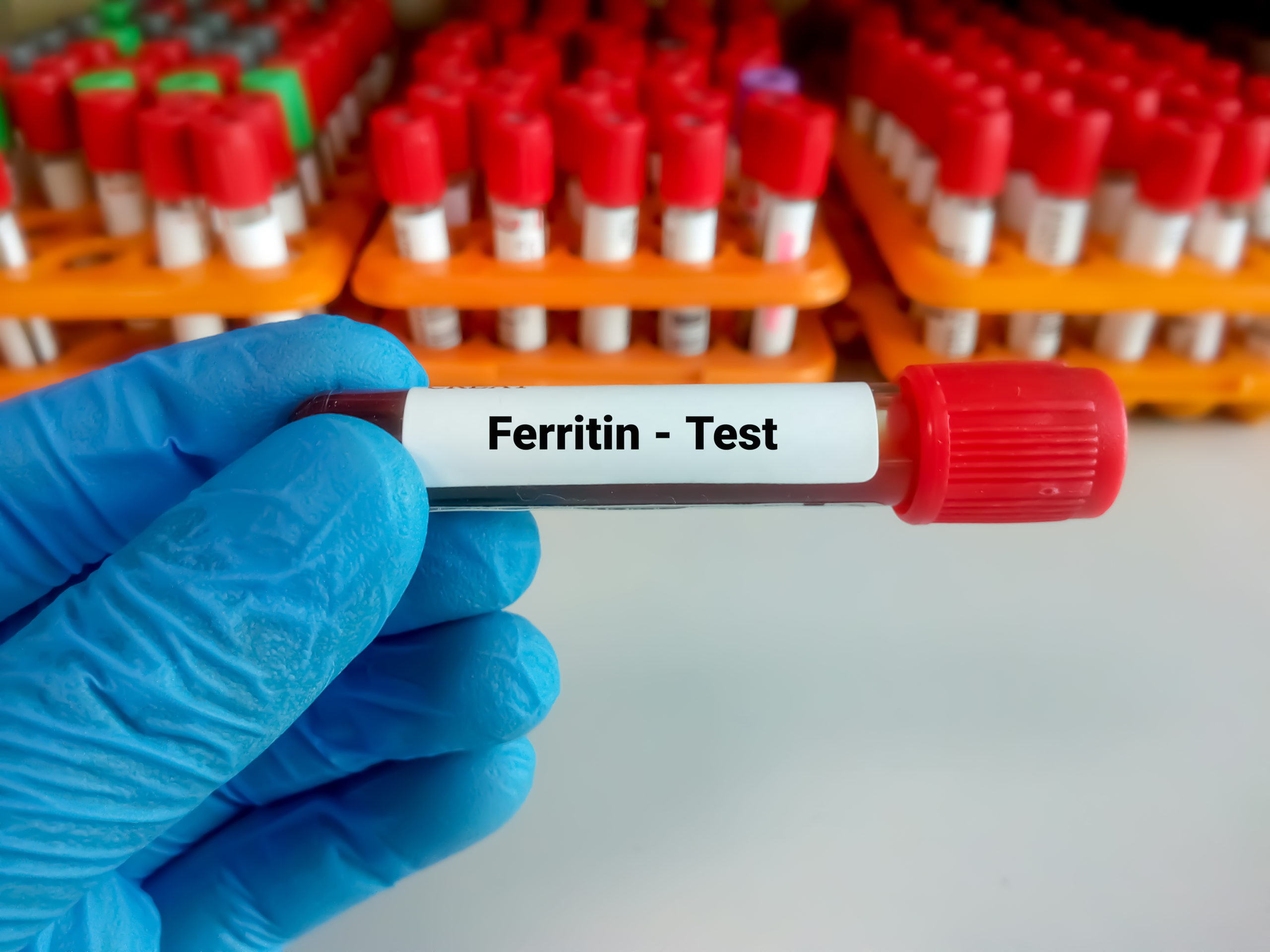
Iron is essential for life. It supports oxygen transport, energy production, and overall vitality. A ferritin blood test helps determine how much iron your body has stored. When ferritin levels are low, it signals depleted iron reserves, which may eventually lead to anemia if left untreated.
Many people ignore early symptoms such as tiredness or hair fall, assuming they are due to stress or lifestyle factors. However, testing at a trusted diagnostic centre in narsingi can help identify iron deficiency early and prevent complications. In this article, we’ll explore the causes of low ferritin, how it is diagnosed, who is at risk, and when you should seek medical attention.
Understanding Ferritin and Its Role
Ferritin is a protein that stores iron inside your cells. When your body needs iron—for producing hemoglobin or supporting muscle and organ function—it draws from ferritin stores.
Unlike serum iron levels that fluctuate daily, ferritin reflects long-term iron storage. This makes it one of the most reliable markers for detecting early iron deficiency. Accurate evaluation at a certified diagnostic centre in narsingi ensures precise results and correct interpretation.
What Causes Low Ferritin Levels?
Low ferritin levels occur when the body either loses iron or fails to absorb enough from the diet. Below are the most common causes:
1. Inadequate Iron Intake
People who consume limited iron-rich foods—especially vegetarians without proper planning—may develop low ferritin over time.
2. Blood Loss
Chronic blood loss is one of the leading causes. This includes:
- Heavy menstrual periods
- Gastrointestinal bleeding
- Frequent blood donation
- Post-surgical blood loss
3. Pregnancy
During pregnancy, iron demand increases significantly to support fetal growth.
4. Poor Iron Absorption
Conditions such as celiac disease, inflammatory bowel disorders, or certain gastric surgeries can reduce iron absorption.
Early screening at a reputable diagnostic centre in narsingi can help identify the root cause and guide proper treatment.
Signs and Symptoms of Low Ferritin
Low ferritin often develops gradually. Common warning signs include:
- Persistent fatigue
- Weakness
- Pale skin
- Hair thinning or excessive hair fall
- Shortness of breath
- Cold extremities
- Difficulty concentrating
- Frequent headaches
In severe cases, it may lead to iron deficiency anemia, causing more pronounced symptoms.
If you notice these issues, visiting a reliable diagnostic centre in narsingi for testing can provide clarity and prevent worsening health problems.
How Is Low Ferritin Diagnosed?
The ferritin test is a simple blood test. A small blood sample is drawn and analyzed in a laboratory. Results are usually available within a day.
Doctors may also recommend additional tests such as:
- Complete Blood Count (CBC)
- Serum iron
- Total Iron Binding Capacity (TIBC)
- Transferrin saturation
Comprehensive testing at a well-equipped diagnostic centre in narsingi ensures accurate diagnosis and a complete understanding of your iron status.
When Should You Be Concerned?
You should consider testing if:
- You experience ongoing fatigue without explanation
- You have heavy menstrual bleeding
- You are pregnant
- You have chronic digestive issues
- You are recovering from surgery
- You follow a strict vegetarian or vegan diet
Even if symptoms seem mild, early testing at a dependable diagnostic centre in narsingi can detect deficiencies before complications arise.
Treatment Options for Low Ferritin
Treatment depends on severity and underlying cause:
Iron Supplements
Oral iron supplements are commonly prescribed. These should be taken as directed to avoid side effects like constipation or stomach upset.
Dietary Improvements
Incorporate iron-rich foods such as:
- Red meat
- Spinach
- Lentils
- Chickpeas
- Pumpkin seeds
- Fortified cereals
Vitamin C-rich foods like oranges or lemon juice improve iron absorption.
Treating Underlying Conditions
If low ferritin is due to gastrointestinal disorders or blood loss, addressing the root cause is crucial.
Follow-up tests at a trusted diagnostic centre in narsingi help track recovery and ensure iron stores return to normal levels.
Preventing Low Ferritin
Preventive measures include:
- Maintaining a balanced diet
- Avoiding excessive tea or coffee with meals
- Getting routine health checkups
- Monitoring iron levels during pregnancy
- Consulting a doctor before long-term supplementation
Regular health screening at a certified diagnostic centre in narsingi can help you stay proactive about your iron health.
Why Early Detection Matters
Iron deficiency can impact:
- Work performance
- Immune function
- Cognitive abilities
- Pregnancy outcomes
- Child development
Since ferritin levels drop before hemoglobin decreases, early testing allows intervention before anemia develops. That’s why choosing a reliable diagnostic centre in narsingi plays a key role in maintaining overall well-being.
Ferritin Blood Test – Importance, Preparation & Managing Low Iron Levels

Iron is a vital mineral that supports oxygen transport, muscle function, and energy production. One of the most reliable ways to measure your body’s stored iron is through a ferritin blood test. Low ferritin levels often indicate iron deficiency, which can gradually affect your overall health and daily performance.
Many individuals overlook early signs such as fatigue or hair thinning. However, timely testing at a trusted diagnostic centre in narsingi can help detect low iron stores before complications arise. In this article, we’ll discuss why ferritin testing is important, how to prepare for it, what low levels mean, and how to manage iron deficiency effectively.
Why Is the Ferritin Blood Test Important?
Ferritin is a protein that stores iron inside cells. When your body needs iron—for producing hemoglobin or supporting metabolism—it draws from ferritin reserves.
The ferritin test is crucial because:
- It detects iron deficiency early
- It helps diagnose anemia
- It monitors chronic health conditions
- It evaluates unexplained fatigue
Unlike serum iron tests that fluctuate daily, ferritin reflects long-term iron storage. Getting tested at a certified diagnostic centre in narsingi ensures accurate assessment and proper medical interpretation.
What Do Low Ferritin Levels Indicate?
Low ferritin levels usually mean your body’s iron reserves are depleted. This can happen even before hemoglobin levels drop.
Common reasons for low ferritin include:
- Poor dietary intake of iron
- Heavy menstrual bleeding
- Gastrointestinal bleeding
- Pregnancy-related increased demand
- Chronic digestive disorders
- Frequent blood donation
If not treated, low ferritin may lead to iron deficiency anemia, causing more severe symptoms. Early screening at a reliable diagnostic centre in narsingi helps prevent progression.
Symptoms of Low Ferritin
Low ferritin often develops gradually. Many people attribute symptoms to stress or busy schedules.
Watch for these signs:
- Constant tiredness
- Weakness
- Pale skin
- Shortness of breath
- Dizziness
- Cold hands and feet
- Hair loss
- Brittle nails
- Difficulty concentrating
If you experience these symptoms, consider visiting a professional diagnostic centre in narsingi for a ferritin evaluation.
How to Prepare for a Ferritin Test
The ferritin test is simple and requires minimal preparation.
Here’s what you should know:
- A blood sample is collected from a vein in your arm.
- Fasting is usually not required, but your doctor may advise it in some cases.
- Inform your doctor about any iron supplements you are taking.
Testing at a well-equipped diagnostic centre in narsingi ensures proper sample handling and quick reporting.
Understanding Your Ferritin Results
Ferritin levels vary based on age and gender. Generally:
- Men: 24–336 ng/mL
- Women: 11–307 ng/mL
Levels below the normal range suggest depleted iron stores. However, interpretation should always be done by a healthcare professional, as ferritin can also rise during infections or inflammation.
Accurate reporting from a reputable diagnostic centre in narsingi supports correct diagnosis and treatment planning.
Treatment for Low Ferritin
Treatment depends on severity and underlying cause.
1. Iron Supplements
Doctors often prescribe oral iron tablets to replenish stores. These should be taken as directed to avoid side effects.
2. Iron-Rich Diet
Incorporate foods such as:
- Spinach
- Lentils
- Red meat
- Beans
- Pumpkin seeds
- Fortified cereals
Pairing iron-rich foods with vitamin C improves absorption.
3. Addressing Underlying Issues
If low ferritin is due to chronic blood loss or digestive conditions, treating the root cause is essential.
Follow-up testing at a trusted diagnostic centre in narsingi ensures that treatment is working effectively.
Who Is at Higher Risk?
Certain groups are more prone to low ferritin:
- Women with heavy menstrual cycles
- Pregnant women
- Children and adolescents during growth spurts
- Vegetarians and vegans
- People with chronic gastrointestinal disorders
- Individuals recovering from surgery
Routine screening at a dependable diagnostic centre in narsingi can help these groups monitor their iron levels regularly.
Why Early Detection Matters
Ignoring low ferritin can result in:
- Severe anemia
- Reduced immunity
- Poor work performance
- Pregnancy complications
- Delayed growth in children
Since ferritin levels drop before hemoglobin decreases, early testing offers a valuable opportunity to intervene before serious health issues develop. Choosing a reliable diagnostic centre in narsingi supports timely detection and care.
Tips to Maintain Healthy Ferritin Levels
- Maintain a balanced, iron-rich diet
- Avoid excessive tea or coffee during meals
- Take supplements only as prescribed
- Monitor iron levels during pregnancy
- Get regular health checkups
Preventive screening at a certified diagnostic centre in narsingi plays an important role in long-term health management.
Ferritin Blood Test – Early Warning Signs, Risks & Recovery from Low Levels
Fatigue that doesn’t improve with rest, unexplained hair fall, or frequent dizziness could be more than everyday stress. These symptoms may point toward low iron stores in the body. A ferritin blood test helps measure stored iron and detect deficiencies early—often before anemia develops.
Early diagnosis plays a key role in preventing complications. Getting tested at a reliable diagnostic centre in narsingi ensures accurate reporting and proper medical guidance. In this article, we will explore early warning signs of low ferritin, associated health risks, and how to recover safely and effectively.
What Is Ferritin and Why It Matters?
Ferritin is a protein responsible for storing iron in your cells. Iron is essential for producing hemoglobin, which carries oxygen throughout your body. When ferritin levels are low, it means your iron reserves are running out.
Unlike routine iron tests, ferritin testing provides insight into long-term iron storage. Visiting a certified diagnostic centre in narsingi for this test can help identify deficiencies even before symptoms become severe.
Early Warning Signs of Low Ferritin
Low ferritin levels often develop gradually. Many people dismiss the initial symptoms, delaying diagnosis.
Common early signs include:
- Persistent tiredness
- Reduced stamina
- Difficulty concentrating
- Mild hair thinning
- Pale skin
- Headaches
As levels drop further, symptoms may worsen to include shortness of breath, heart palpitations, and significant weakness.
If you notice these signs, consider scheduling a ferritin test at a trusted diagnostic centre in narsingi to rule out iron deficiency.
Health Risks of Ignoring Low Ferritin
Ignoring low ferritin can lead to serious health complications over time. These may include:
1. Iron Deficiency Anemia
When iron stores are severely depleted, the body cannot produce enough healthy red blood cells.
2. Weakened Immunity
Low iron can impair immune function, making you more prone to infections.
3. Pregnancy Complications
Iron deficiency during pregnancy increases the risk of premature birth and low birth weight.
4. Poor Cognitive Function
Children and adults may experience difficulty concentrating and reduced productivity.
Routine screening at a dependable diagnostic centre in narsingi can help prevent these long-term risks.
Causes Behind Low Ferritin Levels
Understanding the underlying cause is essential for effective treatment. Common causes include:
- Heavy menstrual bleeding
- Gastrointestinal bleeding
- Poor dietary intake
- Malabsorption disorders
- Pregnancy
- Chronic illnesses
Comprehensive testing at a professional diagnostic centre in narsingi may include additional blood work to determine the root cause.
How the Ferritin Test Is Done
The procedure is simple:
- A small blood sample is collected from a vein.
- The sample is analyzed in a laboratory.
- Results are usually available within 24 hours.
Minimal preparation is required. Accurate processing at a reliable diagnostic centre in narsingi ensures trustworthy results.
Recovery from Low Ferritin
Recovery depends on severity and the cause of deficiency.
Iron Supplements
Doctors often prescribe oral iron tablets. It’s important to follow dosage instructions carefully.
Dietary Improvements
Add iron-rich foods such as:
- Spinach
- Red meat
- Lentils
- Beans
- Pumpkin seeds
- Fortified cereals
Combining iron-rich foods with vitamin C enhances absorption.
Treating Underlying Conditions
If blood loss or digestive disorders are involved, medical management is essential.
Regular follow-up testing at a trusted diagnostic centre in narsingi helps monitor improvement and adjust treatment as needed.
How Long Does It Take to Improve?
Iron levels don’t normalize overnight. Most people start feeling better within a few weeks of treatment, but restoring ferritin stores may take 2–3 months or longer.
Doctors typically recommend repeat testing to confirm improvement. Scheduling follow-up visits at a certified diagnostic centre in narsingi ensures proper tracking of recovery.
Who Should Monitor Ferritin Regularly?
Regular monitoring is recommended for:
- Women with heavy periods
- Pregnant women
- Individuals with chronic digestive disorders
- Vegetarians and vegans
- Frequent blood donors
- Patients recovering from major surgery
Preventive testing at a dependable diagnostic centre in narsingi supports long-term health management.
Preventing Future Iron Deficiency
To maintain healthy ferritin levels:
- Eat a balanced diet rich in iron
- Avoid excessive tea or coffee during meals
- Take supplements only under medical supervision
- Get routine health checkups
- Monitor iron levels during pregnancy
Early screening at a reliable diagnostic centre in narsingi can help you stay proactive and prevent recurrence.
Conclusion
Low ferritin levels are often an early warning sign of iron deficiency. While symptoms may initially appear mild, untreated deficiency can affect energy, immunity, and overall quality of life. The good news is that with early diagnosis, proper treatment, and regular monitoring, recovery is highly achievable.
If you are experiencing ongoing fatigue or belong to a high-risk group, consider booking a ferritin test at a trusted diagnostic centre in narsingi. Timely action can safeguard your health and restore your vitality.
Contact Us:
Call us on : 093910 29909
Follow Us On Instagram : https://www.instagram.com/dvrhospital/
Follow Us On Facebook : https://www.facebook.com/people/DVR-Hospital-Diagnostics/61580485479021