
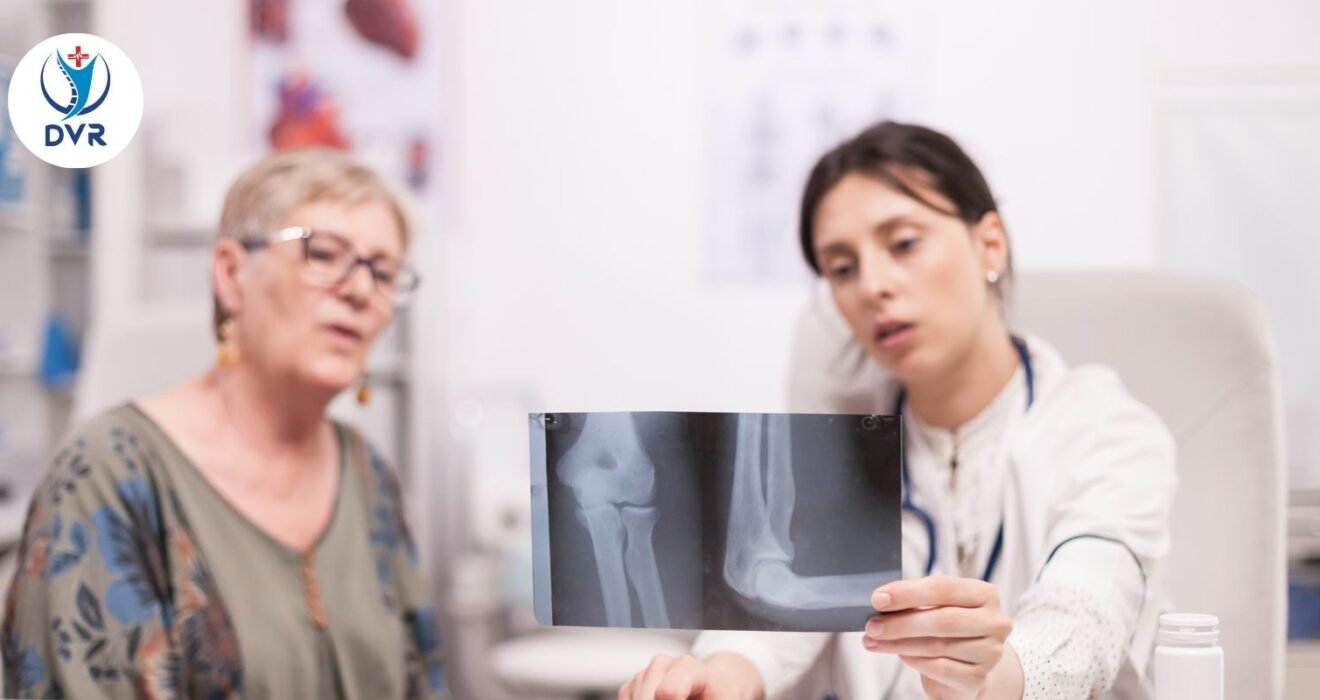
Bone Density Test for Knee Joint Problems: Why Early Diagnosis Matters
Knee joint pain has become increasingly common among people of all ages. From athletes and working professionals to elderly individuals, many experience knee discomfort due to lifestyle habits, injuries, aging, or underlying medical conditions. While many people associate bone density tests mainly with osteoporosis or spine health, this diagnostic method also plays an important role in evaluating knee joint problems.
Understanding bone strength around the knee joint helps doctors identify conditions early and guide appropriate treatment plans. If you are experiencing persistent knee pain, stiffness, or difficulty walking, consulting a diagnostic centre in narsingi for a bone density evaluation can be a crucial step toward protecting your joint health.
This guide explains how bone density tests help identify knee joint problems, when you should consider the test, and why choosing a reliable diagnostic centre in narsingi ensures accurate results and better medical guidance.
Understanding Bone Density and Its Role in Knee Health
Bone density refers to the amount of minerals, primarily calcium and phosphorus, present in your bones. Higher bone density usually indicates stronger bones, while lower bone density means bones may be weaker and more susceptible to fractures or degeneration. A bone density test at a diagnostic centre in narsingi can help determine the strength of your bones and detect early signs of bone loss.
The knee joint is one of the most important weight-bearing joints in the body. It connects the femur (thigh bone), tibia (shin bone), and patella (kneecap). When bone density decreases in these areas, the knee joint becomes vulnerable to several conditions that can be evaluated through screening at a diagnostic centre in narsingi, including:
- Stress fractures
- Joint degeneration
- Osteoarthritis progression
- Bone thinning and weakness
A bone density test helps determine whether the bones surrounding the knee joint are strong enough to support daily movement and physical activity. Many people visit a diagnostic centre in narsingi to undergo this test when they experience chronic knee pain or when doctors suspect bone weakness.
What Is a Bone Density Test?
A bone density test, commonly called a DEXA (Dual-Energy X-ray Absorptiometry) scan, is a non-invasive diagnostic procedure used to measure bone mineral density (BMD). It provides detailed information about bone strength and the risk of fractures.
The test uses low-dose X-rays to analyze bone composition. Although it is commonly performed on the spine and hip, it can also provide insights into overall skeletal health, which directly affects knee stability and function.
At a modern diagnostic centre in narsingi, bone density testing is performed using advanced imaging technology that delivers precise and quick results. The procedure usually takes about 10–20 minutes and does not require any special preparation.
How Bone Density Affects Knee Joint Problems
Bone density is closely linked with joint health. When bones lose density, they become fragile and may not support joint structures effectively. This can lead to several knee-related issues.
1. Osteoarthritis Progression
Osteoarthritis is one of the most common causes of knee pain. Reduced bone density may accelerate joint degeneration and cartilage wear.
2. Increased Risk of Fractures
Weak bones around the knee joint increase the likelihood of fractures, especially during falls or sudden movements.
3. Stress Injuries
Athletes and physically active individuals sometimes develop stress fractures in the knee area when bone strength is compromised.
4. Post-menopausal Bone Loss
Women after menopause often experience a decline in bone density, which can affect knee joint stability.
Early detection at a reliable diagnostic centre in narsingi allows doctors to recommend treatments that prevent severe joint damage.
Symptoms That May Indicate Bone-Related Knee Problems
Many people ignore early warning signs until the pain becomes severe. However, recognizing symptoms early can help prevent long-term complications.
Common signs include:
- Persistent knee pain during movement
- Stiffness or reduced joint flexibility
- Swelling around the knee joint
- Difficulty climbing stairs
- Cracking or popping sounds in the knee
- Frequent joint discomfort after physical activity
If these symptoms continue for weeks, visiting a diagnostic centre in narsingi for a bone density evaluation can help identify the underlying cause.
Who Should Consider a Bone Density Test for Knee Issues?
Not everyone requires a bone density test, but certain individuals have a higher risk of bone weakness.
People Who May Benefit from the Test
- Individuals above the age of 50
- Post-menopausal women
- People with a family history of osteoporosis
- Athletes experiencing repeated knee injuries
- Patients with chronic knee pain
- Individuals with vitamin D or calcium deficiency
- People undergoing long-term steroid medication
Doctors often recommend visiting a trusted diagnostic centre in narsingi when these risk factors are present, as early screening helps detect bone health issues before they worsen.
How the Bone Density Test Procedure Works
The process is simple, painless, and quick.
Step 1: Registration and Preparation
At the diagnostic centre in narsingi, patients are usually asked about their medical history, medications, and previous injuries.
Step 2: Positioning for the Scan
The patient lies comfortably on a scanning table while the machine moves slowly over the body to measure bone density.
Step 3: Imaging and Measurement
The scanner sends low-dose X-rays through the bones to determine mineral density levels.
Step 4: Result Analysis
Specialized software analyzes the scan and produces a report indicating bone density scores.
Doctors then interpret the results and recommend appropriate treatments or lifestyle adjustments.
Understanding Bone Density Test Results
Bone density results are usually expressed in two scores: T-score and Z-score.
T-Score
This compares your bone density to that of a healthy young adult.
- Normal: Above −1
- Low Bone Density (Osteopenia): Between −1 and −2.5
- Osteoporosis: Below −2.5
Z-Score
This compares your bone density to individuals of the same age and gender.
Receiving accurate results from a well-equipped diagnostic centre in narsingi ensures that your doctor can make informed decisions about your knee health and overall bone strength.
Benefits of Early Bone Density Testing for Knee Problems
Early screening offers several advantages that can significantly improve long-term joint health.
1. Early Detection of Bone Loss
Identifying bone density decline early allows preventive measures before fractures occur.
2. Better Treatment Planning
Doctors can recommend medications, supplements, or therapies based on the test results.
3. Preventing Severe Joint Damage
Monitoring bone health reduces the risk of serious knee conditions and surgeries.
4. Improved Mobility and Quality of Life
Maintaining strong bones supports better movement and reduces pain.
Regular testing at a reliable diagnostic centre in narsingi helps track bone health and ensures timely medical intervention.
Lifestyle Tips to Improve Bone Health and Protect Knee Joints
In addition to medical diagnosis, lifestyle changes play a major role in maintaining strong bones and healthy joints.
Maintain a Balanced Diet
Include calcium-rich foods such as:
- Milk and dairy products
- Leafy green vegetables
- Almonds and seeds
- Fish like salmon and sardines
Get Enough Vitamin D
Vitamin D helps the body absorb calcium effectively. Sunlight exposure and supplements may help maintain adequate levels.
Regular Exercise
Weight-bearing exercises strengthen bones and improve joint flexibility. Activities such as walking, yoga, and strength training are beneficial.
Maintain a Healthy Weight
Excess body weight places additional pressure on the knee joints, increasing the risk of joint damage.
Avoid Smoking and Excess Alcohol
Both habits can reduce bone density over time.
Along with these healthy habits, regular screening at a trusted diagnostic centre in narsingi ensures that any bone-related issue is identified early.
Importance of Choosing a Reliable Diagnostic Facility
Accurate diagnosis is essential for effective treatment. Selecting the right facility ensures reliable test results and professional medical guidance.
A well-equipped diagnostic centre in narsingi typically offers:
- Advanced bone density scanning equipment
- Experienced radiologists and technicians
- Quick and accurate reporting
- Comfortable and patient-friendly services
These factors help ensure that patients receive high-quality diagnostic care and proper evaluation of knee joint problems.
When Should You Consult a Doctor?
If knee pain persists despite rest or basic treatment, medical evaluation becomes necessary. Consult a healthcare professional if you experience:
- Sudden severe knee pain
- Swelling that does not reduce
- Difficulty bearing weight on the knee
- Frequent knee injuries
- Persistent joint stiffness
Doctors may recommend imaging tests, including bone density scans, to determine the exact cause of the problem.
Visiting a trusted diagnostic centre in narsingi for these tests allows healthcare providers to assess bone health accurately and guide appropriate treatment.
The Connection Between Bone Density and Overall Joint Health
Bone density is not only important for preventing fractures but also for maintaining healthy joints throughout life. Strong bones support cartilage, ligaments, and muscles that stabilize the knee joint.
When bone density declines, joint alignment and movement may be affected, increasing the risk of pain and mobility issues. Early diagnosis and proper medical care can help maintain both bone strength and joint stability.
Regular screenings, balanced nutrition, physical activity, and professional medical consultation together form the foundation for long-term bone and joint health.
MRI Scan for Knee Pain: A Complete Guide to Accurate Diagnosis and Joint Health
Knee pain is one of the most common musculoskeletal problems affecting people of all age groups. Whether it is caused by sports injuries, aging, arthritis, or sudden trauma, knee discomfort can significantly affect mobility and daily activities. When pain persists or worsens, doctors often recommend advanced imaging tests to identify the exact cause. Visiting a diagnostic centre in narsingi for proper evaluation can help determine the problem early. One of the most reliable diagnostic tools for evaluating knee problems is an MRI scan, which is commonly available at a trusted diagnostic centre in narsingi.
Magnetic Resonance Imaging (MRI) provides detailed images of bones, cartilage, ligaments, tendons, and soft tissues within the knee joint. This level of precision helps doctors detect conditions that cannot be identified through basic X-rays. Many patients experiencing chronic knee pain visit a diagnostic centre in narsingi for MRI scans to receive accurate diagnoses and effective treatment recommendations.
Understanding how MRI scans work and when they are needed can help individuals make informed decisions about their joint health and medical care.
Understanding the Structure of the Knee Joint
The knee is the largest joint in the human body and plays a critical role in movement and stability. It connects the femur (thigh bone) to the tibia (shin bone) and includes several supporting structures that allow smooth motion.
Key components of the knee joint include:
- Cartilage – Cushions the bones and reduces friction
- Ligaments – Provide stability and connect bones
- Tendons – Attach muscles to bones
- Meniscus – Shock-absorbing cartilage between bones
- Synovial fluid – Lubricates the joint
Any injury or damage to these structures can cause pain, swelling, or restricted movement. An MRI scan performed at a reliable diagnostic centre in narsingi allows doctors to examine these components in detail.
What Is an MRI Scan?
An MRI scan is a medical imaging technique that uses strong magnetic fields and radio waves to create detailed images of internal body structures. Unlike X-rays or CT scans, MRI does not use ionizing radiation, making it a safe option for many patients.
MRI scans are particularly useful for evaluating soft tissues, which are often difficult to examine using other imaging methods. For knee problems, MRI helps detect:
- Ligament tears
- Meniscus injuries
- Cartilage damage
- Tendon inflammation
- Joint swelling
- Bone marrow abnormalities
Modern equipment available at a diagnostic centre in narsingi ensures high-resolution imaging that helps doctors make accurate medical decisions.
Why MRI Is Important for Diagnosing Knee Problems
Many knee conditions involve soft tissues rather than bones. While X-rays are useful for detecting fractures, they cannot clearly show ligaments, cartilage, or muscles.
MRI scans provide several advantages:
Detailed Soft Tissue Imaging
MRI can clearly visualize ligaments, tendons, cartilage, and muscles surrounding the knee.
Early Detection of Injuries
Minor tears or early-stage conditions can be identified before they worsen.
Accurate Treatment Planning
Doctors can determine whether the condition requires medication, physiotherapy, or surgery.
Non-Invasive and Painless
MRI scans do not require surgical procedures or injections in most cases.
Patients seeking advanced imaging often choose a trusted diagnostic centre in narsingi because of the accuracy and reliability of modern MRI technology.
Common Knee Conditions Detected by MRI
MRI scans help diagnose a wide range of knee-related problems. Early detection of these conditions allows timely treatment and reduces the risk of complications.
Ligament Injuries
The knee contains four main ligaments that provide stability. Sports injuries or sudden twisting movements can cause ligament tears.
Common ligament injuries include:
- ACL (Anterior Cruciate Ligament) tear
- PCL (Posterior Cruciate Ligament) injury
- MCL (Medial Collateral Ligament) damage
- LCL (Lateral Collateral Ligament) injury
MRI scans at a diagnostic centre in narsingi can identify the severity of these injuries and help determine the appropriate treatment.
Meniscus Tears
The meniscus acts as a shock absorber between the thigh bone and shin bone. Sudden twisting motions, sports injuries, or aging can lead to meniscus tears.
Symptoms may include:
- Knee locking
- Swelling
- Difficulty bending the knee
- Pain during movement
MRI imaging helps doctors confirm the tear and evaluate whether surgery or physiotherapy is required.
Cartilage Damage
Cartilage protects the bones from friction during movement. Damage to cartilage can cause pain, stiffness, and reduced mobility.
MRI scans help detect cartilage wear and degeneration that may lead to osteoarthritis.
Tendon Injuries
Tendons connect muscles to bones and help facilitate joint movement. Inflammation or tears in the patellar tendon can cause significant knee discomfort.
MRI imaging at a diagnostic centre in narsingi helps evaluate the extent of tendon damage.
Symptoms That May Require an MRI Scan
Doctors usually recommend an MRI scan when knee symptoms persist or when initial tests do not provide clear answers.
Common symptoms include:
- Persistent knee pain
- Swelling around the joint
- Limited range of motion
- Knee instability or weakness
- Difficulty walking or climbing stairs
- Popping or locking sensation in the knee
When these symptoms interfere with daily activities, visiting a diagnostic centre in narsingi for an MRI scan can help identify the root cause.
How the MRI Procedure Works
MRI scans at a diagnostic centre in narsingi are straightforward and typically take 20–40 minutes, depending on the complexity of the imaging required.
Step 1: Preparation
Patients may be asked to remove metal objects such as jewelry, watches, or belts before entering the MRI room.
Step 2: Positioning
The patient lies on a movable table that slides into the MRI machine. For knee imaging, the knee area is carefully positioned to obtain accurate images.
Step 3: Imaging Process
The machine uses magnetic fields and radio waves to generate detailed images of the knee joint. During the scan, patients need to remain still to ensure clear imaging.
Step 4: Image Analysis
Radiologists analyze the images and prepare a detailed report for the referring doctor.
Advanced technology available at a modern diagnostic centre in narsingi ensures high-quality imaging and precise results.
Preparing for an MRI Scan
MRI scans generally require minimal preparation, but following certain guidelines can help ensure a smooth experience.
Inform Your Doctor About Medical Conditions
Patients should inform doctors about:
- Pregnancy
- Implanted medical devices
- Pacemakers
- Metal implants or surgical clips
Wear Comfortable Clothing
Loose clothing without metal parts is recommended during the scan.
Follow Instructions from the Diagnostic Center
Technicians at the diagnostic centre in narsingi provide clear instructions before the procedure to ensure patient safety and comfort.
Benefits of Early MRI Diagnosis for Knee Problems
Early diagnosis through MRI scans offers several advantages that help prevent long-term complications.
Accurate Identification of Injuries
MRI provides detailed images that help doctors identify the exact location and severity of injuries.
Preventing Further Damage
Detecting problems early allows patients to receive timely treatment and avoid worsening conditions.
Better Treatment Outcomes
Accurate diagnosis helps doctors design effective treatment plans tailored to each patient’s needs.
Improved Mobility and Recovery
Early intervention can reduce pain, improve mobility, and shorten recovery time.
Patients who undergo imaging at a reliable diagnostic centre in narsingi benefit from advanced technology and expert interpretation of results.
Lifestyle Tips to Protect Knee Joint Health
While medical imaging plays an important role in diagnosis, maintaining healthy lifestyle habits can help prevent knee problems.
Maintain a Healthy Weight
Excess weight places additional stress on the knee joints, increasing the risk of injuries and arthritis.
Stay Physically Active
Regular exercise strengthens muscles around the knee and improves joint stability.
Warm Up Before Physical Activity
Proper warm-up exercises reduce the risk of sports injuries.
Eat a Balanced Diet
Nutrients such as calcium, vitamin D, and protein help maintain bone and joint health.
Avoid Overuse Injuries
Taking breaks during intense physical activities can prevent strain on knee structures.
Regular checkups and imaging at a trusted diagnostic centre in narsingi help monitor joint health and detect potential issues early.
Choosing the Right Diagnostic Facility
Accurate imaging results depend on the quality of equipment and the expertise of radiologists. Selecting a reputable diagnostic facility is essential for proper diagnosis and treatment planning.
A well-equipped diagnostic centre in narsingi typically offers:
- Advanced MRI technology
- Experienced radiologists and technicians
- Quick and accurate reporting
- Comfortable patient care environment
These factors ensure that patients receive reliable diagnostic services and professional medical guidance.
When to Consult a Healthcare Professional
Ignoring knee pain can lead to worsening joint damage over time. Medical consultation becomes necessary if symptoms persist or worsen.
Seek medical attention if you experience:
- Severe knee pain after injury
- Sudden swelling in the knee
- Difficulty bearing weight
- Limited knee movement
- Persistent joint stiffness
Doctors may recommend imaging tests, including MRI scans, to determine the underlying cause of these symptoms.
Visiting a trusted diagnostic centre in narsingi allows patients to receive accurate imaging and timely medical evaluation.
Conclusion
Knee pain can arise from various causes, including injuries, cartilage damage, ligament tears, or degenerative conditions. Identifying the exact source of the problem is essential for effective treatment and long-term joint health.
MRI scans provide detailed images of the knee’s internal structures, helping doctors diagnose conditions that may not be visible through other imaging methods. Early detection of injuries and joint abnormalities allows timely treatment, reducing the risk of long-term complications.
If knee discomfort persists or affects your daily activities, consulting a healthcare professional and undergoing imaging at a reliable diagnostic centre in narsingi can help determine the cause and guide appropriate treatment.
Prioritizing accurate diagnosis and proper medical care plays a crucial role in maintaining strong, healthy joints and ensuring an active lifestyle.
Contact Us:
Follow Us On Instagram : https://www.instagram.com/dvrhospital/
Follow Us On Facebook : https://www.facebook.com/people/DVR-Hospital-Diagnostics/61580485479021
Call us on : 093910 29909