Early Signs of Osteoarthritis You Shouldn’t Ignore
Introduction
If you’ve recently searched for the best orthopeadics near me, chances are you or someone close to you is experiencing joint discomfort. Many people ignore early joint pain, assuming it’s just temporary or due to aging. However, persistent discomfort could be the beginning of Osteoarthritis—a condition that worsens over time if not addressed early.
Finding the best orthopeadics near me at the right time can make a significant difference in managing symptoms and slowing disease progression. In fact, early diagnosis by the best orthopeadics often helps patients avoid surgery and maintain a better quality of life.
What is Osteoarthritis?
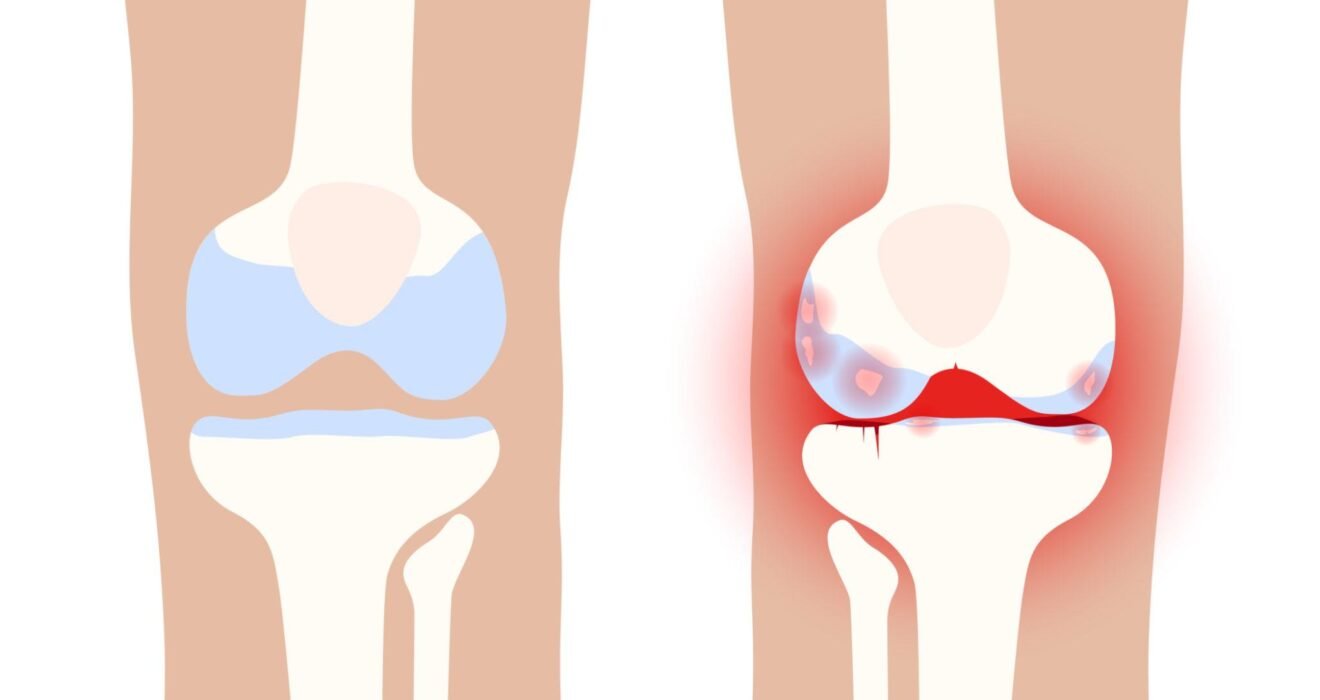
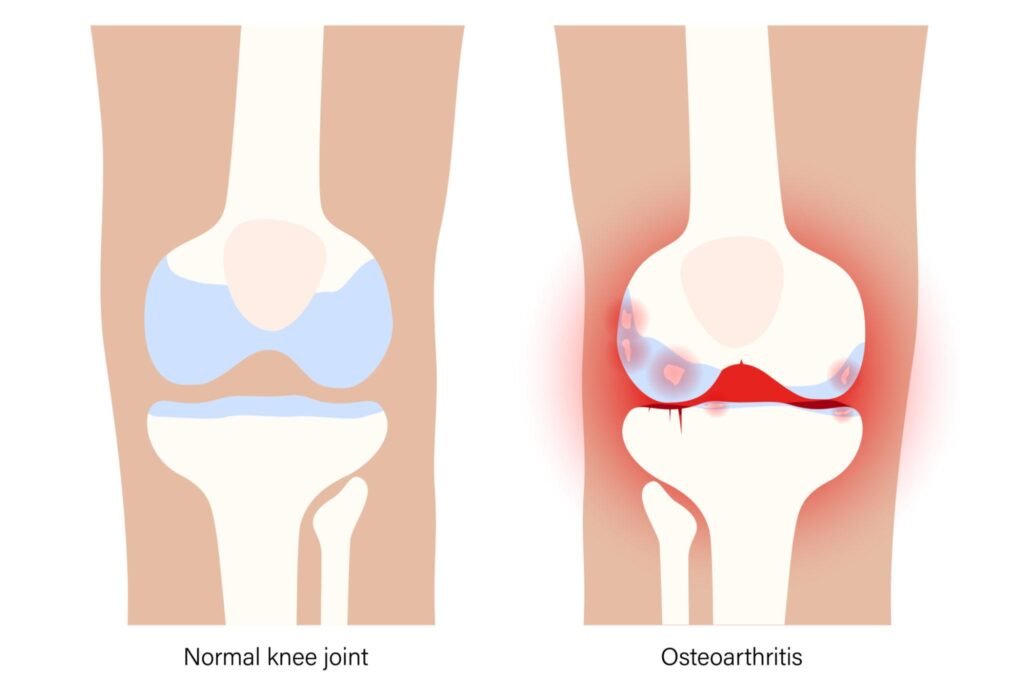
Osteoarthritis is the most common type of arthritis and is often called a degenerative joint disease. It occurs when the cartilage—the smooth, protective tissue at the ends of bones—gradually wears down over time. This loss of cushioning causes the bones to rub against each other, leading to pain, stiffness, and reduced movement.
It usually affects weight-bearing joints like the knees, hips, and spine, but it can also occur in the hands and other joints. Osteoarthritis develops slowly and tends to worsen with age, though factors like injury, obesity, and repetitive stress can speed up its progression.
In simple terms, osteoarthritis is a condition where joints become painful, stiff, and less flexible due to the breakdown of their natural cushioning.
Why Early Detection Matters
Ignoring the initial symptoms can result in severe joint damage over time. Early detection allows:
- Better pain management
- Slower progression of joint damage
- Improved mobility and flexibility
- Reduced need for surgical intervention
This is why many patients actively search for the best orthopeadics near me when they notice even mild discomfort. Early expert consultation can help preserve joint function for years.
Early Signs of Osteoarthritis You Shouldn’t Ignore
1. Persistent Joint Pain
One of the earliest and most noticeable symptoms is persistent joint pain. Initially, the pain may only occur after physical activity such as walking, climbing stairs, or exercising. Over time, it can start appearing even during rest. Many people dismiss this as temporary fatigue or aging, but consistent discomfort is often the body’s way of signaling underlying joint degeneration.
If this pain continues for weeks or becomes more frequent, it’s important to consult the best orthopeadics near me for proper diagnosis and early management, which can help slow disease progression.
2. Joint Stiffness (Especially in the Morning)
Stiffness in the joints, particularly after waking up or sitting for long periods, is another early warning sign. This stiffness usually lasts for a few minutes and improves once you start moving. However, as the condition progresses, the stiffness may last longer and become more uncomfortable.
This happens because the cartilage loses its smoothness, making joint movement less fluid. Early medical guidance, including stretching and mobility exercises, can significantly improve flexibility and reduce discomfort.
3. Swelling Around the Joints
Inflammation within the joint can lead to visible swelling, warmth, or puffiness around the affected area. This swelling may not always be constant—it can appear after activity and subside with rest.
Even mild, recurring swelling should not be ignored, as it indicates irritation inside the joint. Identifying the cause early helps prevent further damage and allows for timely treatment such as anti-inflammatory care and lifestyle adjustments.
4. Reduced Range of Motion
Another early symptom is a gradual loss of flexibility. You may find it difficult to fully bend or straighten a joint, or notice discomfort while performing routine tasks like sitting, standing, or reaching.
This reduced range of motion occurs because of cartilage wear and joint stiffness. If left untreated, it can significantly impact daily life. Consulting the best orthopeadics near me can help you regain mobility through guided physiotherapy and targeted exercises.
5. Grinding or Clicking Sensation
A grinding, crackling, or clicking sound (known as crepitus) during joint movement is a common early indicator. This happens when the protective cartilage wears down, causing bones to rub against each other.
While occasional joint sounds may not always indicate a problem, frequent or painful grinding should be evaluated. Addressing this early can help prevent further cartilage damage and joint deterioration.
6. Weakness in Muscles Around the Joint
As joint pain increases, people tend to avoid using the affected area, which can lead to muscle weakness over time. Weak muscles provide less support to the joint, increasing instability and the risk of further injury.
Strengthening the surrounding muscles through guided exercises can help stabilize the joint, reduce pain, and improve overall function.
7. Tenderness When Touching the Joint
Tenderness or sensitivity in the joint, especially when applying pressure, is another early sign. This discomfort may be subtle at first but can gradually increase if the condition progresses.
Tenderness often indicates inflammation within the joint and should be assessed early. Timely care and proper treatment can help control inflammation and prevent worsening symptoms.

Recognizing these early signs of Osteoarthritis is essential for maintaining long-term joint health. Acting early can make a significant difference in managing symptoms and preventing severe complications.
Risk Factors You Should Know
Certain factors increase the likelihood of developing osteoarthritis:
- Age (above 40)
- Obesity
- Previous joint injuries
- Repetitive stress on joints
- Genetic predisposition
If you fall into any of these categories, regular check-ups with the best orthopeadics near me can help detect problems early.
When Should You See a Doctor?
You should consult the best orthopeadics near me if you experience:
- Joint pain lasting more than a few weeks
- Swelling or stiffness that keeps returning
- Difficulty performing daily activities
- Reduced joint movement
Delaying medical advice can lead to irreversible joint damage.
Diagnosis and Evaluation of Osteoarthritis
Diagnosing Osteoarthritis involves a combination of clinical assessment and imaging tests to confirm joint damage and rule out other conditions.
- Medical History & Symptoms
The doctor asks about pain patterns, stiffness, swelling, and how symptoms affect daily activities. - Physical Examination
The affected joint is checked for tenderness, swelling, range of motion, and any grinding sensation during movement. - Imaging Tests
- X-rays help detect cartilage loss, bone spurs, and joint space narrowing.
- MRI scans provide detailed images of soft tissues like cartilage and ligaments.
- Laboratory Tests
Blood tests may be done to rule out other types of arthritis, such as rheumatoid arthritis.
Early and accurate diagnosis helps in creating an effective treatment plan and preventing further joint damage.
Treatment Options for Osteoarthritis
Osteoarthritis is a common joint condition that causes pain, stiffness, and reduced mobility. While it cannot be completely cured, the right treatment approach can effectively manage symptoms and improve quality of life. Here’s a brief, SEO-friendly overview of the most effective treatment options:
1. Lifestyle Changes
Simple lifestyle modifications are often the first step in managing osteoarthritis:
- Weight management: Reduces stress on joints, especially knees and hips
- Regular exercise: Low-impact activities like walking, swimming, or cycling improve flexibility and strength
- Healthy diet: Anti-inflammatory foods support joint health
2. Medications
Doctors may prescribe medications to relieve pain and inflammation:
- Pain relievers: Such as Paracetamol
- NSAIDs: Like Ibuprofen to reduce inflammation
- Topical creams: Applied directly to the affected joints
3. Physical Therapy
Physical therapy plays a key role in strengthening muscles around the joint:
- Improves mobility and flexibility
- Reduces stiffness and pain
- Helps patients maintain independence
4. Assistive Devices
Supportive tools can ease joint strain:
- Knee braces, shoe inserts, or walking aids
- Help improve balance and reduce discomfort during movement
5. Injections
For moderate to severe cases:
- Corticosteroid injections provide temporary pain relief
- Hyaluronic acid injections improve joint lubrication
6. Surgical Options
When other treatments fail, surgery may be recommended:
- Joint repair or replacement (knee/hip replacement)
- Helps restore function and significantly reduce pain
7. Alternative Therapies
Some patients benefit from complementary treatments:
- Acupuncture
- Yoga and physiotherapy-based exercises
- Herbal supplements (consult a doctor before use)
Managing osteoarthritis requires a combination of treatments tailored to the patient’s condition. Early diagnosis and the right care plan can significantly slow disease progression and improve daily life. If you’re searching for effective care, consult a trusted healthcare provider to explore the best treatment options for osteoarthritis.
Prevention Tips for Healthy Joints
Keeping your joints healthy is essential for maintaining mobility, flexibility, and an active lifestyle. Whether you want to prevent pain or reduce the risk of conditions like Osteoarthritis, adopting simple daily habits can make a big difference. Here are some effective prevention tips for healthy joints:
1. Stay Physically Active
Regular movement helps keep joints flexible and strong.
- Choose low-impact exercises like walking, swimming, or yoga
- Include strength training to support joint stability
- Try activities such as Yoga for flexibility and balance
2. Maintain a Healthy Weight
Excess weight puts extra pressure on joints, especially knees and hips.
- Losing even a small amount of weight reduces joint stress
- Helps prevent wear and tear over time
3. Eat a Joint-Friendly Diet
Nutrition plays a key role in joint health.
- Include anti-inflammatory foods like fruits, vegetables, and nuts
- Omega-3 fatty acids found in fish help reduce inflammation
- Ensure enough calcium and vitamin D for strong bones
4. Protect Your Joints
Avoid unnecessary strain during daily activities:
- Use proper techniques while lifting heavy objects
- Wear supportive footwear
- Take breaks during repetitive movements
5. Maintain Good Posture
Poor posture can stress joints over time.
- Sit and stand with proper alignment
- Use ergonomic furniture at work
- Keep your spine straight while working or using devices
6. Stay Hydrated
Water helps keep joints lubricated and supports cartilage health.
- Drink enough fluids throughout the day
- Especially important during physical activity
7. Avoid Overuse and Injury
Overworking joints can lead to damage.
- Warm up before exercise
- Avoid sudden intense movements
- Listen to your body and rest when needed
- Following these prevention tips for healthy joints can help you stay active and pain-free for years. Small lifestyle changes today can prevent major joint problems in the future. Prioritize joint care to improve overall health and maintain long-term mobility.
Best Orthopeadics Near Me – Complete Guide to DVR Hospital Orthopedic Care
Introduction
If you are searching for the best orthopeadics near me, choosing the right hospital plays a crucial role in your recovery. DVR Diagnostics and Ortho Centre stands out as a trusted destination for advanced orthopedic care combined with modern diagnostics. This blog will help you understand why DVR Hospital is considered among the best orthopeadics near me and what makes it a preferred choice for patients.
About DVR Hospital Orthopedics
When looking for the best orthopeadics near me, patients expect accurate diagnosis and expert treatment. DVR Hospital offers a complete healthcare solution with orthopedic consultations, physiotherapy, and diagnostic services under one roof.
The hospital is equipped with advanced technologies such as CT scans, digital X-rays, ultrasounds, and ECG, ensuring precise diagnosis and faster treatment planning.
This integrated approach makes it easier for patients searching for the best orthopeadics near me to receive seamless care without visiting multiple facilities.
Expert Orthopedic Doctors
Choosing the best orthopeadics near me also depends on the expertise of doctors. DVR Hospital has experienced specialists like:
- Dr. Karthik Reddy Patlolla (Orthopaedics)
- Dr. P. Srujana Reddy (Radiology)
Their experience ensures that patients receive accurate diagnosis and effective treatment plans. This is one of the key reasons why many people consider DVR among the best orthopeadics near me.
Orthopedic Services Offered
When searching for the best orthopeadics near me, understanding the range of services available is essential. DVR Hospital provides comprehensive orthopedic care supported by advanced diagnostics and rehabilitation services.
1. Orthopedic Consultation
Expert doctors evaluate bone, joint, and muscle conditions to provide accurate diagnosis and personalized treatment plans. This ensures patients looking for the best orthopeadics near me receive the right care from the start.
2. Advanced Diagnostic Services
The hospital offers modern diagnostic facilities such as digital X-rays, CT scans, and laboratory tests. These services help in early detection and precise treatment planning.
3. Physiotherapy & Rehabilitation

Customized physiotherapy programs help restore mobility, reduce pain, and strengthen muscles after injury or surgery.
4. Pain & Injury Management
Treatment is available for common orthopedic conditions like joint pain, arthritis, back pain, and sports injuries—making it a reliable option for those searching for the best orthopeadics near me.
5. Preventive Care & Follow-ups
Regular check-ups and preventive guidance help patients maintain long-term joint health and avoid future complications.
Overall, DVR Hospital offers a complete range of orthopedic services, making it a trusted choice for patients seeking the best orthopeadics near me for quality and effective treatment.
Why DVR Hospital is the Best Ortho Choice
When searching for the best orthopeadics near me, choosing a hospital that offers expert care and advanced facilities is essential. DVR Hospital stands out as a trusted name in orthopedic treatment, providing a complete range of services under one roof.
One of the key reasons patients consider DVR Hospital among the best orthopeadics near me is its experienced team of orthopedic specialists. The doctors focus on accurate diagnosis and personalized treatment plans, ensuring better recovery outcomes for every patient.
Another important factor that makes DVR Hospital the best orthopeadics near me is its advanced diagnostic support. With facilities like digital X-rays, CT scans, and laboratory services, patients receive quick and precise results, which helps in starting the right treatment without delay.
DVR Hospital also emphasizes patient-centered care. From consultation to rehabilitation, every step is designed to provide comfort, convenience, and effective healing. This holistic approach makes it a preferred choice for people looking for the best orthopeadics near me.
Overall, with modern technology, expert doctors, and comprehensive care services, DVR Hospital continues to build trust as a reliable orthopedic center for quality treatment and long-term joint health.
Patient Experience & Trust
Many patients highlight the hospital’s smooth process, knowledgeable doctors, and modern facilities. Positive feedback further strengthens its reputation as one of the best orthopeadics near me.
From diagnosis to recovery, the hospital ensures a comfortable and efficient patient journey.
When Should You Visit an Orthopedic Specialist?
If you are searching for the best orthopeadics near me, you should consult a specialist if you experience:
- Persistent joint or bone pain
- Swelling or stiffness
- Difficulty in movement
- Sports injuries
- Back or neck pain
Early diagnosis can prevent complications and improve recovery outcomes.
Conclusion
Maintaining healthy joints requires a combination of regular exercise, balanced nutrition, proper posture, and timely care. By following simple preventive measures, you can reduce the risk of joint pain and stay active for years to come. However, if you experience persistent discomfort or mobility issues, consulting the best orthopeadics near me ensures early diagnosis and effective treatment.
Choosing the best orthopeadics near me not only helps in managing existing problems but also plays a key role in preventing future complications. Expert guidance, personalized care, and the right treatment approach can significantly improve your joint health and overall quality of life.
For long-term wellness and pain-free movement, always prioritize professional advice from the best orthopeadics near me and take proactive steps toward better joint care.
FAQs – Prevention Tips for Healthy Joints
1. When should I consult the best orthopeadics near me for joint pain?
You should visit the best orthopeadics near me if you experience persistent joint pain, swelling, stiffness, or difficulty in movement that lasts for several days. Early consultation helps prevent serious joint conditions.
2. Can joint problems be prevented without visiting the best orthopeadics near me?
Yes, many joint issues can be prevented with regular exercise, a healthy diet, and maintaining proper posture. However, if symptoms continue, it’s important to consult the best orthopeadics near me for proper diagnosis.
3. What exercises are recommended by the best orthopeadics near me for healthy joints?
Specialists usually recommend low-impact activities like walking, swimming, stretching, and Yoga. These exercises improve flexibility and strengthen muscles around the joints.
4. How does weight affect joint health according to the best orthopeadics near me?
Excess body weight increases pressure on joints, especially knees and hips, leading to faster wear and tear. Maintaining a healthy weight is often advised by the best orthopeadics near me to reduce joint stress.
5. Are supplements necessary for joint health?
Supplements may help in some cases, but they should only be taken after consulting a healthcare professional. A balanced diet is usually the best way to support joint health.
CONTACT US :
Get Expert Orthopedic Care Today
Don’t let joint pain or mobility issues affect your daily life. Take the first step toward better health with expert care and advanced treatment.
📧 Email: Dvrdiagnostics@gmail.com
📞 Call: 09391029909
📍 Address: 1-83/A, Manchirevula, Narsingi, Hyderabad, Telangana, India
📲 Instagram: https://www.instagram.com/dvrhospital/
Book your consultation today and experience trusted, patient-focused care. Your journey to pain-free movement starts here—connect with our team now!