
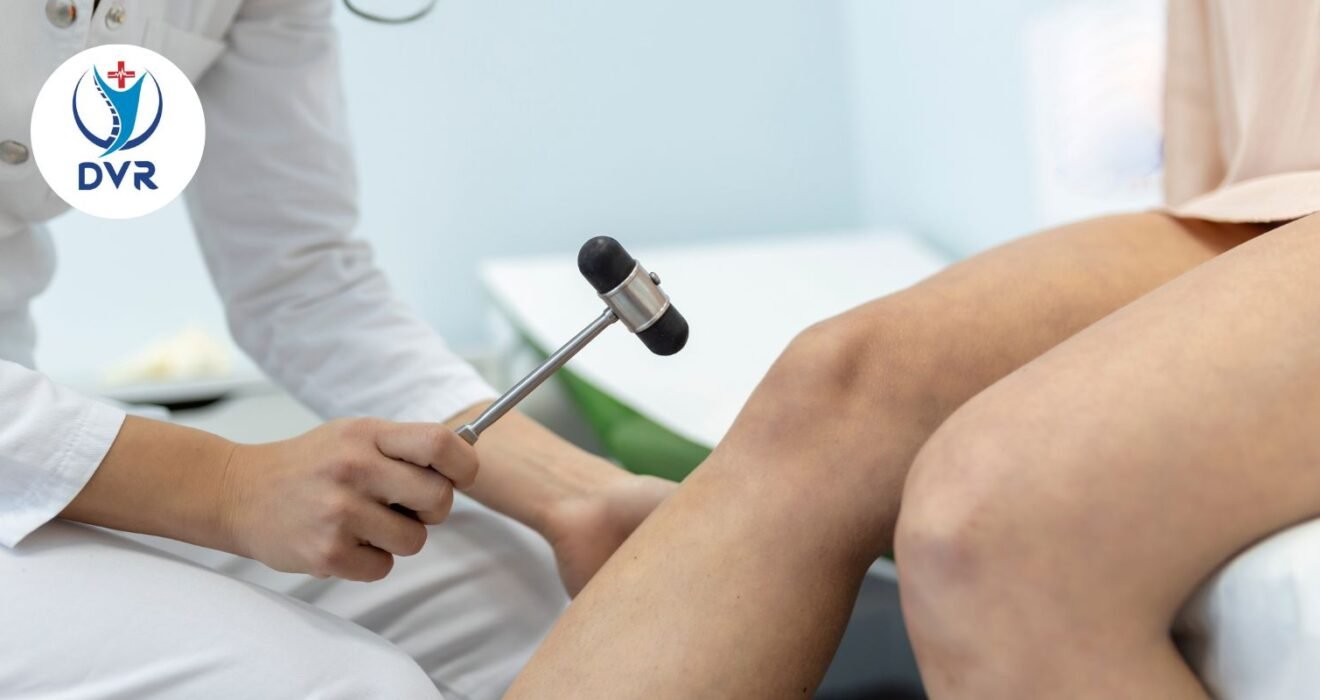
Rheumatoid Factor Test for Knee Joint Pain: When and Why It Matters
Knee joint pain is one of the most common complaints among people of all age groups. While injuries, aging, and overuse are frequent causes, persistent knee pain may also be linked to autoimmune conditions such as rheumatoid arthritis. One important diagnostic tool used to detect such conditions is the Rheumatoid Factor (RF) test. Understanding this test and its role in identifying the underlying cause of knee pain can help individuals seek timely medical attention and appropriate treatment.
If you are experiencing ongoing knee discomfort, swelling, or stiffness, visiting a Diagnostic centre in narsingi for proper evaluation and laboratory testing can help identify whether rheumatoid arthritis or another inflammatory condition is involved.
Understanding Knee Joint Pain
The knee is one of the largest and most complex joints in the human body. It bears the body’s weight and enables movements such as walking, running, bending, and climbing. Because of its constant use, the knee is vulnerable to injury, inflammation, and degenerative conditions.
Common causes of knee joint pain include:
- Osteoarthritis
- Rheumatoid arthritis
- Ligament injuries
- Tendinitis
- Bursitis
- Meniscus tears
- Gout or other inflammatory disorders
While mechanical problems such as injuries usually cause localized pain, autoimmune conditions like rheumatoid arthritis can lead to inflammation that affects multiple joints, including the knees.
A proper evaluation at a Diagnostic centre in narsingi helps determine whether the pain is mechanical or related to an autoimmune disorder.
What is Rheumatoid Arthritis?
Rheumatoid arthritis (RA) is a chronic autoimmune disease where the immune system mistakenly attacks healthy joint tissues. This attack causes inflammation in the synovium, the lining of the joints, leading to pain, swelling, stiffness, and eventually joint damage if untreated.
Although RA commonly affects small joints in the hands and feet, it can also involve larger joints such as the knees.
Symptoms of rheumatoid arthritis affecting the knee include:
- Persistent knee pain
- Swelling around the joint
- Morning stiffness lasting longer than 30 minutes
- Warmth or redness around the knee
- Reduced range of motion
- Fatigue and general weakness
When these symptoms persist, doctors often recommend laboratory investigations such as the Rheumatoid Factor test, which can be performed at a reliable Diagnostic centre in narsingi.
What is the Rheumatoid Factor Test?
The Rheumatoid Factor test is a blood test used to detect the presence of rheumatoid factor antibodies in the bloodstream. These antibodies are proteins produced by the immune system that may attack the body’s own tissues.
High levels of rheumatoid factor can indicate autoimmune conditions such as:
- Rheumatoid arthritis
- Sjögren’s syndrome
- Lupus
- Chronic infections
However, the presence of rheumatoid factor alone does not confirm rheumatoid arthritis. Doctors usually combine this test with other laboratory tests and imaging studies to make an accurate diagnosis.
A trusted Diagnostic centre in narsingi can perform the RF test with advanced equipment to ensure reliable and accurate results.
Why the RF Test is Recommended for Knee Joint Pain
When knee pain is accompanied by swelling, stiffness, and inflammation, doctors may suspect rheumatoid arthritis. The RF test helps identify whether the immune system is producing rheumatoid factor antibodies.
Doctors may recommend this test if you experience:
- Chronic knee pain without injury
- Joint stiffness in the morning
- Swelling in multiple joints
- Family history of autoimmune disorders
- Fatigue and unexplained weakness
Early detection through testing at a Diagnostic centre in narsingi can help initiate treatment before the disease causes permanent joint damage.
How the Rheumatoid Factor Test is Performed
The RF test is a simple blood test that does not require any special preparation.
Step-by-step process
- A healthcare professional cleans the skin on your arm.
- A small needle is inserted into a vein.
- A blood sample is collected in a vial.
- The sample is sent to a laboratory for analysis.
The entire process usually takes only a few minutes. Most patients experience minimal discomfort during the procedure.
Once the blood sample is collected, laboratory specialists at a Diagnostic centre in narsingi analyze it to determine the level of rheumatoid factor in the blood.
Understanding the RF Test Results
The results of the Rheumatoid Factor test are typically measured in international units per milliliter (IU/mL).
Normal Range
Low or undetectable levels of rheumatoid factor are considered normal.
Elevated Levels
Higher levels of rheumatoid factor may indicate:
- Rheumatoid arthritis
- Other autoimmune diseases
- Chronic infections
- Age-related immune changes
It is important to note that some people with rheumatoid arthritis may have normal RF levels, while some healthy individuals may have slightly elevated levels.
Therefore, doctors interpret RF test results along with other clinical findings and additional tests performed at a Diagnostic centre in narsingi.
Other Tests Often Recommended Along with RF Test
To confirm rheumatoid arthritis or other inflammatory conditions, doctors may recommend additional tests.
Anti-CCP Test
This test detects anti-cyclic citrullinated peptide antibodies, which are more specific for rheumatoid arthritis.
ESR (Erythrocyte Sedimentation Rate)
Measures the level of inflammation in the body.
CRP (C-Reactive Protein)
Another marker used to detect inflammation.
Imaging Tests
X-rays, ultrasound, or MRI scans help evaluate joint damage and inflammation.
These tests are often available at a well-equipped Diagnostic centre in narsingi, enabling doctors to make an accurate diagnosis.
Importance of Early Diagnosis
Early diagnosis plays a crucial role in managing rheumatoid arthritis. When detected in the early stages, treatment can help slow disease progression and protect joint function.
Benefits of early diagnosis include:
- Preventing joint damage
- Reducing pain and inflammation
- Improving mobility
- Enhancing quality of life
- Preventing complications
Routine evaluation and testing at a Diagnostic centre in narsingi can help identify rheumatoid arthritis before it causes severe joint damage.
Treatment Options After Diagnosis
If rheumatoid arthritis is confirmed, treatment focuses on reducing inflammation, relieving pain, and preventing joint damage.
Common treatment approaches include:
Medications
Doctors may prescribe:
- Nonsteroidal anti-inflammatory drugs (NSAIDs)
- Disease-modifying antirheumatic drugs (DMARDs)
- Corticosteroids
- Biologic therapies
Physical Therapy
Physical therapy helps maintain joint flexibility and strengthen surrounding muscles.
Lifestyle Modifications
Lifestyle changes can significantly improve symptoms.
Helpful lifestyle strategies include:
- Maintaining a healthy weight
- Regular low-impact exercise
- Balanced diet rich in anti-inflammatory foods
- Stress management
- Adequate rest
Monitoring disease progression with periodic testing at a Diagnostic centre in narsingi helps doctors adjust treatment plans effectively.
When Should You Get the RF Test?
You should consider consulting a healthcare professional and getting tested if you experience:
- Knee pain lasting more than a few weeks
- Joint swelling and stiffness
- Difficulty walking or bending the knee
- Multiple joints affected simultaneously
- Fatigue along with joint pain
Timely evaluation at a Diagnostic centre in narsingi ensures accurate diagnosis and helps prevent complications associated with untreated rheumatoid arthritis.
Preparing for the RF Test
One of the advantages of the Rheumatoid Factor test is that it usually requires no special preparation.
However, it is recommended to:
- Inform the doctor about medications you are taking
- Follow any instructions provided by the healthcare provider
- Stay hydrated before the blood test
Once the sample is collected and analyzed at a Diagnostic centre in narsingi, your doctor will review the results and guide you regarding the next steps.
Choosing the Right Diagnostic Facility
Selecting a reliable diagnostic facility is essential for accurate testing and timely results.
When choosing a diagnostic center, consider:
- Certified laboratory facilities
- Experienced technicians
- Advanced diagnostic equipment
- Quick and accurate reporting
- Hygienic environment
A professional Diagnostic centre in narsingi provides comprehensive diagnostic services that help doctors detect conditions such as rheumatoid arthritis at an early stage.
Tips to Protect Knee Joint Health
While some causes of knee pain cannot be prevented, certain lifestyle habits can help maintain joint health.
Maintain a Healthy Weight
Excess weight increases stress on knee joints and accelerates joint damage.
Stay Physically Active
Regular exercise strengthens muscles that support the knees.
Avoid Overuse
Repeated strain can lead to inflammation and injury.
Eat an Anti-inflammatory Diet
Foods rich in omega-3 fatty acids, fruits, vegetables, and whole grains support joint health.
Get Regular Checkups
Routine health screenings at a Diagnostic centre in narsingi can help detect underlying conditions early.
Rheumatoid Factor Test for Knee Pain: Importance of Early Diagnosis
Knee pain is a common health concern that affects people of all ages. It can result from injuries, overuse, aging, or underlying medical conditions. However, when knee pain is persistent and accompanied by swelling, stiffness, and reduced mobility, it may indicate an autoimmune condition such as rheumatoid arthritis. In such cases, the Rheumatoid Factor (RF) test plays an important role in identifying the underlying cause.
Timely medical evaluation and laboratory testing can help determine whether knee pain is related to inflammation caused by autoimmune diseases. Visiting a reliable Diagnostic centre in narsingi for accurate testing can help doctors diagnose the condition early and recommend the right treatment plan.
Understanding Knee Joint Pain
The knee joint is one of the most important weight-bearing joints in the body. It allows movements like walking, running, bending, and climbing stairs. Because it supports a large portion of body weight, it is more vulnerable to injuries and degenerative conditions.
Knee pain can occur due to several reasons, including:
- Ligament injuries
- Cartilage damage
- Osteoarthritis
- Rheumatoid arthritis
- Tendinitis
- Bursitis
- Gout or infections
While minor injuries may heal with rest and medication, chronic knee pain requires proper medical evaluation. A healthcare professional may recommend blood tests, imaging scans, and other investigations at a Diagnostic centre in narsingi to identify the exact cause.
What is Rheumatoid Arthritis?
Rheumatoid arthritis (RA) is a chronic autoimmune disorder in which the immune system mistakenly attacks the body’s own tissues. The condition primarily affects the joints, causing inflammation and pain.
Unlike osteoarthritis, which develops due to wear and tear of joints, rheumatoid arthritis occurs because of immune system dysfunction. This leads to inflammation of the joint lining known as the synovium.
Over time, the inflammation can damage cartilage and bones within the joint, leading to deformity and loss of function.
When rheumatoid arthritis affects the knees, patients may experience:
- Continuous knee pain
- Swelling around the joint
- Warmth or redness
- Morning stiffness lasting longer than 30 minutes
- Difficulty bending or straightening the knee
Doctors often recommend laboratory tests, including the RF test, which can be done at a trusted Diagnostic centre in narsingi.
What is the Rheumatoid Factor Test?
The Rheumatoid Factor test is a blood test used to detect rheumatoid factor antibodies in the bloodstream. These antibodies are produced by the immune system and may attack healthy tissues.
The RF test is commonly used to help diagnose autoimmune diseases, particularly rheumatoid arthritis.
Conditions associated with elevated rheumatoid factor include:
- Rheumatoid arthritis
- Sjögren’s syndrome
- Lupus
- Chronic infections
- Other autoimmune disorders
However, a positive RF test alone does not confirm rheumatoid arthritis. Doctors interpret the result along with symptoms, physical examination, and other diagnostic tests conducted at a Diagnostic centre in narsingi.
Why Doctors Recommend the RF Test for Knee Pain
Not every case of knee pain requires an RF test. However, doctors may suggest it when symptoms indicate inflammatory arthritis.
The test may be recommended if a patient has:
- Persistent knee pain without a clear injury
- Joint stiffness, especially in the morning
- Swelling in multiple joints
- Fatigue along with joint pain
- Family history of autoimmune diseases
In such situations, laboratory testing at a professional Diagnostic centre in narsingi helps doctors evaluate whether rheumatoid arthritis or another autoimmune condition is causing the symptoms.
How the Rheumatoid Factor Test is Conducted
The RF test is simple and quick. It involves collecting a small sample of blood from the patient.
Procedure
- A healthcare professional cleans the skin on the arm.
- A sterile needle is inserted into a vein.
- A small amount of blood is collected in a tube.
- The sample is sent to the laboratory for analysis.
The procedure usually takes only a few minutes and requires no special preparation.
After the sample is collected, specialists at a Diagnostic centre in narsingi analyze it to measure the amount of rheumatoid factor present in the blood.
Understanding RF Test Results
The RF test result is usually reported in international units per milliliter (IU/mL).
Normal Result
Low or undetectable levels of rheumatoid factor are considered normal.
Positive Result
Higher levels of rheumatoid factor may suggest:
- Rheumatoid arthritis
- Other autoimmune diseases
- Chronic infections
- Inflammatory disorders
It is important to understand that some people with rheumatoid arthritis may have a negative RF test. Similarly, certain healthy individuals may have slightly elevated RF levels.
Therefore, doctors consider multiple factors, including clinical symptoms and additional tests performed at a Diagnostic centre in narsingi, before making a diagnosis.
Additional Tests for Rheumatoid Arthritis
To confirm rheumatoid arthritis, doctors may recommend additional laboratory and imaging tests.
Anti-CCP Test
The anti-cyclic citrullinated peptide test is more specific for diagnosing rheumatoid arthritis.
ESR Test
The erythrocyte sedimentation rate measures the level of inflammation in the body.
CRP Test
C-reactive protein is another marker that indicates inflammation.
Imaging Tests
X-rays, MRI scans, or ultrasound can help detect joint damage and inflammation.
These tests are commonly available at a well-equipped Diagnostic centre in narsingi, making it easier for doctors to assess joint health accurately.
Importance of Early Detection
Early diagnosis of rheumatoid arthritis is crucial for preventing permanent joint damage. If the disease is detected in its early stages, treatment can slow its progression and reduce complications.
Benefits of early diagnosis include:
- Reduced inflammation and pain
- Prevention of joint damage
- Improved mobility and flexibility
- Better treatment outcomes
- Enhanced quality of life
Regular health checkups and laboratory testing at a Diagnostic centre in narsingi play an important role in detecting autoimmune conditions at an early stage.
Treatment Options After Diagnosis
Once rheumatoid arthritis is diagnosed, treatment focuses on controlling inflammation and protecting the joints.
Medications
Doctors may prescribe medications such as:
- Nonsteroidal anti-inflammatory drugs (NSAIDs)
- Disease-modifying antirheumatic drugs (DMARDs)
- Corticosteroids
- Biologic therapies
Physical Therapy
Physical therapy helps strengthen muscles around the joints and improves flexibility.
Lifestyle Changes
Certain lifestyle habits can help reduce joint inflammation.
These include:
- Maintaining a healthy body weight
- Engaging in low-impact exercises
- Following a balanced diet
- Managing stress
- Getting adequate rest
Patients may also need periodic monitoring through blood tests at a Diagnostic centre in narsingi to evaluate treatment effectiveness.
Who Should Consider Getting an RF Test?
You may need an RF test if you experience the following symptoms:
- Chronic knee pain
- Joint swelling and stiffness
- Pain in multiple joints
- Difficulty walking or bending the knee
- Persistent fatigue with joint discomfort
A healthcare professional may recommend laboratory testing at a Diagnostic centre in narsingi to determine whether an autoimmune disorder is present.
Preparing for the Test
The Rheumatoid Factor test generally requires no special preparation. However, it is advisable to:
- Inform the doctor about current medications
- Follow any specific instructions from your healthcare provider
- Stay hydrated before the test
Once the blood sample is analyzed, the Diagnostic centre in narsingi will provide the results to your doctor for interpretation.
Choosing the Right Diagnostic Facility
Accurate test results depend on the quality of laboratory equipment and the expertise of healthcare professionals.
When selecting a diagnostic center, consider the following factors:
- Certified and accredited laboratory
- Experienced medical staff
- Advanced diagnostic technology
- Accurate and timely reporting
- Hygienic and patient-friendly environment
A reputable Diagnostic centre in narsingi ensures precise testing and reliable results that help doctors make accurate diagnoses.
Tips for Maintaining Healthy Knee Joints
While some causes of knee pain cannot be prevented, adopting healthy lifestyle habits can help protect joint health.
Maintain a Healthy Weight
Excess body weight increases pressure on the knee joints.
Stay Active
Regular exercise strengthens muscles that support the knees.
Eat Nutritious Foods
A diet rich in fruits, vegetables, and omega-3 fatty acids helps reduce inflammation.
Avoid Excessive Strain
Limit activities that put too much stress on the knees.
Get Regular Health Checkups
Routine screenings at a Diagnostic centre in narsingi can help detect underlying health issues early.
Conclusion
Knee pain can significantly affect daily life and mobility. While injuries and aging are common causes, persistent knee pain may sometimes indicate autoimmune diseases such as rheumatoid arthritis.
The Rheumatoid Factor test is an important diagnostic tool that helps doctors detect autoimmune disorders affecting the joints. By identifying the condition early, healthcare providers can begin treatment that reduces inflammation, protects joints, and improves overall quality of life.
If you are experiencing ongoing knee pain, swelling, or stiffness, consulting a healthcare professional and getting tested at a reliable Diagnostic centre in narsingi can help determine the cause and guide the appropriate treatment plan. Early diagnosis and timely care are essential for maintaining healthy joints and preventing long-term complications.
Contact Us:
Call us on : 093910 29909
Follow Us On Instagram : https://www.instagram.com/dvrhospital/
Follow Us On Facebook : https://www.facebook.com/people/DVR-Hospital-Diagnostics/61580485479021