Knee Osteoarthritis Non-Surgical Management – Complete Guide for Long-Term Relief
Knee osteoarthritis is one of the most common causes of chronic knee pain worldwide. It affects mobility, daily activities, and overall quality of life. Many patients fear that surgery is the only solution, but in reality, a large percentage of people can successfully manage symptoms using non-surgical methods. Modern medicine focuses on early intervention, lifestyle changes, and evidence-based therapies to delay or avoid surgery altogether.
If you are searching for knee pain treatment in Narsingi, understanding non-surgical options is essential. Early and proper management can significantly reduce pain, improve joint function, and help you stay active for many years.
Understanding Knee Osteoarthritis
Knee osteoarthritis is a degenerative joint condition where cartilage gradually wears down. Cartilage acts like a cushion between bones. When it deteriorates, bones rub against each other, causing pain, stiffness, swelling, and reduced movement.
Knee osteoarthritis is highly prevalent in India, especially among older adults, with studies showing very high rates in elderly populations.
Non-surgical treatments do not reverse cartilage loss, but they can significantly reduce pain and disability and slow disease progression.
People looking for knee pain treatment in Narsingi should know that non-surgical management is usually the first step before considering surgery.
Why Choose Non-Surgical Management?
Non-surgical treatment is recommended as the first line because:
- Lower risk compared to surgery
- Cost-effective long term
- Helps delay joint replacement
- Improves quality of life
- Suitable for early and moderate arthritis
Medical guidelines strongly recommend starting with conservative treatments such as exercise, weight management, education, and medications.
Core Pillars of Non-Surgical Management
1. Exercise Therapy – The Foundation of Treatment
Exercise is the most effective non-surgical therapy. It improves strength, stability, and joint lubrication.
Research shows structured exercise programs reduce pain and improve function significantly.
Recommended exercises include:
- Quadriceps strengthening
- Hamstring strengthening
- Low-impact cardio (walking, cycling, swimming)
- Stretching exercises
- Balance training
Exercise works best when continued long term, not just during pain episodes.
If you are exploring knee pain treatment in Narsingi, supervised physiotherapy combined with home exercise programs can provide excellent results.
2. Weight Management
Excess body weight increases pressure on knee joints. Even small weight loss improves symptoms.
Studies show weight reduction improves pain, mobility, and quality of life in knee osteoarthritis.
Even 5% body weight loss can significantly improve knee pain.
For patients seeking knee pain treatment in Narsingi, weight management often becomes a crucial part of treatment planning.
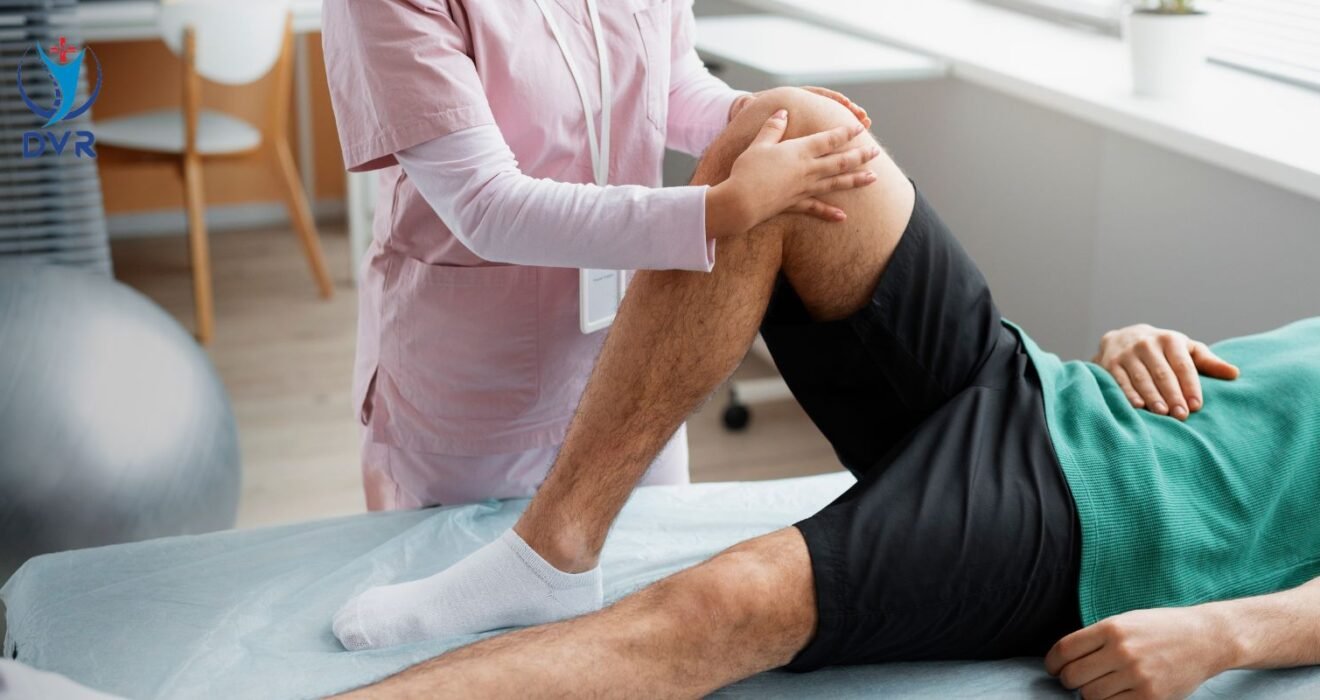
3. Physiotherapy and Rehabilitation
Physiotherapy improves:
- Joint mobility
- Muscle strength
- Balance
- Walking ability
Physical therapy has been shown to significantly improve pain and function in knee osteoarthritis patients.
Physiotherapy may include:
- Manual therapy
- Electrotherapy
- Strength training
- Gait training
- Posture correction
Many patients choosing knee pain treatment in Narsingi benefit from structured rehabilitation programs.
4. Lifestyle and Activity Modification
Simple lifestyle changes reduce joint stress:
- Avoid prolonged standing
- Avoid deep squatting
- Use supportive footwear
- Modify workplace ergonomics
- Use stair rails
Patient education and activity modification are core non-surgical strategies.
Medication Options (Non-Surgical)
Medications help control pain but are usually combined with lifestyle therapy.
Common options include:
Pain Relievers
- Paracetamol
- Topical pain gels
Anti-Inflammatory Drugs
- NSAIDs
- COX-2 inhibitors
These medications provide short-term relief but are not long-term cures.
For patients considering knee pain treatment in Narsingi, medication is usually combined with physiotherapy and exercise.
Knee Braces and Support Devices
Braces help:
- Reduce joint load
- Improve walking stability
- Delay surgery
Research shows knee braces can improve pain and function and may delay joint replacement.
Injection Therapies
Injections are used when exercise and medications are not enough.
Common injections include:
Steroid Injections
Reduce inflammation and pain temporarily.
Hyaluronic Acid Injections
Improve joint lubrication.
PRP (Platelet Rich Plasma)
May help in early arthritis, but evidence is mixed and still under research.
Patients seeking advanced knee pain treatment in Narsingi may be advised injections based on disease stage.
Emerging Non-Surgical Treatments
New research is exploring alternative therapies such as low-dose radiation therapy, which has shown promising pain reduction results, though still under evaluation.
These treatments are not yet standard but may become future options.
Importance of Early Diagnosis
Early management can:
- Slow disease progression
- Delay surgery by years
- Maintain active lifestyle
Most treatment guidelines recommend starting with non-surgical methods for all patients.
Diet for Knee Osteoarthritis
Helpful foods:
- Omega-3 rich foods
- Green vegetables
- Nuts and seeds
- Anti-inflammatory spices
Avoid:
- Excess sugar
- Processed food
- Excess fried food
Good nutrition supports joint health and weight control.
Mental Health and Chronic Knee Pain
Chronic pain affects mental well-being. Stress can increase pain perception.
Helpful approaches:
- Yoga
- Meditation
- Cognitive therapy
- Support groups
Self-management programs improve pain and function outcomes.
When to Consider Surgery
Surgery is considered when:
- Severe pain persists
- Mobility is severely restricted
- Non-surgical treatment fails
However, many patients can delay surgery for years with proper conservative treatment.
Personalized Treatment Approach
Every patient is different. Treatment depends on:
- Age
- Weight
- Activity level
- Severity of arthritis
- Occupation
A customized plan is best for long-term results.
If you are researching knee pain treatment in Narsingi, choose clinics offering personalized rehabilitation programs.
Daily Home Care Tips
- Do daily knee strengthening exercises
- Maintain healthy body weight
- Use hot/cold therapy
- Stay physically active
- Avoid sudden high-impact activities
Consistency is the key to success.
Future of Non-Surgical Knee OA Treatment
Future trends include:
- Regenerative medicine
- AI-guided treatment planning
- Personalized exercise therapy
- Better injection techniques
Technology is making non-surgical treatment more effective.
Advanced Non-Surgical Strategies and Daily Living Plan for Knee Osteoarthritis
In 1, we discussed the fundamentals of knee osteoarthritis and the core non-surgical treatment pillars like exercise, weight management, physiotherapy, medications, and injections. We also highlighted how early treatment can delay or prevent surgery.
Now, in 2, we will go deeper into advanced conservative treatment strategies, long-term joint protection methods, daily lifestyle planning, and how patients can maintain mobility and independence for years. Many people searching for knee pain treatment in Narsingi want to understand not only treatment options but also how to live comfortably with knee osteoarthritis.
Understanding Disease Progression in Knee Osteoarthritis
Knee osteoarthritis is a slowly progressive condition. Symptoms usually develop in stages:
Early Stage
- Mild pain after activity
- Occasional stiffness
- Slight swelling
Moderate Stage
- Pain during walking
- Morning stiffness
- Difficulty climbing stairs
Advanced Stage
- Constant pain
- Joint deformity
- Reduced walking ability
The good news is that with proper conservative management, progression can often be slowed significantly. Patients opting for knee pain treatment in Narsingi are increasingly choosing early non-surgical care to prevent long-term joint damage.
Advanced Physiotherapy Techniques
Modern physiotherapy goes beyond basic exercises. Advanced methods include:
1. Neuromuscular Training
Helps improve joint stability and movement control.
2. Proprioception Training
Improves balance and reduces fall risk.
3. Functional Movement Training
Focuses on daily activities like sitting, standing, and stair climbing.
4. Hydrotherapy
Water-based exercises reduce joint load while improving strength.
These advanced therapies are especially useful in moderate arthritis cases and are often part of structured knee pain treatment in Narsingi programs.
Role of Muscle Strength in Joint Protection
Strong muscles act like natural braces for the knee joint.
Key Muscles to Strengthen
- Quadriceps
- Hamstrings
- Glute muscles
- Calf muscles
Weak muscles increase joint load, accelerating cartilage damage. Regular strengthening reduces pain and improves function.
Importance of Movement – “Motion is Medicine”
Many patients fear movement due to pain. However, controlled movement is essential.
Benefits of regular movement:
- Improves joint lubrication
- Reduces stiffness
- Maintains cartilage nutrition
- Prevents muscle wasting
Structured movement programs are a major part of knee pain treatment in Narsingi rehabilitation plans.
Joint Protection Techniques for Daily Life
Sitting and Standing
- Avoid low chairs
- Use arm support while standing
Stair Climbing
- Step up with stronger leg first
- Use railing support
Lifting Objects
- Bend hips, not knees
Sleeping Position
- Use pillow between knees
Small daily habit changes reduce long-term joint stress.
Footwear and Orthotics
Proper footwear can reduce knee load significantly.
Ideal Footwear Features
- Cushioned sole
- Arch support
- Shock absorption
- Low heel
Custom orthotics may help correct walking patterns and reduce pain.
Pain Flare-Up Management
Pain flare-ups are common in osteoarthritis. Knowing how to manage them is crucial.
During Flare-Ups
- Reduce activity temporarily
- Use ice packs
- Take prescribed medication
- Avoid complete bed rest
Patients receiving knee pain treatment in Narsingi are often taught flare-up self-management strategies.
Nutrition for Joint Health
Anti-Inflammatory Foods
- Fatty fish
- Turmeric
- Ginger
- Leafy greens
- Nuts
Nutrients Important for Joints
- Vitamin D
- Calcium
- Collagen
- Protein
Balanced nutrition supports overall joint function and recovery.
Weight Loss – A Powerful Natural Treatment
Every extra kilogram increases knee joint load during walking. Even modest weight loss can reduce pain significantly.
Healthy weight loss strategies:
- Balanced diet
- Regular exercise
- Portion control
- Lifestyle consistency
Weight management is often emphasized in knee pain treatment in Narsingi programs.
Non-Surgical Pain Relief Technologies
Modern technology offers additional pain relief options:
TENS Therapy
Electrical stimulation reduces pain signals.
Ultrasound Therapy
Improves blood flow and tissue healing.
Laser Therapy
May reduce inflammation and pain.
These treatments are typically combined with physiotherapy for best results.
Injection Therapy – When is it Needed?
Injections are considered when:
- Pain persists despite therapy
- Mobility decreases
- Daily function is affected
Types include:
- Steroid injections
- Hyaluronic acid injections
- PRP therapy
Not all patients need injections. Decision depends on symptoms and stage of arthritis.
Mental and Emotional Impact of Chronic Knee Pain
Chronic pain affects mood, sleep, and confidence.
Helpful coping methods:
- Meditation
- Yoga
- Breathing exercises
- Counseling
- Support groups
Holistic care is an important part of modern knee pain treatment in Narsingi approaches.
Workplace Ergonomics for Knee Protection
Office Workers
- Use proper chair height
- Avoid long sitting hours
- Take walking breaks
Manual Workers
- Use knee supports
- Avoid repeated squatting
- Use assistive tools
Workplace modifications reduce symptom worsening.
Importance of Consistency in Treatment
Many patients stop therapy when pain reduces. This is a common mistake.
Osteoarthritis management is long-term. Consistency prevents symptom recurrence.
Long-term exercise adherence leads to better outcomes than short-term therapy.
Alternative Therapies – Do They Help?
Some patients explore alternative therapies like:
- Acupuncture
- Ayurveda
- Massage therapy
These may provide symptom relief but should be combined with medical treatment, not replace it.
When to Re-Evaluate Treatment Plan
Consult your doctor if:
- Pain increases suddenly
- Swelling becomes severe
- Walking becomes difficult
- Night pain increases
Regular monitoring helps adjust treatment early.
Creating a Personalized Long-Term Care Plan
A successful plan usually includes:
- Exercise schedule
- Weight management plan
- Diet plan
- Pain management strategy
- Periodic medical evaluation
Customized plans are the future of knee pain treatment in Narsingi care models.
Myths About Knee Osteoarthritis
Myth: Exercise damages knees
Truth: Correct exercise protects knees.
Myth: Surgery is inevitable
Truth: Many patients avoid surgery for years.
Myth: Rest is best
Truth: Controlled movement is essential.
Building Confidence to Stay Active
Staying active improves:
- Joint health
- Muscle strength
- Mental health
- Social engagement
Confidence is a major part of recovery and long-term disease control.
Future of Non-Surgical Osteoarthritis Care
Upcoming innovations include:
- Regenerative medicine
- AI-based movement correction
- Personalized rehabilitation apps
- Advanced biologic injections
Non-surgical care is becoming more effective every year.
Long-Term Home Management and Patient Journey Guide for Knee Osteoarthritis
Most patients go through predictable stages after diagnosis.
Stage 1 – Fear and Confusion
Many patients initially believe surgery is inevitable. However, early conservative treatment can slow progression significantly.
Stage 2 – Learning Self-Management
Patients begin physiotherapy, lifestyle modification, and exercise routines.
Stage 3 – Stability Phase
Pain reduces, mobility improves, and daily function becomes easier.
Stage 4 – Long-Term Maintenance
Patients focus on preventing flare-ups and maintaining joint strength.
Many patients receiving knee pain treatment in Narsingi are now successfully managing arthritis for years without surgery using structured long-term plans.
Home-Based Knee Osteoarthritis Management Plan
A good home plan has five pillars:
- Daily Exercise Routine
- Weight Control
- Pain Monitoring
- Diet Management
- Activity Balance
Consistency matters more than intensity.
Daily Exercise Plan (Home Version)
Morning Routine (10–15 Minutes)
- Gentle knee bending
- Quadriceps tightening
- Straight leg raises
- Ankle pumps
Afternoon Mobility Routine
- Short walking session
- Light stretching
- Stair practice (if comfortable)
Evening Strength Routine
- Resistance band exercises
- Glute strengthening
- Hamstring strengthening
Patients following structured home plans often report excellent outcomes with knee pain treatment in Narsingi programs.
Weekly Activity Balance Strategy
Avoid the “overactivity then rest” cycle.
Instead:
- Maintain consistent daily activity
- Increase exercise slowly
- Avoid sudden heavy workload
Joint health improves with steady movement, not bursts of activity.
Pain Self-Monitoring System
Patients should track:
Pain Score
Rate pain daily from 0–10.
Swelling Check
Observe knee size and stiffness.
Activity Tolerance
Note how long you can walk comfortably.
This helps doctors adjust treatment plans early.
Many clinics providing knee pain treatment in Narsingi encourage patient self-monitoring diaries.
Flare-Up Emergency Home Protocol
When pain suddenly increases:
Day 1–2:
- Reduce activity by 30–40%
- Apply ice 10–15 minutes
- Continue gentle movement
Day 3–5:
- Gradually restart exercise
- Avoid complete rest
Early flare-up control prevents long recovery periods.
Long-Term Muscle Preservation Strategy
Muscle strength is the biggest protector of the knee joint.
Focus on:
- Quadriceps strength
- Hip muscle strength
- Core stability
Weak hip muscles increase knee stress significantly.
Safe Physical Activities for Knee Osteoarthritis
Best Long-Term Activities:
- Walking on flat surfaces
- Cycling
- Swimming
- Yoga (modified)
Activities to Limit:
- Deep squatting
- Running on hard surfaces
- Jumping sports
Activity guidance is a key part of knee pain treatment in Narsingi rehabilitation planning.
Psychological Strength and Chronic Pain Management
Long-term arthritis management requires mental resilience.
Helpful techniques:
- Mindfulness meditation
- Relaxation breathing
- Goal-based recovery planning
- Support from family
Chronic pain is both physical and emotional. Addressing both improves outcomes.
Sleep Optimization for Knee Pain Patients
Poor sleep increases pain sensitivity.
Tips:
- Use pillow under knee
- Maintain fixed sleep schedule
- Avoid late caffeine
- Practice pre-sleep stretching
Good sleep supports healing and pain control.
Nutrition Strategy for Long-Term Joint Health
Daily Diet Focus
- High protein
- Anti-inflammatory foods
- Vitamin D rich foods
- Calcium sources
Hydration
Joint lubrication depends partly on hydration.
Balanced diet programs are commonly included in knee pain treatment in Narsingi care models.
Weight Management: Long-Term Sustainability Approach
Avoid crash diets.
Instead:
- Slow fat loss
- Muscle maintenance
- Lifestyle-based diet
- Regular activity
Sustainable weight control protects knees permanently.
Technology Support for Home Management
Modern tools include:
- Fitness tracking apps
- Posture monitoring devices
- Smart physiotherapy programs
- Tele-rehabilitation sessions
Technology helps improve treatment consistency.
Family Support in Osteoarthritis Recovery
Patients do better when families:
- Encourage exercise
- Support diet plans
- Understand pain limitations
- Help during flare-ups
Recovery is easier with strong support systems.
When Home Care is Not Enough
Consult doctor if:
- Pain suddenly worsens
- Knee locks or gives way
- Swelling persists
- Night pain increases
Early intervention prevents complications.
Long-Term Goals for Knee Osteoarthritis Patients
Realistic goals include:
- Walking independently
- Climbing stairs comfortably
- Maintaining social activity
- Avoiding surgery as long as possible
Many patients achieve these goals with proper conservative care.
Success Formula for Non-Surgical Knee Osteoarthritis Care
The most successful patients usually follow:
Daily exercise +
Weight control +
Good diet +
Pain monitoring +
Regular doctor follow-up
This formula works for most patients worldwide.
Common Mistakes Patients Make
Avoid:
- Stopping exercise after pain relief
- Ignoring weight gain
- Delaying treatment during flare-ups
- Self-medicating excessively
Consistency is more important than short-term relief.
Building a Lifelong Knee Protection Lifestyle
Think of arthritis care like brushing teeth — daily maintenance prevents major problems.
Long-term success depends on:
- Discipline
- Awareness
- Routine
This philosophy is central to modern knee pain treatment in Narsingi approaches.
The Future of Home-Based Osteoarthritis Care
Future innovations may include:
- AI-guided home exercise programs
- Smart knee braces
- Remote physiotherapy monitoring
- Personalized medicine
Non-surgical care is becoming more accessible and effective every year.
Prevention, Early Warning Signs, and Long-Term Protection Plan for Knee Osteoarthritis
Why Prevention Matters in Knee Osteoarthritis
Osteoarthritis is a degenerative condition that develops slowly over years. The earlier you start joint protection habits, the better your long-term outcome.
Prevention helps:
- Reduce cartilage wear
- Maintain joint flexibility
- Delay surgery risk
- Maintain active lifestyle
Modern orthopedic care emphasizes prevention as a major pillar of knee health.
People seeking knee pain treatment in Narsingi are now being educated about early prevention methods rather than only pain relief.
Early Warning Signs You Should Never Ignore
Many patients miss early symptoms. Recognizing them early can prevent severe joint damage.
Early Symptoms Include
- Knee stiffness in morning
- Pain after long walking
- Mild swelling
- Clicking sounds
- Difficulty sitting cross-legged
If these symptoms appear, early consultation is important. Early evaluation is a key part of effective knee pain treatment in Narsingi programs.
Who is at High Risk of Knee Osteoarthritis?
Age Factor
Risk increases after age 40.
Weight Factor
Higher body weight increases knee joint load.
Lifestyle Factor
Sedentary lifestyle weakens joint-supporting muscles.
Occupational Risk
Jobs requiring squatting, lifting, or kneeling increase risk.
High-risk individuals benefit most from early screening and preventive knee pain treatment in Narsingi strategies.
Prevention Through Strength Training
Strong muscles protect knee joints.
Most Important Muscles
- Quadriceps
- Hamstrings
- Hip stabilizers
- Core muscles
Muscle strength reduces pressure on knee cartilage during walking and daily movement.
Strength training programs are commonly recommended in knee pain treatment in Narsingi rehabilitation plans.
Flexibility Training for Joint Protection
Tight muscles increase joint stress.
Important flexibility areas:
- Hamstrings
- Calves
- Hip flexors
Regular stretching improves joint movement and reduces injury risk.
Weight Management as Prevention
Weight is one of the biggest modifiable risk factors.
Even small weight reduction can:
- Reduce joint load
- Improve movement
- Reduce pain risk
Weight control is a major preventive focus in modern knee pain treatment in Narsingi programs.
Correct Walking and Movement Patterns
Incorrect movement increases joint wear.
Good Walking Habits
- Maintain upright posture
- Avoid locking knees
- Use shock-absorbing footwear
Movement correction is a major part of preventive orthopedic physiotherapy.
Importance of Proper Footwear
Footwear directly affects knee joint stress.
Ideal footwear:
- Cushioned sole
- Good arch support
- Shock absorption
Wrong footwear can increase knee load significantly.
Sports and Exercise Safety
Exercise is essential but must be safe.
Low Impact Exercises
- Swimming
- Cycling
- Walking
- Elliptical training
High Impact Exercises to Limit
- Jumping sports
- Running on hard surfaces
- Deep squatting exercises
Exercise guidance is a key part of preventive knee pain treatment in Narsingi planning.
Role of Nutrition in Prevention
Nutrition supports joint structure and reduces inflammation.
Helpful Nutrients
- Protein
- Vitamin D
- Calcium
- Omega-3 fatty acids
Anti-Inflammatory Foods
- Turmeric
- Ginger
- Leafy vegetables
- Nuts
Balanced nutrition supports long-term joint health.
Workplace Prevention Strategies
For Office Workers
- Avoid long sitting
- Take walking breaks
- Maintain proper chair height
For Manual Workers
- Use knee supports
- Avoid repeated deep squatting
- Use lifting assistance tools
Workplace modification is an emerging focus in knee pain treatment in Narsingi prevention programs.
Importance of Early Physiotherapy
Physiotherapy is not only for treatment — it is also preventive.
Early physiotherapy helps:
- Correct posture
- Improve muscle strength
- Improve joint mechanics
Preventive physiotherapy is becoming common in early knee pain treatment in Narsingi care plans.
Role of Lifestyle in Long-Term Joint Health
Healthy lifestyle habits include:
- Regular exercise
- Healthy diet
- Weight control
- Good sleep
Lifestyle consistency is more important than short-term treatment.
How Technology Helps in Prevention
Modern tools include:
- Fitness trackers
- Posture monitoring apps
- Online physiotherapy programs
Technology helps patients maintain consistency in preventive care.
When Should You See a Doctor Early?
Consult early if you notice:
- Recurrent knee swelling
- Pain lasting more than 2 weeks
- Knee instability
- Reduced walking distance
Early consultation improves long-term outcomes.
Early screening is a major focus area in advanced knee pain treatment in Narsingi models.
Long-Term Joint Protection Habits
Daily habits that protect knees:
- Avoid sudden heavy activity
- Warm up before exercise
- Maintain muscle strength
- Maintain healthy body weight
Small daily habits create big long-term protection.
Myths About Knee Osteoarthritis Prevention
Myth: Arthritis cannot be prevented
Truth: Risk can be reduced significantly.
Myth: Only elderly people get arthritis
Truth: Lifestyle factors play major role.
Myth: Rest protects knees
Truth: Controlled movement protects joints.
Building a Lifelong Knee Health Routine
Think of joint care like daily hygiene. Consistency prevents long-term damage.
Long-term knee protection requires:
- Awareness
- Discipline
- Routine exercise
- Healthy weight
This philosophy is central to modern knee pain treatment in Narsingi preventive care approaches.
Future of Osteoarthritis Prevention
Future preventive care may include:
- Genetic risk prediction
- AI-based movement correction
- Smart joint monitoring devices
- Personalized exercise medicine
Prevention is becoming as important as treatment in orthopedic medicine.
Modern Lifestyle-Based Non-Surgical Care Plan for Knee Osteoarthritis Patients
Knee osteoarthritis is no longer considered only an aging problem. Today, sedentary lifestyle, obesity, muscle weakness, and poor joint care habits are major contributors. Modern treatment is shifting from only pain relief to lifestyle-based joint preservation.
People searching for knee pain treatment in Narsingi are increasingly looking for complete lifestyle solutions that help them stay active, avoid surgery, and maintain joint strength for long-term mobility.
This blog focuses on a modern, practical, and realistic lifestyle-based non-surgical care plan that can be followed daily.
Understanding Modern Knee Osteoarthritis Triggers
Earlier, knee osteoarthritis was mainly linked to aging. Today, major triggers include:
- Sitting for long hours
- Sudden intense workouts
- Obesity
- Muscle imbalance
- Poor posture
- Repetitive joint stress
Modern orthopedic care now focuses on correcting these triggers early.
Patients choosing knee pain treatment in Narsingi are often advised lifestyle correction along with medical therapy.
The Lifestyle-Based Treatment Model
Modern non-surgical management focuses on five core areas:
- Movement Quality
- Muscle Strength
- Body Weight Balance
- Joint Load Management
- Recovery Optimization
These pillars together create long-term joint protection.
Movement Quality – The Most Ignored Factor
Many people move incorrectly without realizing it.
Common Movement Mistakes
- Knee bending inward while walking
- Standing with locked knees
- Poor sitting posture
- Incorrect stair climbing pattern
Correct movement training is now a major part of knee pain treatment in Narsingi rehabilitation programs.
Muscle Balance Instead of Just Muscle Strength
Earlier focus was only on strengthening quadriceps. Now focus is on muscle balance.
Important Muscle Groups
- Quadriceps
- Hamstrings
- Hip abductors
- Glute muscles
- Core muscles
Balanced muscles distribute load evenly across knee joints.
Micro-Movement Activity Strategy
Instead of one long exercise session, modern therapy recommends:
- Short movement breaks every 45 minutes
- Light stretching during work hours
- Short walking sessions multiple times daily
This prevents joint stiffness and improves circulation.
Micro-activity planning is becoming common in modern knee pain treatment in Narsingi programs.
Body Weight Distribution and Joint Load Science
Every step creates pressure on knee cartilage. Extra weight increases load exponentially.
Example
Walking load = 3–4 times body weight
Running load = 7–8 times body weight
Even small weight reduction significantly reduces cartilage stress.
Weight optimization is a major goal in knee pain treatment in Narsingi planning.
Smart Exercise Selection Based on Joint Condition
Not all exercises are suitable for all patients.
Early Arthritis
- Cycling
- Swimming
- Light strength training
Moderate Arthritis
- Controlled resistance training
- Pool therapy
- Guided physiotherapy
Advanced Arthritis
- Assisted exercise
- Mobility training
- Pain-controlled strengthening
Personalized exercise selection improves long-term results.
Joint Recovery Optimization – The Missing Piece
Recovery is as important as exercise.
Recovery Methods
- Ice therapy after activity
- Stretching post exercise
- Proper sleep
- Hydration
Recovery-focused therapy reduces inflammation cycles.
Recovery education is an important part of knee pain treatment in Narsingi models.
Anti-Inflammatory Lifestyle Habits
Chronic inflammation accelerates cartilage damage.
Anti-Inflammatory Habits
- Regular exercise
- Balanced diet
- Stress control
- Good sleep cycle
Inflammation control helps slow disease progression.
Role of Stress and Hormones in Joint Health
Chronic stress increases pain sensitivity and inflammation.
Stress management methods:
- Meditation
- Breathing exercises
- Yoga
- Outdoor walking
Holistic care is now included in advanced knee pain treatment in Narsingi approaches.
Importance of Sleep in Cartilage Recovery
During sleep:
- Tissue repair increases
- Inflammation reduces
- Hormonal balance improves
Poor sleep worsens pain perception and healing.
Work-Life Movement Balance
Modern joint care focuses on total daily movement, not just gym exercise.
Ideal Movement Day Pattern
Morning → Mobility exercises
Work hours → Micro movement breaks
Evening → Strength training or walking
This balanced model improves long-term joint health.
Smart Use of Knee Support Devices
Supports may help during:
- Long walking
- Travel
- Heavy work
But over-dependence should be avoided to prevent muscle weakness.
Device guidance is included in structured knee pain treatment in Narsingi care plans.
Digital Health and Knee Osteoarthritis Care
Technology is improving home-based management.
Examples:
- Exercise reminder apps
- Posture correction trackers
- Tele physiotherapy sessions
Digital support improves treatment consistency.
Long-Term Lifestyle Planning for Arthritis Prevention
Successful patients treat joint care as daily routine.
Long-term lifestyle includes:
- Regular movement
- Controlled body weight
- Good muscle strength
- Balanced nutrition
Lifestyle discipline is more powerful than temporary treatments.
Early Action vs Late Treatment – Why Timing Matters
Early lifestyle correction:
- Slows cartilage damage
- Reduces pain episodes
- Maintains mobility
Delayed treatment:
- Leads to faster joint damage
- Increases surgery risk
Early lifestyle therapy is emphasized in knee pain treatment in Narsingi preventive care.
Common Lifestyle Mistakes That Worsen Knee Osteoarthritis
Avoid:
- Long sitting without movement
- Sudden intense exercise
- Ignoring weight gain
- Poor footwear
- Skipping muscle strengthening
Correcting small habits prevents major joint damage.
Building a Sustainable Joint Protection Lifestyle
Think long-term, not short-term pain relief.
Best approach:
- Daily movement
- Weekly strengthening
- Monthly progress tracking
- Regular medical review
This long-term model is central to advanced knee pain treatment in Narsingi programs.
Future Direction of Lifestyle-Based Knee Osteoarthritis Care
Future treatment will focus on:
- AI-based movement correction
- Personalized rehabilitation programs
- Smart wearable joint monitors
- Preventive orthopedic screening
Non-surgical care is becoming more personalized and effective.
Final Conclusion
Knee osteoarthritis management is evolving from simple pain treatment to complete lifestyle transformation. Movement quality, muscle balance, recovery optimization, and inflammation control together create powerful long-term results.
If you are exploring knee pain treatment in Narsingi, focus on comprehensive programs that combine physiotherapy, lifestyle correction, and long-term joint protection strategies. With consistent care and smart lifestyle habits, many people can maintain active, pain-free mobility for years without surgery.s.
Contact Us:
Call us on : 093910 29909
Follow Us On Instagram : https://www.instagram.com/dvrhospital/
Follow Us On Facebook : https://www.facebook.com/people/DVR-Hospital-Diagnostics/61580485479021