Swollen Knee Without Injury – What Could Be the Cause?
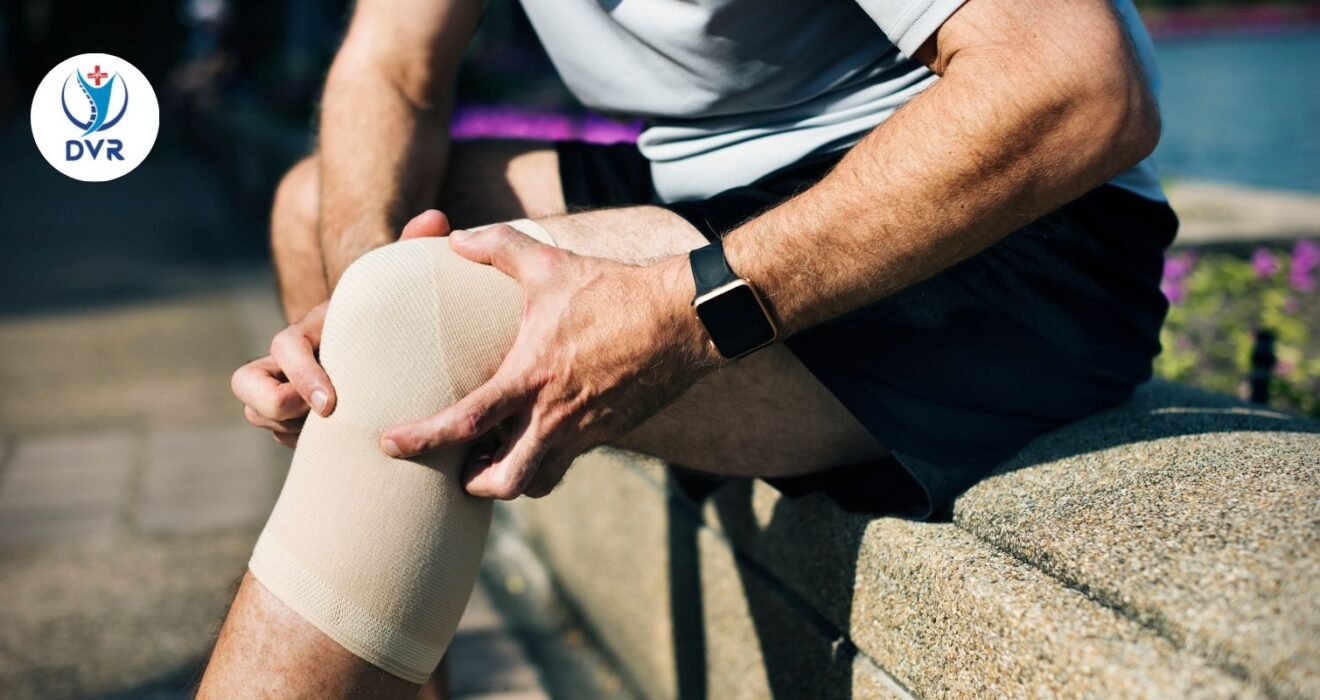
A swollen knee can be alarming—especially when there’s no obvious injury to explain it. Many people immediately associate knee swelling with sports injuries, falls, or accidents. However, swelling can occur even without trauma, and in such cases, it often points to underlying medical conditions that require attention.
If you’re experiencing persistent swelling, discomfort, or stiffness, understanding the possible causes is the first step toward proper care. Seeking knee pain treatment in narsingi at the right time can prevent complications and help restore mobility effectively.
Understanding Knee Swelling
Knee swelling occurs when excess fluid accumulates in or around the joint. This condition is medically referred to as “knee effusion” or commonly known as “water on the knee.” While injuries are a common cause, non-injury-related swelling often develops gradually and may be accompanied by other symptoms such as:
- Stiffness
- Reduced range of motion
- Warmth around the joint
- Pain or discomfort
- Difficulty walking or bending
When there is no injury involved, the swelling is usually linked to internal factors like inflammation, infection, or chronic conditions.
Common Causes of Swollen Knee Without Injury
1. Arthritis
Arthritis is one of the most common causes of knee swelling without any injury. It includes different types:
Osteoarthritis
This is a degenerative condition caused by wear and tear of the joint cartilage. It typically affects older adults and leads to gradual swelling, stiffness, and pain.
Rheumatoid Arthritis
An autoimmune condition where the body attacks its own joints, causing inflammation and swelling in both knees in many cases.
Gout
A type of arthritis caused by the buildup of uric acid crystals in the joint. It can lead to sudden and severe swelling.
If arthritis is suspected, consulting specialists for knee pain treatment in narsingi can help manage symptoms and slow disease progression.
2. Bursitis
Bursae are small fluid-filled sacs that cushion the knee joint. When these sacs become inflamed due to repetitive stress or prolonged pressure, it leads to bursitis.
Even without injury, activities like kneeling for long periods can cause this condition. Symptoms include:
- Localized swelling
- Tenderness
- Warmth
Early diagnosis through knee pain treatment in narsingi ensures effective relief and prevents chronic discomfort.
3. Infection (Septic Arthritis)
In some cases, swelling may be due to a bacterial infection inside the knee joint. This condition, known as septic arthritis, is serious and requires immediate medical attention.
Symptoms may include:
- Severe pain
- Fever
- Redness
- Warmth in the knee
If left untreated, it can damage the joint permanently. Seeking urgent knee pain treatment in narsingi is critical in such situations.
4. Meniscus Degeneration
The meniscus is cartilage that cushions the knee. While tears are usually injury-related, degeneration can occur with age, leading to swelling without any specific incident.
This condition may cause:
- Mild to moderate swelling
- Clicking or locking sensation
- Reduced mobility
Proper evaluation and knee pain treatment in narsingi can help manage symptoms and improve joint function.
5. Baker’s Cyst
A Baker’s cyst is a fluid-filled swelling that develops at the back of the knee. It often results from underlying conditions like arthritis or cartilage damage.
Symptoms include:
- Swelling behind the knee
- Tightness
- Difficulty bending the knee
Though not always painful, it can become uncomfortable and may require medical intervention.
6. Tendinitis
Tendinitis refers to inflammation of the tendons around the knee. It can develop due to overuse rather than a direct injury.
Common causes include:
- Repetitive movements
- Poor posture
- Muscle imbalance
This condition leads to swelling and discomfort, especially during movement. Early knee pain treatment in narsingi can help prevent worsening.
7. Obesity and Lifestyle Factors
Excess body weight puts additional stress on the knee joints, which can lead to inflammation and swelling over time—even without injury.
Sedentary lifestyles, poor posture, and lack of exercise also contribute to joint issues.
Lifestyle modification combined with professional knee pain treatment in narsingi can significantly improve knee health.
8. Blood Clots or Circulatory Issues
Though less common, swelling in the knee area may sometimes be related to circulation problems or blood clots. This is usually accompanied by swelling in the leg and requires urgent medical evaluation.
When Should You See a Doctor?
Not all knee swelling is serious, but certain signs indicate the need for immediate medical attention:
- Swelling that persists for several days
- Severe pain
- Inability to bear weight
- Fever or redness
- Sudden swelling without clear reason
Ignoring these symptoms may lead to long-term damage. Getting timely knee pain treatment in narsingi ensures accurate diagnosis and appropriate care.
Diagnosis of Knee Swelling
Doctors typically use a combination of methods to identify the cause:
- Physical examination
- Medical history review
- Imaging tests (X-rays, MRI)
- Blood tests
- Joint fluid analysis
An accurate diagnosis is essential for effective treatment and long-term relief.
Treatment Options
Treatment depends on the underlying cause of the swelling. Here are the most common approaches:
1. Medications
Anti-inflammatory drugs and pain relievers help reduce swelling and discomfort.
2. Physical Therapy
Exercises improve strength, flexibility, and joint stability.
3. Lifestyle Changes
Weight management, posture correction, and activity modification play a crucial role.
4. Fluid Drainage
In cases of excessive fluid buildup, doctors may drain the fluid to relieve pressure.
5. Surgery
In severe cases, surgical intervention may be required to repair damaged tissues.
Consulting experts for knee pain treatment in narsingi ensures that you receive personalized care tailored to your condition.
Home Remedies and Self-Care
While professional care is important, certain self-care practices can help manage mild swelling:
- Rest the knee
- Apply ice packs
- Elevate the leg
- Use compression bandages
- Avoid strenuous activities
However, if symptoms persist, it is essential to seek knee pain treatment in narsingi rather than relying solely on home remedies.
Preventing Knee Swelling
Prevention is always better than cure. Here are some practical tips:
- Maintain a healthy weight
- Stay physically active
- Strengthen leg muscles
- Avoid prolonged sitting or standing
- Use proper footwear
Regular check-ups and early intervention through knee pain treatment in narsingi can help maintain long-term joint health.
Swollen Knee Without Injury – What Could Be the Cause?
A swollen knee can be alarming—especially when there’s no obvious injury to explain it. Many people immediately associate knee swelling with sports injuries, falls, or accidents. However, swelling can occur even without trauma, and in such cases, it often points to underlying medical conditions that require attention.
If you’re experiencing persistent swelling, discomfort, or stiffness, understanding the possible causes is the first step toward proper care. Seeking knee pain treatment in narsingi at the right time can prevent complications and help restore mobility effectively.
Understanding Knee Swelling
Knee swelling occurs when excess fluid accumulates in or around the joint. This condition is medically referred to as “knee effusion” or commonly known as “water on the knee.” While injuries are a common cause, non-injury-related swelling often develops gradually and may be accompanied by other symptoms such as:
- Stiffness
- Reduced range of motion
- Warmth around the joint
- Pain or discomfort
- Difficulty walking or bending
When there is no injury involved, the swelling is usually linked to internal factors like inflammation, infection, or chronic conditions.
Common Causes of Swollen Knee Without Injury
1. Arthritis
Arthritis is one of the most common causes of knee swelling without any injury. It includes different types:
Osteoarthritis
This is a degenerative condition caused by wear and tear of the joint cartilage. It typically affects older adults and leads to gradual swelling, stiffness, and pain.
Rheumatoid Arthritis
An autoimmune condition where the body attacks its own joints, causing inflammation and swelling in both knees in many cases.
Gout
A type of arthritis caused by the buildup of uric acid crystals in the joint. It can lead to sudden and severe swelling.
If arthritis is suspected, consulting specialists for knee pain treatment in narsingi can help manage symptoms and slow disease progression.
2. Bursitis
Bursae are small fluid-filled sacs that cushion the knee joint. When these sacs become inflamed due to repetitive stress or prolonged pressure, it leads to bursitis.
Even without injury, activities like kneeling for long periods can cause this condition. Symptoms include:
- Localized swelling
- Tenderness
- Warmth
Early diagnosis through knee pain treatment in narsingi ensures effective relief and prevents chronic discomfort.
3. Infection (Septic Arthritis)
In some cases, swelling may be due to a bacterial infection inside the knee joint. This condition, known as septic arthritis, is serious and requires immediate medical attention.
Symptoms may include:
- Severe pain
- Fever
- Redness
- Warmth in the knee
If left untreated, it can damage the joint permanently. Seeking urgent knee pain treatment in narsingi is critical in such situations.
4. Meniscus Degeneration
The meniscus is cartilage that cushions the knee. While tears are usually injury-related, degeneration can occur with age, leading to swelling without any specific incident.
This condition may cause:
- Mild to moderate swelling
- Clicking or locking sensation
- Reduced mobility
Proper evaluation and knee pain treatment in narsingi can help manage symptoms and improve joint function.
5. Baker’s Cyst
A Baker’s cyst is a fluid-filled swelling that develops at the back of the knee. It often results from underlying conditions like arthritis or cartilage damage.
Symptoms include:
- Swelling behind the knee
- Tightness
- Difficulty bending the knee
Though not always painful, it can become uncomfortable and may require medical intervention.
6. Tendinitis
Tendinitis refers to inflammation of the tendons around the knee. It can develop due to overuse rather than a direct injury.
Common causes include:
- Repetitive movements
- Poor posture
- Muscle imbalance
This condition leads to swelling and discomfort, especially during movement. Early knee pain treatment in narsingi can help prevent worsening.
7. Obesity and Lifestyle Factors
Excess body weight puts additional stress on the knee joints, which can lead to inflammation and swelling over time—even without injury.
Sedentary lifestyles, poor posture, and lack of exercise also contribute to joint issues.
Lifestyle modification combined with professional knee pain treatment in narsingi can significantly improve knee health.
8. Blood Clots or Circulatory Issues
Though less common, swelling in the knee area may sometimes be related to circulation problems or blood clots. This is usually accompanied by swelling in the leg and requires urgent medical evaluation.
When Should You See a Doctor?
Not all knee swelling is serious, but certain signs indicate the need for immediate medical attention:
- Swelling that persists for several days
- Severe pain
- Inability to bear weight
- Fever or redness
- Sudden swelling without clear reason
Ignoring these symptoms may lead to long-term damage. Getting timely knee pain treatment in narsingi ensures accurate diagnosis and appropriate care.
Diagnosis of Knee Swelling
Doctors typically use a combination of methods to identify the cause:
- Physical examination
- Medical history review
- Imaging tests (X-rays, MRI)
- Blood tests
- Joint fluid analysis
An accurate diagnosis is essential for effective treatment and long-term relief.
Treatment Options
Treatment depends on the underlying cause of the swelling. Here are the most common approaches:
1. Medications
Anti-inflammatory drugs and pain relievers help reduce swelling and discomfort.
2. Physical Therapy
Exercises improve strength, flexibility, and joint stability.
3. Lifestyle Changes
Weight management, posture correction, and activity modification play a crucial role.
4. Fluid Drainage
In cases of excessive fluid buildup, doctors may drain the fluid to relieve pressure.
5. Surgery
In severe cases, surgical intervention may be required to repair damaged tissues.
Consulting experts for knee pain treatment in narsingi ensures that you receive personalized care tailored to your condition.
Home Remedies and Self-Care
While professional care is important, certain self-care practices can help manage mild swelling:
- Rest the knee
- Apply ice packs
- Elevate the leg
- Use compression bandages
- Avoid strenuous activities
However, if symptoms persist, it is essential to seek knee pain treatment in narsingi rather than relying solely on home remedies.
Preventing Knee Swelling
Prevention is always better than cure. Here are some practical tips:
- Maintain a healthy weight
- Stay physically active
- Strengthen leg muscles
- Avoid prolonged sitting or standing
- Use proper footwear
Regular check-ups and early intervention through knee pain treatment in narsingi can help maintain long-term joint health.
Sudden Knee Swelling Without Injury – Causes, Symptoms, and Treatment Options
Experiencing sudden knee swelling without any injury can be confusing and concerning. Many people assume that swelling only occurs after a fall, twist, or accident, but that’s not always the case. When your knee becomes swollen unexpectedly, it often signals an underlying medical condition that needs attention.
Ignoring such symptoms may lead to worsening discomfort or long-term joint damage. That’s why early diagnosis and timely knee pain treatment in narsingi play a crucial role in maintaining joint health and mobility.
What Is Sudden Knee Swelling?
Sudden knee swelling refers to rapid accumulation of fluid in or around the knee joint. This can develop within hours or over a day, even without any visible injury. The swelling may be accompanied by stiffness, warmth, or difficulty moving the knee.
In medical terms, this condition is often called “knee effusion.” While injuries are a common cause, non-injury-related swelling usually indicates inflammation, infection, or internal joint issues.
Seeking expert guidance for knee pain treatment in narsingi can help determine the exact cause and provide effective relief.
Common Causes of Sudden Knee Swelling Without Injury
1. Gout and Pseudogout
Gout is a condition caused by the accumulation of uric acid crystals in the joints. It can lead to sudden and severe swelling, often without any injury.
Pseudogout, a similar condition, occurs due to calcium crystal deposits.
Symptoms include:
- Rapid swelling
- Warmth in the knee
- Sudden stiffness
- Sometimes redness
Both conditions require proper diagnosis and management through knee pain treatment in narsingi to prevent recurring episodes.
2. Rheumatoid Arthritis
Rheumatoid arthritis is an autoimmune disorder where the immune system attacks joint tissues. It can cause sudden swelling even without trauma.
Key signs include:
- Swelling in both knees
- Morning stiffness
- Fatigue
- Joint tenderness
Early diagnosis and consistent knee pain treatment in narsingi can help control inflammation and improve quality of life.
3. Septic Arthritis (Joint Infection)
A bacterial infection in the knee joint can lead to rapid swelling and requires immediate medical attention.
Symptoms may include:
- Severe swelling
- Fever
- Intense warmth
- Difficulty moving the knee
This is a medical emergency. Immediate knee pain treatment in narsingi is essential to prevent permanent joint damage.
4. Reactive Arthritis
Reactive arthritis develops as a response to an infection elsewhere in the body, such as the urinary tract or digestive system.
It may cause:
- Sudden knee swelling
- Mild pain
- Eye or urinary symptoms
Timely knee pain treatment in narsingi helps manage symptoms and prevent complications.
5. Bursitis
Inflammation of the bursae (fluid-filled sacs around the knee) can lead to sudden swelling, even without injury.
Causes include:
- Repetitive movements
- Prolonged kneeling
- Minor irritation
Symptoms often include localized swelling and tenderness. Early knee pain treatment in narsingi can provide relief and prevent chronic issues.
6. Osteoarthritis Flare-Ups
Although osteoarthritis develops gradually, it can sometimes cause sudden swelling during flare-ups.
Triggers may include:
- Overuse
- Weather changes
- Increased physical activity
Managing these flare-ups through knee pain treatment in narsingi can help reduce inflammation and maintain joint function.
7. Blood Disorders or Clotting Issues
Certain blood-related conditions can cause swelling in the knee area without injury. In rare cases, internal bleeding within the joint may occur.
Signs to watch for:
- Sudden swelling
- Bruising
- Limited movement
Immediate medical evaluation and knee pain treatment in narsingi are necessary in such cases.
8. Allergic or Inflammatory Reactions
Sometimes, the body reacts to medications, infections, or other triggers, leading to inflammation and swelling in the joints.
Though less common, this can result in:
- Rapid swelling
- Mild discomfort
- No clear injury
Proper diagnosis through knee pain treatment in narsingi ensures the correct approach to treatment.
Symptoms to Watch For
Sudden knee swelling without injury may present with various symptoms, including:
- Visible enlargement of the knee
- Stiffness or tightness
- Warmth around the joint
- Difficulty bending or straightening
- Reduced mobility
In some cases, pain may be mild or absent initially. Even then, seeking knee pain treatment in narsingi is important to avoid complications.
When Should You Seek Medical Help?
While mild swelling may resolve on its own, certain symptoms require immediate attention:
- Swelling that appears suddenly and worsens quickly
- Fever along with knee swelling
- Inability to bear weight
- Redness or intense warmth
- Swelling that doesn’t improve within a few days
Delaying treatment can lead to long-term joint damage. Consulting specialists for knee pain treatment in narsingi ensures timely care and recovery.
Diagnosis of Sudden Knee Swelling
To determine the cause, doctors may recommend:
- Physical examination
- Blood tests
- Imaging tests like X-rays or MRI
- Joint fluid analysis
These diagnostic methods help identify infections, inflammation, or structural issues. Clinics offering knee pain treatment in narsingi provide comprehensive evaluation for accurate diagnosis.
Treatment Options
Treatment depends on the underlying cause of the swelling. Common approaches include:
1. Medications
Anti-inflammatory drugs, antibiotics (for infections), or medications for gout may be prescribed.
2. Joint Fluid Drainage
Removing excess fluid can relieve pressure and improve movement.
3. Physical Therapy
Strengthening exercises help restore mobility and prevent stiffness.
4. Lifestyle Modifications
Maintaining a healthy weight and avoiding strain on the knee are essential.
5. Advanced Treatments
In severe cases, procedures or surgeries may be required.
Personalized care through knee pain treatment in narsingi ensures effective and long-lasting results.
Home Care and Immediate Relief
For mild cases, you can try the following:
- Rest your knee
- Apply ice packs
- Elevate the leg
- Use compression wraps
These methods may reduce swelling temporarily. However, persistent symptoms require professional knee pain treatment in narsingi for proper management.
Preventing Sudden Knee Swelling
Preventive measures can reduce the risk of unexpected swelling:
- Stay physically active
- Maintain a healthy weight
- Avoid overuse of the knee
- Strengthen surrounding muscles
- Manage underlying health conditions
Regular check-ups and early intervention through knee pain treatment in narsingi can help detect issues before they worsen.
Final Thoughts
Sudden knee swelling without injury should never be ignored. It may be a sign of conditions such as arthritis, infection, or metabolic disorders. Even if the swelling seems mild at first, it can progress if left untreated.
Understanding the possible causes and recognizing warning signs are key to protecting your joint health. Early diagnosis, proper care, and lifestyle adjustments can make a significant difference.
If you notice unexpected swelling in your knee, seeking expert knee pain treatment in narsingi is the best step toward recovery. With the right approach, you can regain mobility, reduce inflammation, and maintain a healthy, active lifestyle.
Contact Us:
Follow Us On Instagram : https://www.instagram.com/dvrhospital/
Follow Us On Facebook : https://www.facebook.com/people/DVR-Hospital-Diagnostics/61580485479021
Call us on : 093910 29909