
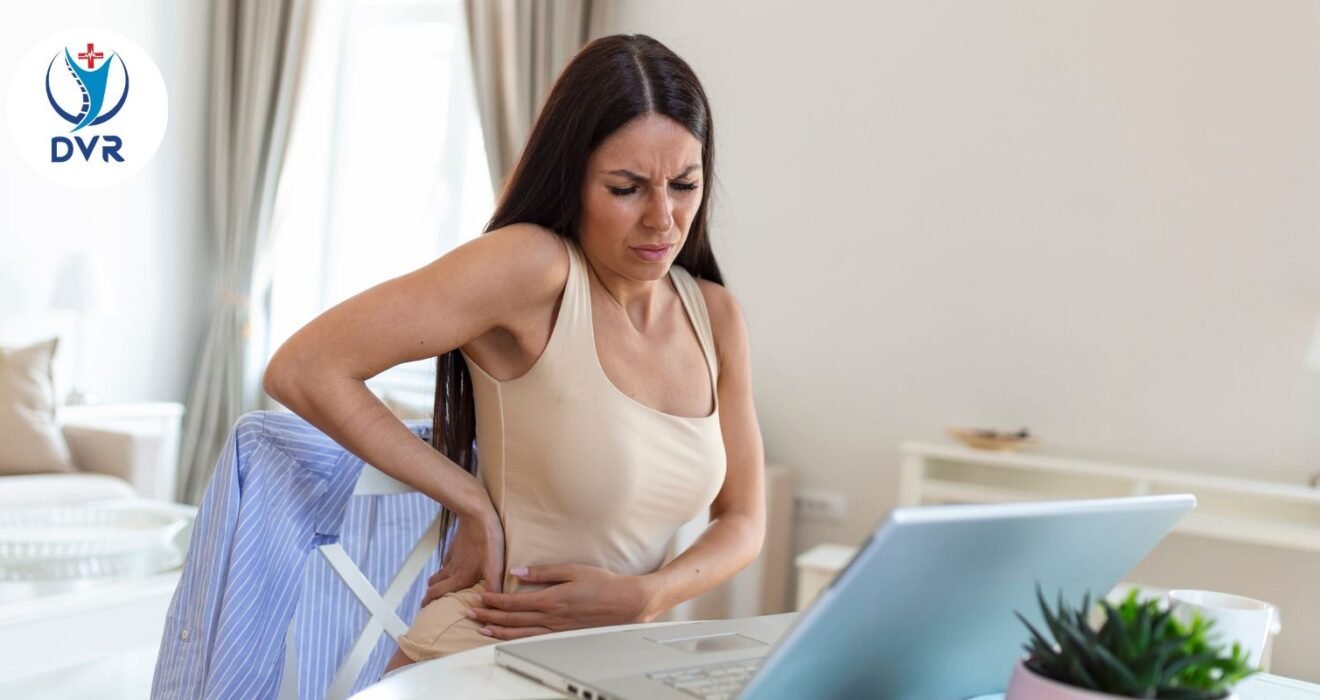
Hip Pain After Long Sitting Hours: Causes, Prevention, and When to See an Expert
Modern lifestyles have made prolonged sitting almost unavoidable. Whether you are working on a computer, commuting long distances, or spending hours scrolling on your phone, your hips remain in a fixed position for extended periods. Over time, this habit can lead to stiffness, discomfort, and even chronic hip pain. Many people ignore these early warning signs until the pain becomes severe enough to interfere with daily activities.
Hip pain after long sitting hours is becoming increasingly common among office workers, students, and even young professionals. Understanding the causes, recognizing early symptoms, and seeking timely help from an orthopedic specialist in narsingi can prevent minor discomfort from turning into a serious condition.
Why Sitting for Long Hours Causes Hip Pain
When you sit for long periods, your hip flexor muscles remain shortened and inactive. These muscles connect the lower spine to the thighs and play a key role in movement and posture. Remaining seated for too long causes these muscles to tighten, reducing flexibility and increasing strain on surrounding joints.
Additionally, prolonged sitting reduces blood circulation around the hip joints and pelvis. Lack of movement causes stiffness in muscles and ligaments, making it painful when you stand or start walking again.
Another factor is poor posture. Slouching, leaning forward, or sitting without proper back support can shift body weight unevenly across the hips. Over time, this imbalance leads to pressure on the hip joints and can contribute to pain.
If this discomfort continues for weeks or months, consulting an orthopedic specialist in narsingi can help identify the root cause and provide the right treatment plan.
Common Symptoms of Hip Pain from Sitting
Hip pain caused by prolonged sitting may start subtly but gradually worsen if ignored. Some common symptoms include:
- Stiffness in the hip joint after sitting for long periods
- Pain when standing up after sitting
- A dull ache in the outer hip or groin area
- Reduced flexibility in the hips
- Difficulty walking or climbing stairs
- Pain spreading to the lower back or thighs
These symptoms often appear mild at first, but persistent pain should not be overlooked. Early evaluation by an orthopedic specialist in narsingi can help prevent complications such as chronic inflammation or joint degeneration.
How Poor Ergonomics Contribute to Hip Pain
Workplace ergonomics play a major role in musculoskeletal health. Many office chairs and desks are not designed to support proper posture. Sitting with knees higher than hips, leaning forward toward the screen, or using a chair without lumbar support increases stress on the hips and spine.
Improper workstation setup can also cause the pelvis to tilt forward, which strains the hip flexor muscles. Over time, this repetitive stress may lead to discomfort and inflammation in the hip joint.
Making small ergonomic adjustments—such as adjusting chair height, using a footrest, and keeping the screen at eye level—can significantly reduce hip strain. However, if pain persists despite these changes, it is advisable to consult an orthopedic specialist in narsingi for professional assessment.
Lifestyle Factors That Increase the Risk
Several lifestyle habits can make hip pain from sitting worse:
Lack of Physical Activity:
A sedentary lifestyle weakens the muscles supporting the hips and pelvis. Weak muscles struggle to stabilize the joint, increasing the risk of pain.
Excess Body Weight:
Extra weight places additional pressure on hip joints, especially when sitting for extended periods.
Poor Posture Habits:
Consistently sitting in awkward positions can strain muscles and ligaments around the hip.
Inadequate Stretching:
Without regular stretching, hip flexors become tight and lose flexibility.
If these factors are present, consulting an orthopedic specialist in narsingi can help develop a personalized approach to managing and preventing hip discomfort.
Simple Ways to Prevent Hip Pain
Preventing hip pain often involves making small but consistent changes to daily habits.
Take Regular Breaks
Stand up and move around every 30 to 45 minutes. Even a short walk can improve blood circulation and reduce stiffness.
Stretch Your Hip Muscles
Simple stretches targeting the hip flexors, glutes, and hamstrings can improve flexibility and relieve tension.
Improve Sitting Posture
Sit with your back straight, shoulders relaxed, and feet flat on the floor. Your hips should be slightly higher than your knees.
Use an Ergonomic Chair
A chair with proper lumbar support can help maintain the natural curve of your spine and reduce pressure on the hips.
Stay Physically Active
Regular exercise strengthens muscles around the hip joint and improves mobility.
Despite these preventive measures, some individuals may continue experiencing discomfort. In such cases, seeking guidance from an orthopedic specialist in narsingi ensures accurate diagnosis and effective treatment.
When Hip Pain Requires Medical Attention
While occasional stiffness after sitting is common, persistent pain may indicate an underlying issue. Conditions such as hip bursitis, arthritis, tendonitis, or muscle strain can develop if the joint experiences prolonged stress.
You should consider consulting an orthopedic specialist in narsingi if you notice:
- Pain lasting more than a few weeks
- Swelling or tenderness around the hip
- Difficulty moving the hip joint
- Pain that worsens with activity
- Pain interfering with sleep or daily tasks
An orthopedic expert can evaluate joint mobility, review imaging if needed, and recommend treatments ranging from physical therapy to lifestyle modifications.
Treatment Options for Hip Pain
Treatment for hip pain depends on the underlying cause. An experienced orthopedic specialist in narsingi may suggest several approaches, including:
Physical Therapy
Therapeutic exercises strengthen hip muscles and improve flexibility, helping reduce stiffness and support better joint movement.
Medication
Anti-inflammatory medications may help reduce pain and swelling associated with hip discomfort.
Posture Correction Programs
Guidance on improving posture and workstation ergonomics can prevent recurrence and reduce strain on the hips.
Lifestyle Adjustments
Weight management, regular movement, and proper stretching routines are often recommended to maintain healthy joints.
In severe cases involving structural joint problems, advanced treatments may be considered, and an orthopedic specialist in narsingi can evaluate the condition to recommend the most suitable treatment plan.
Long-Term Joint Health
Maintaining healthy hips is essential for overall mobility and quality of life. Simple daily practices such as stretching, staying active, and avoiding prolonged sitting can make a significant difference.
Ignoring persistent discomfort can lead to long-term joint issues. Early intervention by an orthopedic specialist in narsingi ensures proper diagnosis and timely care, helping you stay active and pain-free.
As work habits continue to involve long hours of sitting, prioritizing hip health becomes increasingly important. Listening to your body, adopting healthy posture habits, and seeking expert advice when necessary can prevent minor aches from becoming major orthopedic problems.
Understanding Hip Pain from Prolonged Sitting and How to Manage It Effectively
In today’s digital age, many people spend most of their day sitting. Office jobs, online meetings, long commutes, and screen time have significantly increased the number of hours people remain seated. While sitting may seem harmless, staying in the same position for extended periods can place excessive strain on the hips and surrounding muscles. Over time, this can lead to stiffness, discomfort, and persistent hip pain.
Hip pain caused by prolonged sitting is a common complaint among professionals, students, and remote workers. The hips are one of the body’s largest and most important joints, responsible for supporting body weight and enabling movement. When they remain inactive for long periods, muscle tightness and joint stress can occur.
If this type of discomfort becomes frequent, consulting an orthopedic specialist in narsingi can help determine the underlying cause and guide you toward effective treatment.
The Role of the Hip Joint in Daily Movement
The hip joint is a ball-and-socket joint that connects the thigh bone to the pelvis. This structure allows a wide range of movement including walking, bending, sitting, and rotating the legs. Because the hips bear much of the body’s weight, they are constantly working to maintain balance and mobility.
However, when you sit for long hours, the natural function of the hip joint becomes restricted. The muscles surrounding the joint remain inactive, and the hip flexors stay in a shortened position. Over time, this can lead to muscle tightness and reduced flexibility. If this stiffness or discomfort continues, consulting an orthopedic specialist in narsingi can help evaluate the condition and recommend appropriate treatment.
Many individuals only notice the problem when they stand up after sitting for a long time and experience stiffness or pain. In such cases, evaluation by an orthopedic specialist in narsingi can help identify whether the discomfort is caused by muscle strain, joint stress, or another orthopedic condition.
How Prolonged Sitting Affects Hip Muscles
When the body stays seated for extended periods, several muscle groups around the hips become affected. The hip flexors, gluteal muscles, and hamstrings all play important roles in hip stability and movement.
Tight Hip Flexors
Hip flexors are responsible for lifting the knees and bending at the waist. Long sitting hours keep these muscles contracted, leading to tightness and limited movement.
Weak Gluteal Muscles
The glute muscles help stabilize the pelvis and support proper posture. Prolonged inactivity weakens these muscles, which can increase stress on the hip joints.
Reduced Blood Circulation
Sitting for long periods slows down circulation in the lower body, causing stiffness and fatigue in the hips and thighs.
When these issues persist, seeking advice from an orthopedic specialist in narsingi can help restore mobility and prevent further complications.
Early Signs That Should Not Be Ignored
Hip pain related to prolonged sitting often develops gradually. Recognizing early symptoms can help prevent the condition from worsening.
Some common warning signs include:
- A dull ache around the hip joint
- Tightness in the hip area after sitting
- Difficulty standing up after long sitting periods
- Reduced flexibility while walking or stretching
- Mild pain in the groin or outer hip
Ignoring these symptoms can lead to chronic discomfort and reduced mobility. Consulting an orthopedic specialist in narsingi at an early stage allows for proper diagnosis and timely intervention.
The Impact of Poor Sitting Posture
Posture plays a crucial role in maintaining joint health. Many people unknowingly adopt positions that put excessive strain on their hips. Slouching, leaning forward, or crossing legs for extended periods can create uneven pressure on the hip joints.
Improper posture can also cause the pelvis to tilt forward, which increases tension in the hip flexor muscles. This imbalance may lead to pain that spreads to the lower back and thighs.
Using an ergonomic chair, maintaining proper posture, and adjusting your workspace can significantly reduce the risk of hip discomfort. If posture correction alone does not relieve the pain, it may be beneficial to consult an orthopedic specialist in narsingi for professional guidance.
Daily Habits That May Worsen Hip Pain
Several lifestyle factors can increase the likelihood of hip pain after long sitting hours. Understanding these factors and addressing them early can help prevent long-term joint discomfort.
Sedentary Lifestyle
Limited physical activity weakens the muscles that support the hip joint, reducing stability and increasing the chances of stiffness and pain. If this discomfort becomes frequent, consulting an orthopedic specialist in narsingi can help identify the underlying issue and guide proper treatment.
Lack of Stretching
Without regular stretching, muscles around the hips lose flexibility and gradually become tight. This tightness can lead to restricted movement and discomfort. In such cases, an orthopedic specialist in narsingi can recommend appropriate stretching routines and exercises to improve flexibility.
Extended Screen Time
Working or studying for long hours without breaks often leads to prolonged inactivity. This limits blood circulation in the lower body and causes stiffness in the hips and surrounding muscles.
Improper Workstation Setup
Incorrect desk height, poor chair support, or poorly positioned screens can strain the hips and spine, leading to posture-related pain.
Addressing these habits is an important step in preventing hip discomfort. However, if pain continues despite lifestyle changes, consulting an orthopedic specialist in narsingi can help determine the most appropriate treatment and prevent further complications.
Effective Ways to Relieve Hip Pain
There are several strategies that can help reduce hip pain caused by prolonged sitting.
Frequent Movement Breaks
Standing up and walking every 30 to 40 minutes helps maintain circulation and prevents stiffness.
Stretching Exercises
Gentle stretches targeting the hip flexors, glutes, and hamstrings can relieve tension and improve flexibility.
Strengthening Exercises
Building strength in the glutes and core muscles provides better support for the hip joints.
Improved Ergonomics
Using adjustable chairs and maintaining correct posture reduces pressure on the hips.
If these measures do not provide relief, an orthopedic specialist in narsingi can evaluate your condition and recommend targeted treatments.
Medical Conditions Linked to Hip Pain
In some cases, prolonged sitting can aggravate underlying orthopedic conditions. These may include:
Hip Bursitis
Inflammation of the fluid-filled sacs that cushion the hip joint.
Tendonitis
Overuse or strain of tendons surrounding the hip.
Arthritis
Degeneration of joint cartilage leading to stiffness and pain.
Muscle Strain
Excessive stress on muscles due to poor posture or inactivity.
A detailed assessment by an orthopedic specialist in narsingi can help identify these conditions and guide appropriate treatment options.
When to Seek Professional Help
While occasional hip stiffness may not be serious, certain symptoms indicate the need for medical attention. You should consider consulting an orthopedic specialist in narsingi if you experience:
- Persistent hip pain lasting several weeks
- Difficulty walking or climbing stairs
- Swelling or tenderness around the hip joint
- Pain that interferes with sleep or daily activities
- Limited range of motion in the hip
Early diagnosis helps prevent long-term complications and improves recovery outcomes.
Treatment Approaches for Long-Term Relief
Treatment for hip pain varies depending on the underlying cause and severity of the condition. An experienced orthopedic specialist in narsingi may recommend several approaches.
Physical Therapy Programs
Customized exercises improve strength, flexibility, and joint stability, helping the hip joint function more effectively.
Medication for Pain Management
Anti-inflammatory medications may help reduce swelling and discomfort associated with hip pain.
Postural Training
Learning correct posture can prevent recurring hip strain and reduce stress on the hip joints.
Lifestyle Modifications
Incorporating regular movement, stretching, and physical activity supports joint health and prevents stiffness caused by prolonged sitting.
These treatments aim to restore mobility, reduce pain, and prevent future issues. For proper diagnosis and a tailored treatment plan, consulting an orthopedic specialist in narsingi is highly recommended.
Maintaining Healthy Hips in a Sedentary World
As modern lifestyles continue to involve long hours of sitting, maintaining hip health has become increasingly important. Regular exercise, stretching, and mindful posture can help keep joints flexible and strong.
Small daily changes—such as standing periodically, walking during breaks, and performing hip stretches—can significantly reduce the risk of discomfort. Paying attention to early warning signs and seeking timely help from an orthopedic specialist in narsingi can also prevent minor problems from developing into serious orthopedic conditions.
Protecting your hips today ensures better mobility and comfort in the future. By staying active and maintaining proper posture, you can reduce the impact of prolonged sitting and support long-term joint health.
Why Long Sitting Hours Lead to Hip Pain and What You Can Do About It
In modern work environments, sitting for long hours has become a daily routine for many people. From office professionals and students to freelancers and remote workers, a large portion of the population spends most of their day seated. While this lifestyle may seem normal, it can have a significant impact on the body—especially on the hips. If discomfort begins to appear frequently, consulting an orthopedic specialist in narsingi can help identify the early signs and prevent the condition from worsening.
Hip pain after prolonged sitting is a common issue that many individuals experience but often ignore. The hip joint plays a crucial role in supporting body weight and enabling movement. When it remains inactive for extended periods, stiffness, muscle tightness, and joint discomfort can develop. Over time, this may lead to persistent pain and reduced mobility, making it important to seek guidance from an orthopedic specialist in narsingi for proper diagnosis and treatment.
Understanding why this happens and how to prevent it is essential. If hip discomfort continues or becomes severe, consulting an orthopedic specialist in narsingi can help identify the underlying cause and provide effective treatment.
How Sitting for Long Hours Affects Your Hips
The human body is designed for movement. When we sit for extended periods, several muscles and joints remain inactive, leading to physical strain. The hips are particularly vulnerable because they support the upper body and connect the spine to the legs.
When you sit, the hip flexor muscles remain in a shortened position. These muscles are responsible for lifting the legs and bending the torso. Remaining in this position for hours causes the muscles to tighten and lose flexibility. As a result, when you stand or walk, you may feel stiffness or discomfort in the hip area.
Prolonged sitting also weakens the gluteal muscles, which play a major role in stabilizing the hips and pelvis. Weak glutes force other muscles and joints to compensate, which can lead to pain.
If these issues persist, an orthopedic specialist in narsingi can assess muscle balance, joint mobility, and overall hip health to determine the best course of action.
The Connection Between Hip Pain and Modern Work Culture
The rise of desk-based jobs has significantly increased the number of people experiencing hip pain. Many employees spend eight to ten hours a day sitting at a desk, often without proper posture or ergonomic support. When this discomfort becomes frequent, consulting an orthopedic specialist in narsingi can help identify the cause and provide appropriate guidance.
Long meetings, extended computer work, and minimal movement during the day contribute to muscle stiffness and joint stress. In addition, remote work has reduced the natural movement that people used to have in offices, such as walking to meetings or commuting. If hip pain continues to worsen, an orthopedic specialist in narsingi can recommend treatment options and preventive strategies to improve joint health.
This shift in work habits has made hip pain more common among younger adults as well. If these symptoms continue to interfere with daily life, consulting an orthopedic specialist in narsingi can help prevent the condition from worsening.
Common Symptoms Associated with Prolonged Sitting
Hip pain caused by long sitting hours often develops gradually. Recognizing early symptoms can help prevent long-term problems.
Some of the most common symptoms include:
- Stiffness in the hip joint after sitting
- Pain when standing up after long periods of sitting
- A dull ache in the hip or groin area
- Tightness in the front of the hips
- Difficulty walking after prolonged inactivity
- Pain spreading to the lower back or thighs
These symptoms may initially appear mild but can worsen over time if the underlying cause is not addressed. Seeking guidance from an orthopedic specialist in narsingi ensures that the condition is properly evaluated and managed.
How Poor Posture Contributes to Hip Pain
Posture plays a major role in joint health. Many people unknowingly adopt positions that place unnecessary strain on the hips. Slouching, leaning forward, or sitting with crossed legs can shift body weight unevenly across the pelvis.
When posture is incorrect, the pelvis may tilt forward or backward, affecting the alignment of the hip joint. This imbalance increases pressure on muscles, ligaments, and joints, leading to discomfort.
Over time, poor posture can also affect the spine and lower back, further contributing to hip pain. If posture correction alone does not resolve the issue, an orthopedic specialist in narsingi can provide guidance on posture training and corrective exercises.
Risk Factors That Increase Hip Pain
While prolonged sitting is a primary cause, several additional factors can increase the likelihood of developing hip pain.
Lack of Physical Activity
When muscles around the hips are not regularly used, they weaken and lose flexibility.
Improper Seating Arrangements
Chairs without adequate lumbar support can affect posture and increase stress on the hips.
Excess Weight
Carrying extra body weight places additional pressure on hip joints.
Limited Stretching or Exercise
Without regular stretching, muscles become tight and less capable of supporting the joint.
Addressing these factors early can reduce the risk of chronic hip pain. If discomfort persists, consulting an orthopedic specialist in narsingi can help identify the root cause and create a personalized treatment plan.
Simple Exercises to Relieve Hip Pain
Incorporating simple exercises into your daily routine can help relieve tension in the hips and improve flexibility. If discomfort continues despite regular exercise, consulting an orthopedic specialist in narsingi can help identify the exact cause and guide the right treatment.
Hip Flexor Stretch
This stretch helps loosen tight hip flexor muscles caused by prolonged sitting.
Glute Bridges
Strengthening the glutes improves hip stability and reduces pressure on the joints.
Seated Hip Rotations
Gentle rotations increase mobility in the hip joint and reduce stiffness.
Standing Leg Swings
These movements improve circulation and activate muscles that support the hips.
While exercises can be beneficial, persistent or worsening pain should be evaluated by an orthopedic specialist in narsingi to ensure there are no underlying orthopedic conditions.
The Importance of Taking Movement Breaks
One of the most effective ways to prevent hip pain is to take regular breaks from sitting. Even short breaks can make a big difference in maintaining joint health.
Experts recommend standing up, stretching, or walking every 30 to 45 minutes. These brief activities improve blood circulation and prevent muscles from becoming stiff.
Simple habits such as using a standing desk, taking walking meetings, or stretching during work breaks can help keep the hips active and flexible.
If discomfort continues despite these changes, an orthopedic specialist in narsingi can provide professional advice and treatment options.
When Hip Pain Indicates a Medical Condition
In some cases, hip pain from prolonged sitting may be linked to underlying medical conditions. These can include bursitis, tendon inflammation, muscle strain, or early signs of arthritis.
Ignoring persistent pain may allow these conditions to worsen over time. An evaluation by an orthopedic specialist in narsingi can help identify the exact cause and ensure appropriate treatment is provided.
Medical imaging, physical examinations, and mobility tests may be used to diagnose the issue accurately.
Treatment Options for Persistent Hip Pain
Treatment for hip pain varies depending on the cause and severity of the condition. An experienced orthopedic specialist in narsingi may recommend several treatment methods.
Physical Therapy
Structured exercise programs help strengthen muscles, improve joint flexibility, and support better hip movement. A personalized rehabilitation plan recommended by an orthopedic specialist in narsingi can help speed up recovery and reduce recurring pain.
Pain Management Techniques
Anti-inflammatory medications or other therapies may help reduce pain and swelling in the hip joint.
Postural Correction
Learning proper sitting posture can prevent recurring strain on the hips and reduce pressure on surrounding muscles and joints.
Lifestyle Modifications
Incorporating regular movement, stretching, and exercise supports long-term hip health and prevents stiffness caused by prolonged sitting.
These approaches aim to relieve pain, restore mobility, and prevent future joint problems. For proper diagnosis and a personalized treatment plan, consulting an orthopedic specialist in narsingi is an important step toward long-term relief.
Protecting Your Hips for the Future
Maintaining hip health is essential for staying active and mobile throughout life. As modern lifestyles continue to involve long hours of sitting, it becomes increasingly important to adopt habits that support joint health.
Simple practices such as stretching regularly, improving posture, and staying physically active can greatly reduce the risk of hip pain. Listening to your body and addressing discomfort early can prevent minor issues from becoming serious orthopedic conditions.
If hip pain persists despite lifestyle changes, consulting an orthopedic specialist in narsingi ensures accurate diagnosis and effective treatment. Taking proactive steps today can help maintain healthy hips and support a comfortable, active lifestyle for years to come.
Contact Us:
Follow Us On Instagram : https://www.instagram.com/dvrhospital/
Follow Us On Facebook : https://www.facebook.com/people/DVR-Hospital-Diagnostics/61580485479021
Call us on : 093910 29909