
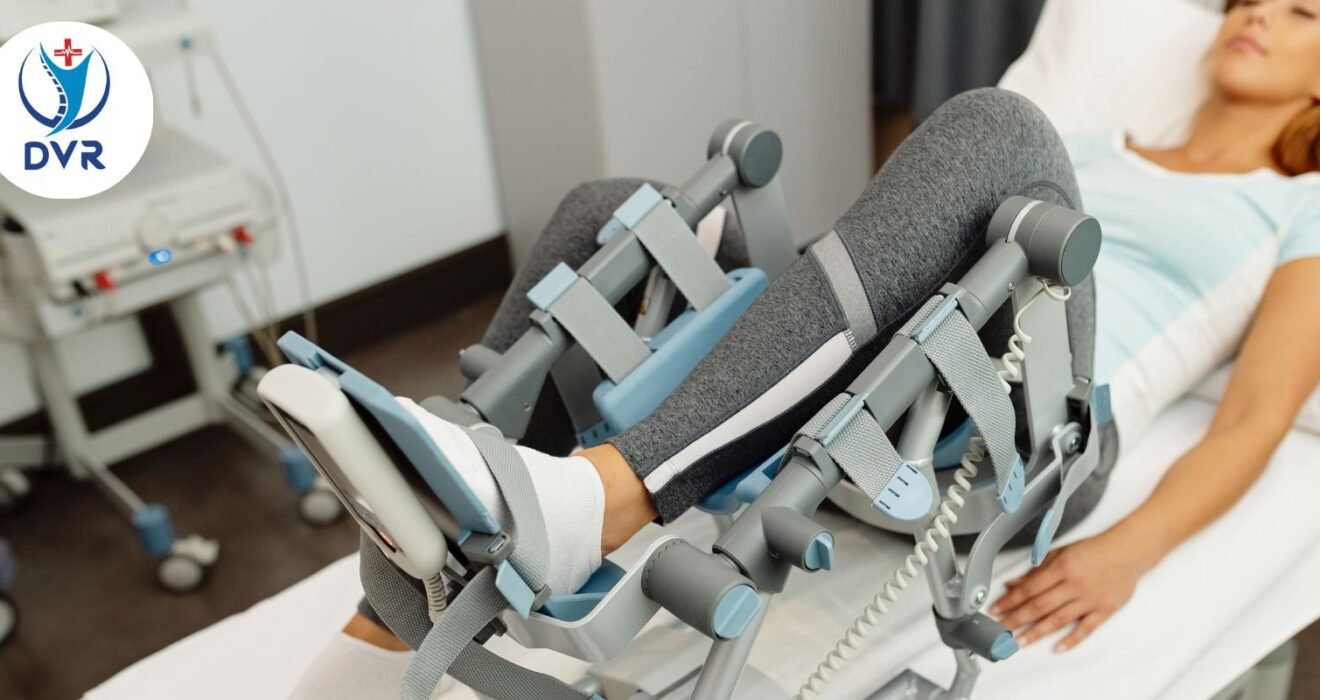
Robotic Knee Replacement – Benefits and Recovery
Knee pain is one of the most common orthopedic problems affecting people of all ages, especially older adults. Conditions such as osteoarthritis, rheumatoid arthritis, joint degeneration, and severe knee injuries can significantly impact mobility and quality of life. When conservative treatments such as medications, physiotherapy, injections, and lifestyle modifications no longer provide relief, knee replacement surgery may become necessary.
In recent years, robotic knee replacement has emerged as an advanced surgical option that offers greater precision and improved outcomes compared to traditional techniques. This innovative technology helps surgeons plan and perform knee replacement procedures with enhanced accuracy, allowing for better implant positioning and personalized treatment.
Patients experiencing chronic knee pain often search for the orthopeadics near me to explore advanced treatment options such as robotic knee replacement. Understanding the benefits, procedure, recovery process, and expected outcomes can help patients make informed healthcare decisions.
What Is Robotic Knee Replacement?
Robotic knee replacement is an advanced form of joint replacement surgery that utilizes robotic-assisted technology to improve surgical precision.
Contrary to common belief, the robot does not perform the surgery independently. The orthopedic surgeon remains in complete control throughout the procedure while using robotic assistance for planning and execution.
The technology helps surgeons:
- Create a personalized surgical plan
- Improve implant positioning
- Preserve healthy bone tissue
- Enhance alignment accuracy
- Improve overall surgical outcomes
Many patients choose robotic-assisted surgery after consulting the orthopeadics near me because of its potential benefits and improved recovery experience.
Orthopeadics Near Me: Who Needs Robotic Knee Replacement?
Robotic knee replacement may be recommended for individuals suffering from severe knee joint damage.
Common Conditions That May Require Surgery
Osteoarthritis
The most common reason for knee replacement surgery.
Rheumatoid Arthritis
An autoimmune condition that causes joint inflammation and damage.
Post-Traumatic Arthritis
Joint degeneration resulting from previous injuries.
Severe Cartilage Damage
Progressive wear and tear affecting knee function.
Symptoms That May Indicate the Need for Surgery
- Persistent knee pain
- Difficulty walking
- Joint stiffness
- Reduced mobility
- Swelling around the knee
- Pain during daily activities
Patients experiencing these symptoms frequently consult the orthopeadics near me to determine whether robotic knee replacement is appropriate.
How Robotic Knee Replacement Works
The procedure begins with detailed imaging and surgical planning.
Step 1: Preoperative Assessment
Advanced imaging techniques create a three-dimensional model of the knee joint.
Step 2: Personalized Surgical Planning
The surgeon develops a customized surgical approach based on the patient’s anatomy.
Step 3: Robotic-Assisted Surgery
During surgery, robotic technology provides real-time guidance to improve accuracy.
Step 4: Implant Placement
The implant is positioned according to the personalized surgical plan.
This level of precision helps optimize joint function and improve long-term outcomes.
Orthopeadics Near Me: Key Benefits of Robotic Knee Replacement
Robotic-assisted technology offers several advantages over conventional knee replacement techniques.
Improved Surgical Precision
One of the biggest benefits is enhanced accuracy during implant placement.
Better Joint Alignment
Precise alignment improves joint mechanics and function.
Personalized Treatment
Each procedure is customized according to the patient’s anatomy.
Reduced Damage to Healthy Tissue
The technology helps preserve surrounding structures.
Enhanced Implant Longevity
Proper positioning may contribute to longer-lasting implants.
These benefits have made robotic knee replacement increasingly popular among patients seeking treatment from the orthopeadics near me.
Greater Accuracy Compared to Traditional Surgery
Traditional knee replacement procedures rely heavily on manual measurements and surgical experience.
Robotic technology enhances precision by:
- Providing real-time feedback
- Assisting with implant positioning
- Improving alignment
- Reducing variability
Even small improvements in alignment can significantly impact long-term joint function and patient satisfaction.
Reduced Postoperative Pain
Many patients report lower levels of postoperative discomfort after robotic-assisted procedures.
Potential reasons include:
- Less soft tissue disruption
- More precise bone preparation
- Improved implant placement
Reduced pain often supports a smoother recovery experience.
Faster Recovery and Rehabilitation
One of the most attractive benefits of robotic knee replacement is the potential for faster recovery.
Advantages During Recovery
- Earlier mobility
- Improved walking ability
- Reduced hospital stay
- Faster return to daily activities
Recovery experiences vary among individuals, but many patients achieve functional improvements relatively quickly.
Orthopeadics Near Me: Understanding the Recovery Process
Recovery plays a critical role in achieving successful surgical outcomes.
Immediate Recovery
Patients are often encouraged to begin moving the knee shortly after surgery.
Early Rehabilitation
Physical therapy typically starts within the first few days.
Progressive Strengthening
Exercises gradually improve strength, flexibility, and mobility.
Long-Term Recovery
Most patients continue improving for several months after surgery.
Individuals undergoing robotic knee replacement often receive detailed rehabilitation guidance from the orthopeadics near me to maximize results.
What to Expect During the First Few Weeks
The initial recovery phase focuses on healing and mobility.
Common Experiences
- Mild swelling
- Temporary discomfort
- Improved joint stability
- Gradual increase in walking ability
Patients should follow their surgeon’s recommendations closely during this period.
Physical Therapy After Robotic Knee Replacement
Physical therapy is a crucial component of recovery.
Goals of Rehabilitation
- Restore knee motion
- Improve strength
- Enhance balance
- Improve walking mechanics
- Support functional independence
Consistency with therapy significantly influences recovery outcomes.
Factors That Influence Recovery Speed
Several factors affect recovery following robotic knee replacement.
Age
Younger individuals often recover more quickly.
Overall Health
Good general health supports healing.
Preoperative Fitness
Stronger muscles can facilitate rehabilitation.
Commitment to Therapy
Active participation in rehabilitation is essential.
Surgical Technique
Advanced robotic technology may contribute to improved recovery experiences.
Orthopeadics Near Me: Risks and Considerations
Like all surgical procedures, robotic knee replacement carries certain risks.
Potential Complications
- Infection
- Blood clots
- Implant loosening
- Joint stiffness
- Nerve injury
- Persistent pain
Although complications are uncommon, discussing risks with the orthopeadics near me helps patients make informed decisions.
How Long Does a Robotic Knee Replacement Last?
Modern knee implants are designed to provide long-term function.
Many implants can last:
- 15 years
- 20 years
- Sometimes longer with proper care
Factors influencing longevity include:
- Activity level
- Weight management
- Implant quality
- Surgical accuracy
The precise implant placement achieved through robotic technology may contribute to longer implant survival.
Lifestyle Tips After Knee Replacement
Maintaining joint health after surgery is important.
Stay Active
Regular low-impact exercise supports mobility.
Maintain a Healthy Weight
Reducing excess weight decreases stress on the knee.
Follow Rehabilitation Guidelines
Continue prescribed exercises.
Attend Follow-Up Appointments
Regular evaluations help monitor progress.
Protect the Joint
Avoid activities that place excessive stress on the knee.
These habits help maximize the benefits of robotic knee replacement.
Is Robotic Knee Replacement Right for Everyone?
Not every patient requires robotic-assisted surgery.
Suitability depends on:
- Severity of joint damage
- Overall health
- Individual goals
- Surgeon recommendations
A detailed consultation with the orthopeadics near me can determine whether robotic knee replacement is the most appropriate treatment option.
Benefits of Robotic Knee Replacement for Senior Citizens | Orthopeadics Near Me
As people age, knee joint problems become increasingly common. Conditions such as osteoarthritis, rheumatoid arthritis, cartilage degeneration, and joint wear-and-tear can make everyday activities challenging. Simple tasks like walking, climbing stairs, standing for extended periods, or getting up from a chair may become painful and difficult.
For many senior citizens, conservative treatments such as medications, physiotherapy, lifestyle modifications, and injections may provide temporary relief. However, when knee pain becomes severe and affects quality of life, knee replacement surgery may be recommended.
Recent advancements in orthopedic technology have introduced robotic knee replacement, a modern surgical approach that offers enhanced precision and improved outcomes. Many patients seeking advanced joint care often search for the orthopeadics near me to explore robotic-assisted treatment options.
Understanding the benefits of robotic knee replacement can help senior citizens make informed decisions about their knee health and mobility.
Understanding Robotic Knee Replacement
Robotic knee replacement is an advanced form of joint replacement surgery that utilizes robotic-assisted technology to help orthopedic surgeons perform procedures with greater precision.
The robotic system does not replace the surgeon. Instead, it provides detailed guidance, real-time feedback, and personalized surgical planning to improve implant positioning and joint alignment.
Key objectives include:
- Improved surgical accuracy
- Better implant placement
- Preservation of healthy bone tissue
- Enhanced joint function
- Improved long-term outcomes
Many elderly patients consult the orthopeadics near me to determine whether robotic-assisted surgery is suitable for their condition.
Orthopeadics Near Me: Why Senior Citizens Need Advanced Knee Care
Aging naturally affects the joints and musculoskeletal system.
Common age-related knee issues include:
Osteoarthritis
The gradual breakdown of joint cartilage.
Joint Degeneration
Wear-and-tear caused by aging.
Reduced Mobility
Difficulty performing daily activities.
Chronic Knee Pain
Persistent discomfort affecting quality of life.
Joint Stiffness
Limited flexibility and movement.
As these conditions progress, many individuals seek treatment from the orthopeadics near me to restore mobility and reduce pain.
Benefit 1: Improved Surgical Precision
One of the biggest advantages of robotic knee replacement is improved precision.
Traditional knee replacement relies heavily on manual measurements and surgical experience. Robotic technology allows surgeons to create highly personalized surgical plans based on each patient’s anatomy.
Advantages of Precision
- Better implant positioning
- Improved joint alignment
- Reduced surgical variability
- More predictable outcomes
This increased accuracy can significantly improve postoperative function and patient satisfaction.
Benefit 2: Personalized Treatment for Every Patient
Every knee is unique.
Robotic-assisted technology creates a customized surgical plan tailored to the patient’s anatomy.
Personalized Planning Helps
- Optimize implant fit
- Improve balance within the joint
- Preserve healthy tissue
- Enhance overall function
This individualized approach is one reason many patients prefer consulting the orthopeadics near me for robotic-assisted procedures.
Orthopeadics Near Me: Reduced Damage to Healthy Tissue
Robotic technology enables precise surgical movements.
As a result:
- Less healthy bone is removed
- Surrounding tissues are better preserved
- Soft tissue damage may be minimized
Preserving healthy structures can contribute to:
- Reduced discomfort
- Improved joint stability
- Better functional outcomes
These benefits are particularly important for older adults seeking faster recovery and improved mobility.
Benefit 4: Potentially Less Postoperative Pain
Many patients report lower levels of pain following robotic knee replacement compared to traditional techniques.
Possible reasons include:
- Improved implant positioning
- Reduced tissue disruption
- More precise bone preparation
Lower postoperative discomfort can make rehabilitation more manageable and improve the overall recovery experience.
Benefit 5: Faster Recovery for Senior Citizens
Recovery is a major concern for elderly patients considering knee replacement surgery.
Robotic-assisted procedures may support faster recovery by improving surgical accuracy and minimizing unnecessary tissue trauma.
Potential Recovery Benefits
- Earlier mobility
- Improved walking ability
- Reduced hospital stay
- Faster return to daily activities
While recovery varies between individuals, many patients experience positive functional improvements after surgery.
Orthopeadics Near Me: Better Joint Alignment and Function
Proper alignment is essential for long-term success after knee replacement surgery.
Robotic technology helps achieve:
Improved Alignment
Accurate implant positioning supports natural joint movement.
Enhanced Stability
Balanced joint mechanics improve confidence while walking.
Better Range of Motion
Patients often experience improved flexibility and movement.
Long-Term Joint Performance
Accurate alignment can contribute to longer-lasting results.
These advantages make robotic knee replacement an increasingly preferred option among patients consulting the orthopeadics near me.
Benefit 7: Improved Implant Longevity
One important consideration for knee replacement patients is implant lifespan.
Factors influencing implant longevity include:
- Surgical precision
- Implant positioning
- Activity level
- Overall health
Robotic-assisted technology improves placement accuracy, which may contribute to longer-lasting implants and fewer complications over time.
Benefit 8: Increased Confidence and Independence
Knee pain often limits independence among senior citizens.
Many individuals struggle with:
- Walking
- Climbing stairs
- Household activities
- Social participation
Following successful robotic knee replacement, patients often experience improved confidence and greater independence.
Quality-of-Life Improvements
- Better mobility
- Reduced pain
- Increased activity levels
- Improved emotional well-being
Restoring mobility can significantly enhance overall quality of life.
Orthopeadics Near Me: What to Expect During Recovery
Recovery is a critical part of successful knee replacement surgery.
Immediately After Surgery
Patients are encouraged to begin gentle movement soon after the procedure.
Physical Therapy
Rehabilitation exercises improve strength and flexibility.
Progressive Recovery
Walking ability gradually improves over the following weeks.
Long-Term Improvement
Many patients continue experiencing benefits for several months after surgery.
Patients treated by the orthopeadics near me typically receive personalized rehabilitation programs designed to maximize recovery outcomes.
Factors That Influence Recovery
Several factors affect healing and rehabilitation.
Age
Overall health often matters more than age alone.
Physical Fitness
Stronger muscles support recovery.
Commitment to Rehabilitation
Consistent therapy improves outcomes.
Medical Conditions
Managing chronic illnesses supports healing.
Surgical Technique
Advanced robotic technology may contribute to smoother recovery experiences.
Are There Risks Associated With Robotic Knee Replacement?
Like all surgeries, robotic knee replacement involves some risks.
Potential complications include:
- Infection
- Blood clots
- Joint stiffness
- Implant-related issues
- Nerve injury
Fortunately, complications are relatively uncommon when procedures are performed by experienced orthopedic specialists.
Discussing risks with the orthopeadics near me helps patients make informed treatment decisions.
Who Is a Good Candidate for Robotic Knee Replacement?
Robotic knee replacement may be appropriate for individuals experiencing:
- Severe osteoarthritis
- Chronic knee pain
- Reduced mobility
- Joint deformities
- Failure of non-surgical treatments
A comprehensive evaluation by the orthopeadics near me can determine whether robotic-assisted surgery is the right option.
Conclusion
Robotic knee replacement is revolutionizing orthopedic care by providing senior citizens with a safer, more precise, and highly personalized treatment option for severe knee joint conditions. As age-related problems such as osteoarthritis, chronic knee pain, and reduced mobility become more common, advanced surgical technologies are helping patients achieve better outcomes and improved quality of life.
The benefits of robotic-assisted knee replacement include enhanced surgical accuracy, better implant positioning, reduced damage to surrounding tissues, improved joint function, and potentially faster recovery. These advantages can help senior citizens regain confidence, restore independence, and return to everyday activities with greater comfort and mobility.
While every patient’s condition is unique, early consultation and proper evaluation are essential for determining the most suitable treatment approach. If persistent knee pain, stiffness, or difficulty walking is affecting your daily life, seeking guidance from the orthopeadics near me can help you explore advanced treatment options and receive personalized care. With the right medical support and rehabilitation plan, robotic knee replacement can be a life-changing step toward long-term joint health and an active, pain-free future.
Frequently Asked Questions
What is robotic knee replacement?
Robotic knee replacement is an advanced surgical procedure that uses robotic-assisted technology to improve precision during knee replacement surgery.
Is robotic knee replacement safe for senior citizens?
Yes. Many senior citizens successfully undergo robotic knee replacement and experience improved mobility, reduced pain, and enhanced quality of life.
Does robotic knee replacement reduce recovery time?
Many patients experience faster recovery and earlier mobility due to the precision of robotic-assisted techniques.
How long does a robotic knee replacement last?
Modern implants can often last 15–20 years or longer, depending on various factors including activity level and surgical accuracy.
When should I consult the orthopeadics near me?
You should consult the orthopeadics near me if knee pain, stiffness, or mobility limitations affect daily activities and conservative treatments are no longer effective.
Contact Us
If knee pain, stiffness, or mobility issues are affecting your daily life, our experienced orthopedic team is here to help. Consult with specialists to explore advanced treatment options, including robotic knee replacement, and receive personalized care for long-term joint health.
📞 Call Now: 09391029909
📧 Email: Dvrdiagnostics@gmail.com
📍 Address: 1-83/A, Manchirevula, Narsingi, Hyderabad, Telangana, India
📸 Follow Us on Instagram: https://www.instagram.com/dvrhospital/
Book your consultation today and take the first step toward better mobility, reduced pain, and an active lifestyle.