
Rheumatoid Factor Test: What It Detects, Why It Matters, and When to Get It Done
When joint pain, stiffness, or unexplained inflammation starts affecting your daily life, your doctor may recommend a Rheumatoid Factor (RF) Test. This blood test plays a key role in identifying autoimmune conditions, especially rheumatoid arthritis. If you’re looking for accurate and timely testing, choosing a reliable diagnostic centre in narsingi ensures precise results and expert guidance.
In this detailed guide, we’ll explain what the Rheumatoid Factor test detects, how it works, who needs it, how to prepare, and what your results mean.
What Is a Rheumatoid Factor (RF) Test?
The Rheumatoid Factor test is a blood test that measures the presence of rheumatoid factor antibodies in your blood. These antibodies are proteins produced by your immune system that may mistakenly attack healthy tissues, particularly the lining of joints.
Normally, antibodies protect your body from infections. However, in autoimmune diseases, the immune system becomes overactive and attacks your own tissues. The RF test helps doctors determine whether such an autoimmune reaction is occurring.
If you experience symptoms like:
- Persistent joint pain
- Swelling in joints
- Morning stiffness lasting more than 30 minutes
- Fatigue
- Low-grade fever
Your physician may refer you to a trusted diagnostic centre in narsingi for an RF test.
What Does the Rheumatoid Factor Test Detect?
The primary purpose of the RF test is to help detect autoimmune disorders. While it is most commonly associated with rheumatoid arthritis, it can also indicate other medical conditions.
1. Rheumatoid Arthritis (RA)
Rheumatoid arthritis is a chronic inflammatory autoimmune disorder that primarily affects joints. It often starts in smaller joints like fingers and toes and may progress to larger joints.
A positive RF test can support a diagnosis of RA, especially when combined with symptoms and other lab tests such as Anti-CCP antibodies and ESR/CRP levels.
Early detection at a reputed diagnostic centre in narsingi can help initiate treatment sooner and prevent joint damage.
2. Sjögren’s Syndrome
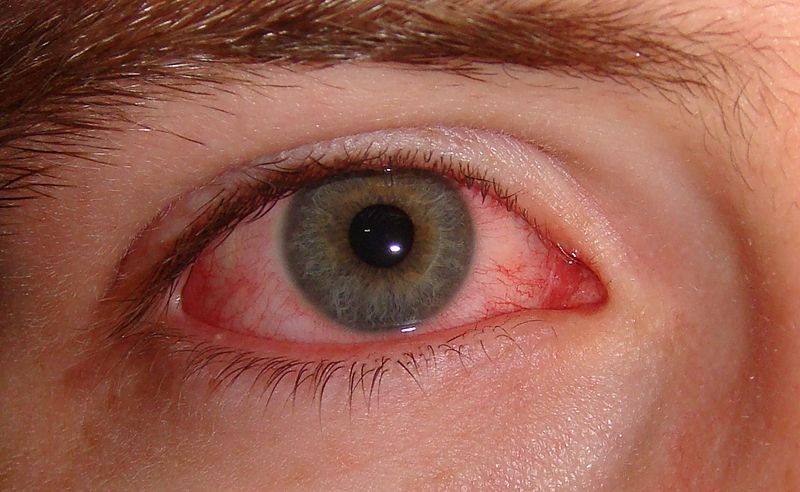
Sjögren’s syndrome is another autoimmune disease where the immune system attacks moisture-producing glands. This results in dry eyes and dry mouth.
Many patients with Sjögren’s syndrome test positive for rheumatoid factor. That’s why doctors may include RF testing as part of a broader autoimmune screening.
3. Lupus and Other Autoimmune Disorders
Conditions like systemic lupus erythematosus (SLE), mixed connective tissue disease, and other autoimmune disorders may also show elevated RF levels.
While RF alone cannot confirm lupus, it contributes to the overall diagnostic picture.
4. Chronic Infections and Other Conditions
Sometimes, elevated rheumatoid factor levels are found in:
- Chronic infections
- Liver diseases
- Certain cancers
- Older adults without autoimmune disease
This is why interpretation must always be done by a qualified doctor after testing at a reliable diagnostic centre in narsingi
How Does the RF Test Work?
The Rheumatoid Factor test requires a simple blood sample. Here’s how it works:
- A healthcare professional collects a blood sample from a vein in your arm.
- The sample is sent to a laboratory for analysis.
- The lab measures the level of rheumatoid factor antibodies.
- Results are usually available within 24–48 hours.
Getting tested at a certified diagnostic centre in narsingi ensures standardized laboratory procedures and accurate reporting.
Who Should Take the Rheumatoid Factor Test?
Your doctor may recommend this test if you experience:
- Persistent joint swelling
- Pain in multiple joints
- Warmth or redness in joints
- Morning stiffness
- Unexplained fatigue
- Symptoms lasting more than six weeks
People with a family history of autoimmune diseases may also benefit from early screening at a professional diagnostic centre in narsingi.
How to Prepare for the RF Test
One of the advantages of the RF test is that it requires minimal preparation.
- Fasting is usually not required.
- Inform your doctor about medications you’re taking.
- Stay hydrated before your appointment.
Always follow specific instructions given by your healthcare provider or the diagnostic centre in narsingi where you schedule your test.
Understanding Rheumatoid Factor Test Results
RF test results are measured in IU/mL (International Units per milliliter).
Normal Range
Typically, a normal result is below 14 IU/mL (this may vary slightly depending on the laboratory).
Positive Result
A higher-than-normal level may indicate:
- Rheumatoid arthritis
- Sjögren’s syndrome
- Lupus
- Other autoimmune disorders
However, a positive RF test does not automatically mean you have rheumatoid arthritis. Some healthy individuals may test positive, especially older adults.
Negative Result
A negative result does not completely rule out rheumatoid arthritis. Some patients with RA (especially early-stage RA) may have normal RF levels. This condition is called seronegative rheumatoid arthritis.
Accurate testing and professional interpretation at a dependable diagnostic centre in narsingi help avoid misdiagnosis.
RF Test vs. Anti-CCP Test: What’s the Difference?
Doctors often order both RF and Anti-CCP tests.
- RF Test detects rheumatoid factor antibodies.
- Anti-CCP Test detects antibodies more specific to rheumatoid arthritis.
Anti-CCP is generally more specific for RA, but RF remains an important screening tool. Many specialists recommend both tests together for better accuracy.
Why Early Detection Is Important
Early diagnosis of autoimmune diseases can:
- Prevent permanent joint damage
- Reduce pain and inflammation
- Improve quality of life
- Lower risk of disability
- Enable early treatment with disease-modifying drugs
Getting timely testing at a trusted diagnostic centre in narsingi can make a significant difference in long-term health outcomes.
Risks and Safety of the RF Test
The RF test is a routine blood test and carries minimal risk. You may experience:
- Mild pain at the needle site
- Slight bruising
- Rare dizziness
These effects are temporary and resolve quickly.
When to Consult a Doctor After Testing
Seek medical advice if:
- Your RF result is elevated
- Joint pain worsens
- You develop new symptoms
- Inflammation persists
Your doctor may recommend additional imaging tests such as X-rays, MRI, or ultrasound to evaluate joint damage.
Choosing the Right Diagnostic Centre
When selecting a lab for your RF test, consider:
- NABL accreditation or certified lab standards
- Experienced technicians
- Quick turnaround time
- Hygienic sample collection
- Clear and detailed reports
A reputable diagnostic centre in narsingi provides reliable services and ensures accurate diagnostic results, giving you confidence in your healthcare decisions.
Frequently Asked Questions
Is the RF test painful?
No. It involves only a routine blood draw.
Can children take the RF test?
Yes, if recommended by a pediatrician.
How long does it take to get results?
Typically 1–2 days.
Can RF levels fluctuate?
Yes. Levels may change depending on disease activity or treatment.
Rheumatoid Factor Test: A Complete Guide to Diagnosis and Early Detection
Joint pain that doesn’t go away, swelling in the fingers, or stiffness in the morning can sometimes signal more than simple fatigue or aging. In many cases, these symptoms may point toward autoimmune conditions such as rheumatoid arthritis. One of the first investigations doctors recommend in such cases is the Rheumatoid Factor (RF) Test. If you are experiencing persistent joint discomfort, visiting a trusted diagnostic centre in narsingi for timely testing can help detect potential issues early and guide proper treatment.
This comprehensive guide explains what the Rheumatoid Factor test detects, why it is important, how it is performed, and what your results may indicate.
Understanding Rheumatoid Factor
Rheumatoid Factor (RF) is an antibody produced by the immune system. Normally, antibodies protect the body from infections and harmful invaders. However, in autoimmune diseases, the immune system mistakenly attacks healthy tissues. RF antibodies target healthy cells, particularly the lining of joints.
The RF test measures the level of these antibodies in your blood. Elevated levels can indicate autoimmune conditions, most commonly rheumatoid arthritis.
When symptoms such as joint swelling or chronic inflammation appear, doctors often refer patients to a reliable diagnostic centre in narsingi for accurate blood testing and evaluation.
What Does the Rheumatoid Factor Test Detect?
The RF test primarily helps identify autoimmune disorders. While it is strongly associated with rheumatoid arthritis, it can also detect other health conditions.
Rheumatoid Arthritis (RA)
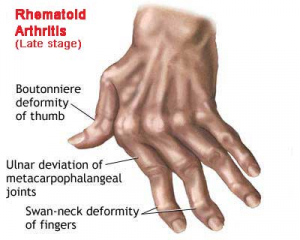

Rheumatoid arthritis is a chronic autoimmune disease that causes inflammation in the joints. It often affects both sides of the body symmetrically — for example, both wrists or both knees.
Common symptoms include:
- Persistent joint pain
- Swelling and redness
- Warm joints
- Morning stiffness lasting more than 30 minutes
- Fatigue
An elevated RF level supports the diagnosis of RA, especially when combined with clinical symptoms and additional tests like Anti-CCP. Early detection at a dependable diagnostic centre in narsingi can help prevent long-term joint damage.
Sjögren’s Syndrome
Sjögren’s syndrome is another autoimmune condition where the immune system attacks glands that produce moisture. This leads to dry eyes and dry mouth.
Many individuals with Sjögren’s syndrome have positive RF test results. Doctors may order this test to confirm suspicions of autoimmune involvement.
Systemic Lupus Erythematosus (Lupus)
Systemic lupus erythematosus (SLE) is a complex autoimmune disease that can affect skin, joints, kidneys, and other organs. While RF is not specific to lupus, elevated levels may appear in some patients.
Doctors use RF as part of a broader diagnostic panel to evaluate autoimmune disorders.
Other Conditions
Elevated Rheumatoid Factor levels may also be seen in:
- Chronic infections
- Liver diseases
- Certain inflammatory lung conditions
- Some cancers
- Healthy elderly individuals
Because RF can be elevated in different conditions, proper interpretation by healthcare professionals at a certified diagnostic centre in narsingi is essential.
How the RF Test Is Performed
The Rheumatoid Factor test is simple and quick.
- A healthcare professional draws a small blood sample from a vein in your arm.
- The sample is sent to the laboratory for analysis.
- RF levels are measured and reported in IU/mL (International Units per milliliter).
Most patients receive their results within 24–48 hours, depending on the lab’s processing time. Choosing a reputable diagnostic centre in narsingi ensures reliable lab standards and timely reporting.
Who Should Consider an RF Test?
Doctors typically recommend the RF test if you experience:
- Ongoing joint pain
- Swelling in small joints (hands, wrists, feet)
- Morning stiffness
- Unexplained fatigue
- Low-grade fever
- Family history of autoimmune diseases
If these symptoms persist for more than six weeks, it’s important to consult a physician and undergo testing at a trusted diagnostic centre in narsingi.
Preparation for the Rheumatoid Factor Test
The RF test requires minimal preparation.
- Fasting is usually not required.
- Inform your doctor about current medications.
- Stay relaxed during the procedure.
Always follow specific guidelines provided by your healthcare provider or the diagnostic centre in narsingi where the test is conducted.
Interpreting RF Test Results
Understanding your RF results requires medical guidance.
Normal Result
Most laboratories consider RF levels below 14 IU/mL as normal (this range may vary slightly).
Elevated Result
Higher-than-normal RF levels may indicate:
- Rheumatoid arthritis
- Sjögren’s syndrome
- Lupus
- Other autoimmune disorders
However, a positive RF result alone does not confirm rheumatoid arthritis. Doctors usually consider additional tests and clinical findings before making a diagnosis.
Negative Result
A negative RF test does not completely rule out rheumatoid arthritis. Some patients have “seronegative rheumatoid arthritis,” where RF levels remain normal despite the disease being present.
This highlights the importance of comprehensive evaluation at a professional diagnostic centre in narsingi
RF Test vs. Anti-CCP Test
Doctors often order both RF and Anti-CCP tests together.
- RF test detects general rheumatoid factor antibodies.
- Anti-CCP test is more specific for rheumatoid arthritis.
When both tests are positive, the likelihood of rheumatoid arthritis increases significantly.
Importance of Early Diagnosis
Early detection of autoimmune diseases offers several benefits:
- Prevents irreversible joint damage
- Reduces chronic pain
- Improves treatment outcomes
- Enhances mobility and daily functioning
- Lowers long-term complications
Timely testing at an established diagnostic centre in narsingi ensures early intervention and better disease management.
Risks Associated with the RF Test
The RF test is a routine blood test and is considered very safe.
Possible minor side effects include:
- Mild pain at the needle site
- Slight bruising
- Temporary dizziness
These symptoms usually resolve quickly and do not require medical attention.
When to See a Specialist
If your RF levels are elevated, your doctor may refer you to a rheumatologist for further evaluation. Additional tests such as:
- ESR (Erythrocyte Sedimentation Rate)
- CRP (C-Reactive Protein)
- Anti-CCP antibodies
- X-rays or MRI
may be recommended to assess inflammation and joint health.
A well-equipped diagnostic centre in narsingi can assist with these complementary tests for a complete evaluation.
Choosing the Right Diagnostic Facility
Selecting the right laboratory is crucial for accurate results. Look for:
- Certified and accredited labs
- Advanced diagnostic equipment
- Experienced lab technicians
- Hygienic sample collection practices
- Transparent pricing and clear reports
A reputable diagnostic centre in narsingi provides comprehensive diagnostic services with precision and reliability.
Frequently Asked Questions
Is the Rheumatoid Factor test painful?
It involves only a standard blood draw and causes minimal discomfort.
How long does it take to get results?
Usually within 1–2 days.
Can RF levels decrease with treatment?
Yes. In some cases, effective treatment may reduce RF levels over time.
Should I repeat the RF test?
Your doctor may recommend repeat testing to monitor disease progression or treatment response.
Rheumatoid Factor Test: What It Detects and Why It’s Important for Your Health
Joint pain that lingers, stiffness in the morning, and unexplained swelling can interfere with daily life and reduce mobility. When these symptoms persist, doctors often recommend a Rheumatoid Factor (RF) Test to evaluate possible autoimmune conditions. If you are experiencing such symptoms, visiting a reliable diagnostic centre in narsingi for timely testing can help detect underlying problems early and support effective treatment.
In this detailed guide, we’ll explore what the Rheumatoid Factor test detects, how it works, who needs it, and how to interpret the results.
What Is a Rheumatoid Factor Test?
The Rheumatoid Factor test is a blood test used to measure the level of rheumatoid factor antibodies in the bloodstream. Rheumatoid factor is an autoantibody — a protein produced by the immune system that mistakenly attacks the body’s own healthy tissues.
In a healthy immune system, antibodies fight infections. However, in autoimmune diseases, the immune system becomes overactive and targets normal cells, particularly in the joints. The RF test helps doctors determine whether autoimmune activity may be present.
If you have ongoing joint discomfort, your doctor may refer you to a trusted diagnostic centre in narsingi for this simple yet important blood test.
What Does the Rheumatoid Factor Test Detect?
The RF test is primarily associated with autoimmune disorders. While it is commonly linked to rheumatoid arthritis, it can also indicate several other medical conditions.
Rheumatoid Arthritis (RA)

Rheumatoid arthritis is a chronic inflammatory disorder that mainly affects the joints. It typically impacts small joints first, such as those in the fingers and wrists, and can progress to larger joints over time.
Common symptoms include:
- Persistent joint pain
- Swelling and tenderness
- Warmth around joints
- Morning stiffness lasting more than 30 minutes
- Fatigue
An elevated RF level supports the diagnosis of rheumatoid arthritis, especially when symptoms are present. Early testing at a certified diagnostic centre in narsingi can help prevent permanent joint damage by enabling early treatment.
Sjögren’s Syndrome


Sjögren’s syndrome is an autoimmune condition where the immune system attacks glands responsible for producing moisture. This leads to chronic dry eyes and dry mouth.
Many patients with Sjögren’s syndrome have elevated rheumatoid factor levels. Therefore, doctors may order the RF test as part of a broader autoimmune screening.
Systemic Lupus Erythematosus (Lupus)
Systemic lupus erythematosus (SLE) is another autoimmune disease that can affect multiple organs, including the skin, joints, kidneys, and heart. Although the RF test is not specific for lupus, some patients may show elevated levels.
Doctors use RF testing along with other laboratory tests to build a clearer diagnostic picture.
Other Conditions Linked to Elevated RF
Elevated rheumatoid factor levels may also be detected in:
- Chronic infections
- Liver disease
- Tuberculosis
- Certain lung diseases
- Some cancers
- Older adults without autoimmune disease
Because RF levels can rise in various conditions, proper evaluation at a reputable diagnostic centre in narsingi is crucial for accurate interpretation.
How the Rheumatoid Factor Test Is Performed
The RF test is a straightforward blood test.
- A small blood sample is collected from a vein in your arm.
- The sample is sent to the laboratory for analysis.
- The amount of rheumatoid factor is measured and reported in IU/mL (International Units per milliliter).
Results are typically available within 24–48 hours. Choosing a professional diagnostic centre in narsingi ensures accurate laboratory procedures and timely reporting.
Who Should Take the RF Test?
Your doctor may recommend the RF test if you experience:
- Joint pain lasting more than six weeks
- Swelling in multiple joints
- Symmetrical joint involvement
- Persistent morning stiffness
- Chronic fatigue
- Family history of autoimmune disorders
If these symptoms interfere with daily activities, scheduling an appointment at a trusted diagnostic centre in narsingi can be an important first step.
Preparation for the RF Test
The Rheumatoid Factor test requires minimal preparation.
- Fasting is usually not necessary.
- Inform your doctor about any medications.
- Stay hydrated before the test.
Always follow any instructions provided by your healthcare provider or the diagnostic centre in narsingi
Understanding RF Test Results
Interpreting RF results requires medical expertise in diagnostic centre in narsingi
Normal Range
Most laboratories consider RF levels below 14 IU/mL as normal. However, reference ranges may vary slightly between labs.
Positive Result
Higher-than-normal RF levels may suggest:
- Rheumatoid arthritis
- Sjögren’s syndrome
- Lupus
- Other autoimmune disorders
A positive RF test does not confirm a specific disease on its own. Doctors consider symptoms, physical examination, and additional lab tests before making a diagnosis.
Negative Result
A negative RF result does not rule out rheumatoid arthritis. Some individuals have “seronegative” rheumatoid arthritis, meaning they have normal RF levels despite having the disease.
This is why comprehensive evaluation at an experienced diagnostic centre in narsingi is important.
RF Test and Anti-CCP Test: What’s the Difference?
Doctors often order the RF test alongside the Anti-Cyclic Citrullinated Peptide (Anti-CCP) test.
- The RF test detects rheumatoid factor antibodies.
- The Anti-CCP test is more specific for rheumatoid arthritis.
When both tests are positive, the likelihood of rheumatoid arthritis increases significantly. Together, they improve diagnostic accuracy.
Why Early Detection Matters
Early diagnosis of autoimmune diseases offers significant benefits:
- Prevents joint deformities
- Reduces inflammation and pain
- Improves long-term mobility
- Slows disease progression
- Enhances quality of life
Timely testing at a reliable diagnostic centre in narsingi can lead to earlier treatment and better health outcomes.
Is the RF Test Safe?
Yes. The RF test is safe and commonly performed.
Possible minor side effects include:
- Mild pain at the needle site
- Small bruise
- Temporary lightheadedness
These symptoms typically resolve quickly.
When to Consult a Specialist
If your RF levels are elevated, your doctor may refer you to a rheumatologist for further evaluation. Additional tests may include:
- ESR (Erythrocyte Sedimentation Rate)
- CRP (C-Reactive Protein)
- Anti-CCP antibodies
- X-rays or MRI scans
A well-equipped diagnostic centre in narsingi can provide these complementary diagnostic services for comprehensive assessment.
Choosing the Right Diagnostic Facility
Accurate testing depends on the quality of the laboratory. When selecting a testing facility, consider:
- Certified and accredited labs
- Experienced laboratory professionals
- Advanced testing equipment
- Clear and detailed reporting
- Hygienic sample collection procedures
A reputable diagnostic centre in narsingi ensures precise results and dependable service.
Frequently Asked Questions
How long does the test take?
The blood collection takes only a few minutes at a trusted diagnostic centre in narsigi, and the entire process is quick and convenient.
Can RF levels change over time?
Yes. RF levels may fluctuate depending on disease activity and treatment response, which is why periodic testing at a reliable diagnostic centre in narsigi can help monitor your condition accurately.
Can healthy individuals have positive RF?
Yes. Some older adults may have mildly elevated RF levels without having an autoimmune disease.
Should I repeat the RF test?
Your doctor may recommend repeat testing to monitor disease progression and treatment effectiveness.
Final Thoughts
The Rheumatoid Factor test is a valuable diagnostic tool for identifying autoimmune conditions, especially rheumatoid arthritis. While it does not provide a standalone diagnosis, it offers critical insights when combined with symptoms and additional investigations.
If you are experiencing ongoing joint pain, stiffness, or unexplained inflammation, don’t delay evaluation. Visiting a trusted diagnostic centre in narsingi for timely RF testing can help detect potential issues early and support effective treatment planning.
Taking proactive steps today can protect your joint health and improve your overall quality of life for years to come.
Contact Us:
Call us on : 093910 29909
Follow Us On Instagram : https://www.instagram.com/dvrhospital/
Follow Us On Facebook : https://www.facebook.com/people/DVR-Hospital-Diagnostics/61580485479021