
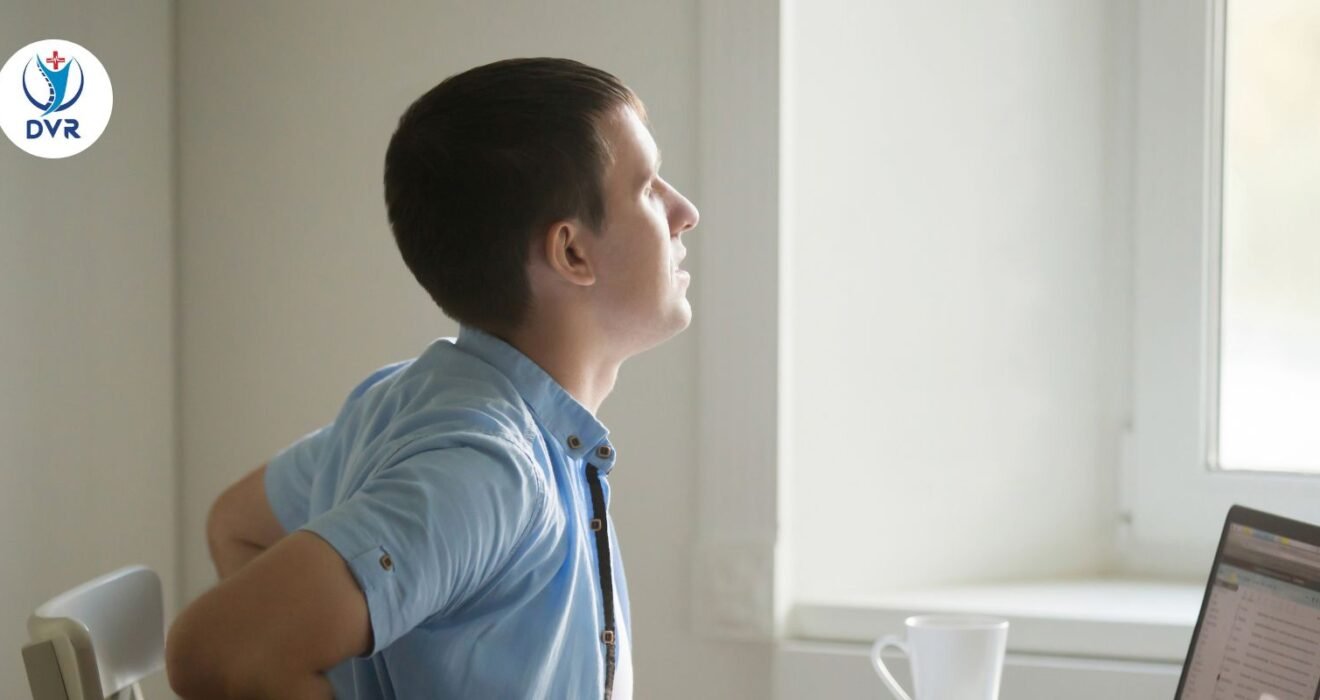
Back Pain from Sitting Too Long – Prevention Tips for a Healthy Spine
Introduction
In today’s lifestyle, many people spend 6–10 hours sitting at desks, working on computers, attending online meetings, or using mobile devices. Prolonged sitting can put extra pressure on the spine, leading to stiffness, muscle weakness, and chronic back pain.
If you frequently experience lower back pain after sitting for long hours, it may be a sign that your posture, daily habits, or spinal health need attention. Searching for orthopeadics near me can help you connect with specialists who can identify the cause of your pain and provide the right treatment plan.
Why Does Sitting Too Long Cause Back Pain?
Sitting for extended periods keeps your spine in a fixed position for a long time. When your posture is incorrect, the muscles around your back and neck have to work harder to support your body.
Common reasons why prolonged sitting causes back pain include:
- Poor sitting posture
- Slouching or bending forward while working
- Lack of movement and stretching
- Weak core muscles
- Improper chair height or support
- Increased pressure on spinal discs
Over time, these habits can contribute to muscle strain, stiffness, and discomfort that affects your daily activities.
Common Symptoms of Back Pain Due to Long Sitting
People with sitting-related back pain may experience:
- Dull or aching pain in the lower back
- Stiffness after getting up from a chair
- Pain spreading to hips or legs
- Difficulty bending or standing for long periods
- Muscle tightness around the spine
- Reduced flexibility
If your pain continues despite lifestyle changes, consulting orthopeadics near me can help you get an accurate diagnosis and prevent the condition from becoming severe.
Orthopeadics Near Me: When Should You Consult a Specialist for Sitting-Related Back Pain?
Many people ignore back pain assuming it will improve on its own. However, professional evaluation is important when:
- Pain lasts for more than a few weeks
- Pain becomes severe or frequent
- You experience numbness or tingling sensations
- Pain affects your work or sleep
- You have difficulty walking or performing daily activities
If you’re searching for orthopeadics near me, an experienced orthopedic specialist can evaluate your spine health, identify the underlying problem, and recommend the most appropriate treatment, including physiotherapy, exercises, medication, or advanced care when needed.
Prevention Tips to Avoid Back Pain from Sitting Too Long
1. Maintain Proper Sitting Posture
Your sitting position plays a major role in preventing back pain.
Follow these posture tips:
- Keep your back straight and supported
- Keep your shoulders relaxed
- Place your feet flat on the floor
- Avoid leaning forward for long periods
- Keep your computer screen at eye level
A good posture reduces unnecessary stress on your spine. If you experience persistent back discomfort despite maintaining proper posture, consult orthopeadics near me for an accurate diagnosis and expert treatment.
2. Take Regular Movement Breaks
Sitting continuously for hours can increase stiffness. Try to:
- Stand up every 30–60 minutes
- Walk for a few minutes
- Perform simple stretches
- Change your sitting position regularly
Small movements throughout the day can significantly improve spinal health.
3. Strengthen Your Core Muscles
Strong abdominal and back muscles provide better support to your spine.
Helpful exercises include:
- Planks
- Gentle yoga stretches
- Pelvic tilts
- Bridge exercises
Always perform exercises correctly to avoid additional strain.
4. Choose the Right Chair
An uncomfortable chair can worsen back problems.
Look for:
- Proper lower back support
- Adjustable height
- Comfortable cushioning
- Supportive armrests
A good workspace setup helps maintain healthy posture.
5. Stretch Your Back Regularly
Stretching helps reduce muscle tension caused by prolonged sitting. If the stiffness or pain persists, consult orthopeadics near me to receive expert advice on stretches and treatments that support long-term spine health.
Useful stretches include:
- Cat-cow stretch
- Child’s pose
- Hamstring stretches
- Lower back rotations
Regular stretching improves flexibility and reduces stiffness.
Orthopeadics Near Me: Treatment Options for Persistent Back Pain
If preventive measures do not improve your symptoms, orthopedic care may be needed. Depending on your condition, treatment options may include:
- Physical therapy
- Posture correction techniques
- Pain management
- Muscle strengthening programs
- Lifestyle modifications
- Advanced treatments for spinal conditions
A qualified orthopedic doctor can create a personalized treatment plan based on your symptoms and medical history.
How to Protect Your Spine While Working Long Hours
If you have a desk job, follow these simple habits:
✔ Adjust your chair and desk height
✔ Keep your monitor at eye level
✔ Avoid using laptops on your bed for long periods
✔ Stretch during work breaks
✔ Stay physically active outside work hours
✔ Maintain a healthy body weight
These small changes can reduce the risk of developing chronic back problems.
Back Pain After Sitting for Long Hours: Causes, Solutions, and When to See an Orthopedic Specialist
How Long Sitting Affects Your Spine Health
Your spine is designed to support movement, balance, and proper body posture. Sitting continuously for long hours, especially with poor posture, places excessive pressure on your spinal discs and supporting muscles. If this pain becomes frequent or keeps returning, searching for orthopeadics near me can help you find an experienced orthopedic specialist who can diagnose the underlying cause and recommend the right treatment before the condition worsens.
Some common effects of prolonged sitting include:
- Increased pressure on lower back discs
- Tight hip muscles
- Weak abdominal and back muscles
- Reduced blood circulation
- Poor spinal alignment
- Increased risk of chronic back problems
Many patients searching for orthopeadics near me report that their back pain started slowly with occasional stiffness but gradually became more frequent due to poor sitting habits.
Signs Your Sitting Habit Is Affecting Your Back
Back pain caused by sitting may not always appear suddenly. Your body often gives warning signs that should not be ignored.
Common symptoms include:
1. Morning Back Stiffness
If your lower back feels stiff after waking up or after sitting for a long time, it may indicate muscle tightness or spinal stress.
2. Pain After Working at a Desk
Many people experience discomfort after completing office work or spending hours on a computer. This usually happens due to poor posture and lack of movement.
3. Difficulty Standing After Sitting
Feeling pain or stiffness when getting up from a chair is a common sign that your back muscles need attention.
4. Pain Extending to Legs
Sometimes, sitting-related back pain may involve nerve irritation, causing pain, tingling, or numbness in the legs.
If these symptoms continue, consulting orthopeadics near me can help determine whether the issue is related to muscles, discs, nerves, or other spinal conditions.
Common Mistakes That Increase Back Pain While Sitting
Many people unknowingly follow habits that increase pressure on their spine.
1. Sitting With a Rounded Back
Slouching puts extra stress on your lower back and changes the natural curve of your spine.
Solution:
Keep your back supported, shoulders relaxed, and maintain a neutral sitting position.
2. Using a Laptop in the Wrong Position
Working on a laptop placed too low forces you to bend your neck and upper back.
Solution:
- Raise your laptop screen to eye level
- Use an external keyboard if possible
- Maintain proper sitting alignment
3. Sitting Without Breaks
Remaining seated continuously reduces muscle activity and increases stiffness.
Solution:
- Stand every 30–60 minutes
- Walk around for a few minutes
- Perform simple stretches
4. Ignoring Early Pain Symptoms
Many people wait until pain becomes severe before seeking medical advice.
Early attention from orthopeadics near me can help prevent minor issues from developing into serious spine problems.
Orthopeadics Near Me: How Specialists Diagnose Sitting-Related Back Pain
When you visit an orthopedic specialist, the doctor first understands your symptoms, lifestyle habits, and medical history.
Diagnosis may include:
Physical Examination
The doctor checks:
- Spine movement
- Muscle strength
- Flexibility
- Pain location
- Nerve function
Imaging Tests
Depending on symptoms, doctors may recommend:
- X-rays
- MRI scans
- Other diagnostic tests
These tests help identify problems such as:
- Disc-related issues
- Muscle injuries
- Spinal alignment problems
- Nerve compression
A proper diagnosis helps create an effective treatment plan instead of only managing symptoms temporarily.
Effective Treatment Options for Chronic Sitting-Related Back Pain
Treatment depends on the severity and cause of your condition. If you’re searching for orthopeadics near me, an experienced orthopedic specialist can recommend the most effective treatment based on your diagnosis.
Physiotherapy
Physiotherapy is one of the most common approaches for improving back pain. It focuses on:
- Strengthening spinal muscles
- Improving flexibility
- Correcting posture
- Reducing stiffness
A physiotherapist can design exercises according to your specific condition.
Exercise and Stretching Program
Regular movement helps improve spine stability.
Recommended activities may include:
- Walking
- Core strengthening exercises
- Gentle yoga
- Mobility exercises
However, exercises should be performed correctly to avoid worsening pain.
Medication for Pain Relief
In some cases, doctors may recommend medication to reduce inflammation and discomfort.
Medication should only be taken under professional guidance.
Lifestyle Modification
Long-term improvement requires changes in daily habits, including:
- Maintaining proper posture
- Staying physically active
- Managing body weight
- Improving workplace ergonomics
Daily Exercises to Reduce Back Pain From Sitting
Simple exercises can help reduce stiffness and improve strength.
Cat-Cow Stretch
This exercise improves spinal flexibility and reduces tension.
Child’s Pose
Helps relax lower back muscles and improve comfort.
Bridge Exercise
Strengthens lower back and core muscles.
Walking
Regular walking improves circulation and keeps the spine active.
Before starting any new exercise routine, especially if you have severe pain, consult an experienced orthopedic specialist. If you’re looking for expert care, search for orthopeadics near me to receive the right diagnosis and treatment plan.
Workplace Setup Tips for a Healthy Back
Creating an ergonomic workspace can significantly reduce back problems.
Follow these tips:
✔ Keep your chair height comfortable
✔ Support your lower back with proper cushioning
✔ Keep both feet flat on the floor
✔ Place your monitor at eye level
✔ Avoid leaning forward continuously
✔ Take regular movement breaks
These small adjustments can reduce daily stress on your spine.
Orthopeadics Near Me: When Back Pain Requires Immediate Medical Attention
Not all back pain is dangerous, but certain symptoms require medical evaluation.
Seek orthopedic advice if you experience:
- Severe or worsening pain
- Loss of bladder or bowel control
- Weakness in legs
- Persistent numbness or tingling
- Pain after an injury
- Difficulty performing daily activities
Early consultation with orthopeadics near me can help identify serious conditions and provide timely treatment.
How to Prevent Back Pain While Working From Home
Work-from-home setups often create hidden posture problems.
Follow these prevention steps:
Create a Dedicated Workspace
Avoid working from beds or sofas because they encourage poor posture.
Maintain Proper Screen Position
Your screen should be directly in front of your eyes.
Follow the 30-Minute Movement Rule
Avoid staying in one position for too long.
Stay Physically Active
Include walking, stretching, or exercise in your daily routine.
Why Does Back Pain Keep Returning After Sitting?
Many patients searching for orthopeadics near me notice that their back pain improves for a few days but returns after sitting for long hours. This usually happens because the root cause has not been properly diagnosed and treated.
Common reasons include:
- Weak core and back muscles
- Poor sitting habits
- Lack of regular physical activity
- Incorrect workstation setup
- Previous untreated injuries
- Spinal problems such as disc-related conditions
Temporary pain relief may not solve the underlying issue. A complete approach involving posture correction, strengthening exercises, and professional guidance is often needed for long-term improvement. If you’re searching for orthopeadics near me, an experienced orthopedic specialist can help diagnose the root cause and create an effective treatment plan.
Orthopeadics Near Me: Understanding Different Types of Sitting-Related Back Pain
Back pain is not the same for everyone. The location and type of pain can provide clues about the possible cause.
Lower Back Pain
This is the most common type of pain caused by prolonged sitting. It usually occurs due to increased pressure on the lumbar spine.
Symptoms may include:
- Aching pain in the lower back
- Tight muscles
- Difficulty standing after sitting
- Discomfort while bending
Upper Back and Neck Pain
Poor posture while using computers and mobile phones can affect the upper spine.
Common signs include:
- Shoulder stiffness
- Neck pain
- Headaches
- Muscle tension
Nerve-Related Pain
Sometimes, sitting for long periods can irritate spinal nerves.
Symptoms may include:
- Tingling sensations
- Numbness
- Shooting pain into legs
- Weakness
If you experience these symptoms, consulting orthopeadics near me can help determine whether nerve involvement or another spinal condition is causing your discomfort.
Long-Term Strategies to Prevent Back Pain
Preventing back pain requires consistent lifestyle changes rather than temporary solutions.
1. Follow a Daily Spine Care Routine
A healthy spine requires regular movement and proper support.
Include:
- Morning stretching
- Regular walking
- Strength exercises
- Good sitting posture
- Adequate rest
Small daily habits can significantly improve your spine health over time.
2. Improve Your Sitting Technique
Your sitting position directly affects your spine.
Follow these steps:
✔ Sit with your back fully supported
✔ Keep your shoulders relaxed
✔ Avoid crossing your legs for long periods
✔ Keep your feet flat on the floor
✔ Maintain a neutral spine position
Correct posture reduces unnecessary pressure on spinal structures.
3. Build Strong Core Muscles
Your core muscles act as support for your spine. Weak muscles can increase stress on your lower back.
Helpful exercises include:
- Planks
- Bird-dog exercises
- Bridges
- Gentle abdominal strengthening exercises
A strong core improves stability and reduces the risk of recurring back pain.
Orthopeadics Near Me: When Home Remedies Are Not Enough
Many people try heat therapy, stretching, or pain medication at home. While these methods may provide temporary relief, they often do not address the underlying cause. If your symptoms persist, searching for orthopeadics near me can help you find an orthopedic specialist for an accurate diagnosis and effective treatme
Professional orthopedic consultation is recommended when:
- Pain continues for several weeks
- Pain keeps returning frequently
- Daily activities become difficult
- Pain spreads to arms or legs
- You experience weakness or numbness
If you are searching for orthopeadics near me, an orthopedic specialist can identify whether your problem is related to muscles, joints, discs, or nerves and recommend the most appropriate treatment.
The Role of Physiotherapy in Back Pain Recovery
Physiotherapy plays an important role in managing sitting-related back pain.
A physiotherapist may recommend:
Posture Training
You learn correct sitting, standing, and movement techniques.
Strengthening Exercises
Specific exercises help improve muscle support around your spine.
Flexibility Training
Stretching reduces stiffness and improves movement.
Pain Management Techniques
Therapies may help reduce discomfort and improve daily function.
A customized physiotherapy plan can help patients return to normal activities safely. If you’re searching for orthopeadics near me, an orthopedic specialist can create a personalized rehabilitation plan for faster recovery and long-term relief.
How Stress and Lifestyle Affect Back Pain
Back pain is not only related to physical factors. Stress, poor sleep, and unhealthy habits can also increase muscle tension.
Factors that may worsen pain include:
- Lack of sleep
- High stress levels
- Reduced physical activity
- Poor nutrition
- Weight gain
Maintaining a balanced lifestyle supports better recovery and prevents repeated episodes of pain.
Foods and Habits That Support Spine Health
Good nutrition helps maintain strong bones and muscles.
Include:
Calcium-Rich Foods
Examples:
- Milk
- Yogurt
- Green leafy vegetables
Protein-Rich Foods
Protein supports muscle repair and strength.
Examples:
- Eggs
- Pulses
- Fish
- Lean meats
Stay Hydrated
Proper hydration supports healthy spinal discs and overall body function.
Along with diet, maintaining regular movement is essential for spine health.
Workplace Changes That Can Reduce Back Problems
Your work environment plays an important role in preventing back pain.
Make these adjustments:
Adjust Your Chair
Choose a chair that supports your lower back.
Position Your Screen Correctly
Your monitor should be at eye level to avoid bending your neck.
Keep Essential Items Nearby
Avoid repeatedly twisting or reaching while working.
Take Active Breaks
Short walking breaks help prevent stiffness.
These changes are especially useful for people with desk-based jobs.
Orthopeadics Near Me: Treatment Options for Severe or Persistent Back Pain
When lifestyle changes do not provide enough relief, medical treatment may be required.
Depending on your condition, treatment options may include:
Medication
Doctors may prescribe medicines to reduce pain and inflammation.
Physical Therapy
Helps restore movement, strength, and flexibility.
Injections
In some cases, targeted injections may be recommended for pain management.
Surgical Treatment
Surgery is considered only in specific conditions where other treatments do not provide improvement.
A detailed evaluation by orthopeadics near me helps determine the most suitable treatment option.
How Sitting Too Long Changes Your Spine Health
Your spine is naturally designed for movement. When you sit for extended periods, especially with poor posture, your muscles and spinal structures experience extra stress. If this discomfort becomes frequent, searching for orthopeadics near me can help you connect with an experienced orthopedic specialist who can identify the root cause and prevent long-term spine problems.
Long sitting can lead to:
- Reduced flexibility of back muscles
- Increased pressure on spinal discs
- Weak core muscles
- Tight hip joints
- Poor body alignment
- Increased risk of recurring back pain
Many people searching for orthopeadics near me experience similar concerns because their daily routine involves long hours of sitting without enough physical activity.
Common Reasons Why Back Pain Does Not Improve
Some patients continue to experience pain even after making small lifestyle changes. This can happen due to several reasons:
1. Incorrect Diagnosis
Back pain can develop from different causes, including:
- Muscle strain
- Disc problems
- Nerve irritation
- Joint-related issues
- Posture-related stress
Identifying the correct cause is important for effective treatment.
2. Inconsistent Exercise Routine
Occasional stretching may provide temporary relief, but long-term improvement requires regular strengthening and mobility exercises.
3. Ignoring Body Signals
Many people continue working despite pain, stiffness, or numbness. Ignoring these symptoms can worsen the condition over time.
A professional evaluation from orthopeadics near me can help identify the underlying problem and prevent further complications.
Orthopeadics Near Me: Advanced Ways to Manage Back Pain From Sitting
Managing sitting-related back pain requires a combination of correct habits, physical activity, and medical guidance when required.
Maintain a Spine-Friendly Daily Routine
A healthy routine should include:
- Regular walking
- Stretching exercises
- Strength training
- Proper sleep
- Balanced nutrition
Consistency is the key to improving spine health.
Best Exercises to Support Your Spine
Exercise helps strengthen the muscles that support your back and improves flexibility. For the right exercise plan, consult orthopeadics near me to avoid worsening your condition.
1. Core Strengthening Exercises
Strong core muscles reduce pressure on the lower back.
Helpful exercises include:
- Planks
- Bridges
- Bird-dog exercises
2. Mobility Exercises
These exercises improve movement and reduce stiffness.
Examples:
- Cat-cow stretch
- Hip stretches
- Lower back rotations
3. Low-Impact Activities
Activities like walking and swimming can improve overall fitness without putting excessive stress on your spine.
Always perform exercises correctly, especially if you already have pain.
How to Improve Your Sitting Habits for Long-Term Relief
Small changes in your sitting style can make a major difference.
Keep Your Spine Neutral
Avoid:
- Slouching
- Leaning forward continuously
- Sitting in the same position for many hours
Instead:
✔ Keep your back supported
✔ Relax your shoulders
✔ Keep your feet flat
✔ Maintain proper screen height
Follow the Movement Break Rule
Do not wait until your body feels stiff.
Try:
- Standing every 30–45 minutes
- Walking briefly
- Stretching your back and legs
Regular movement keeps your muscles active and reduces stiffness.
Orthopeadics Near Me: When Physiotherapy Can Help Your Back Pain
Physiotherapy is often recommended for people experiencing long-term back discomfort due to sitting habits.
A physiotherapist can help with:
Posture Correction
Learning correct sitting and movement techniques reduces unnecessary spinal stress.
Muscle Strengthening
Targeted exercises improve support around your spine.
Flexibility Improvement
Stretching techniques improve range of motion and reduce stiffness.
Pain Management
Different therapies may help reduce discomfort and improve daily function.
For patients searching for orthopeadics near me, combining orthopedic advice with physiotherapy can provide better recovery results.
Lifestyle Changes That Protect Your Spine
Your daily lifestyle plays a major role in preventing back problems.
Maintain a Healthy Weight
Extra body weight can increase pressure on your spine and joints.
Improve Sleeping Position
A supportive mattress and comfortable sleeping posture can reduce morning stiffness.
Stay Hydrated
Adequate hydration supports overall body function and spinal health.
Reduce Stress
High stress levels can increase muscle tension and make pain feel worse.
Workplace Ergonomics: Protect Your Back During Long Hours with Orthopeadics Near Me
A proper workstation setup is essential for people with desk jobs.
Follow these tips:
Chair Position
Choose a chair that provides lower back support.
Desk Height
Your arms should rest comfortably while typing.
Screen Placement
Keep your monitor at eye level to avoid neck and upper back strain.
Keyboard and Mouse Position
Keep them close enough to avoid unnecessary reaching.
These adjustments reduce daily stress on your spine.
Warning Signs That Need Medical Attention
Most mild back pain improves with lifestyle changes. However, certain symptoms should not be ignored.
Consult a specialist if you experience:
- Severe back pain
- Pain lasting more than a few weeks
- Numbness or tingling
- Weakness in arms or legs
- Difficulty walking
- Pain affecting sleep
Getting timely advice from orthopeadics near me can help prevent minor issues from becoming serious conditions.
How Orthopedic Specialists Help With Chronic Back Pain
An orthopedic doctor focuses on diagnosing and treating problems related to bones, joints, muscles, and the spine.
Treatment may include:
- Physical examination
- Imaging tests if required
- Exercise recommendations
- Medication guidance
- Physiotherapy plans
- Advanced treatment options when needed
The goal is not only reducing pain but improving mobility and quality of life.
Common Questions Patients Ask About Sitting-Related Back Pain
Can sitting too much cause permanent back damage?
Long-term poor posture and inactivity can increase the risk of chronic back problems. Early prevention and proper care can reduce complications.
How can I reduce back pain while working?
Maintain proper posture, adjust your workstation, take movement breaks, and perform regular stretching exercises.
Should I avoid sitting completely if I have back pain?
No. Complete avoidance of sitting is usually not required. The goal is to maintain proper posture and balance sitting time with regular movement. If you continue to experience discomfort, consult orthopeadics near me for expert guidance and a personalized treatment plan.
When should I visit an orthopedic doctor?
If your pain is severe, persistent, or accompanied by numbness, weakness, or difficulty walking, don’t ignore the symptoms. Search for orthopeadics near me and consult an experienced orthopedic specialist for an accurate diagnosis and timely treatment.
Searching for orthopeadics near me can help you find professional guidance for your condition.
CONTACT US:
Book Your CT Scan Today at DVR Diagnostics and Ortho Centre
Looking for a reliable and advanced diagnostic center? Get accurate imaging, expert care, and fast reports at DVR Diagnostics and Ortho Centre. Whether you need preventive screening or detailed diagnostic support, our experienced team is here to help.
📞 Call Now: 09391029909
📧 Email: Dvrdiagnostics@gmail.com
📍 Address: 1-83/A, Manchirevula, Narsingi, Hyderabad, Telangana, India
📸 Follow Us on Instagram: https://www.instagram.com/dvrhospital/

